Operating a successful fitness center requires keeping your equipment in top condition. When a machine breaks down, you risk frustrating your members and losing revenue. Fitness facilities across the state experience heavy daily use, which leads to predictable wear and tear. Understanding the most frequent equipment failures helps you anticipate problems before they disrupt your business. Partnering with professional gym repair services NJ ensures your facility remains safe and fully operational.
Common Gym Equipment Breakdowns
Heavy foot traffic and intense workouts put immense stress on commercial fitness equipment. We see three main issues dominate service calls across the region.
Treadmill Breakdowns
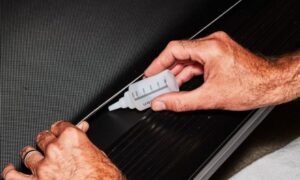
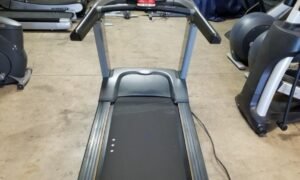
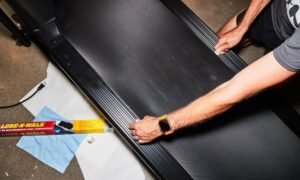
Treadmills take a massive beating every day. The most frequent issues involve worn walking belts and failing drive motors. When belts lose their lubrication or accumulate dirt, friction increases. This extra friction forces the motor and control board to work harder, eventually leading to overheating and electrical failures. Regular belt replacements and sensor calibrations are the most common fixes.
Cable Machine Wear
Strength training areas see constant action, and cable machines bear the brunt of it. Frayed cables pose a significant safety risk to your members. Pulleys often crack or lose their bearings, causing a jerky, uneven range of motion. Routine inspections usually catch frayed sheathing before a cable completely snaps during a workout.
Elliptical Resistance Failure
Ellipticals provide low-impact cardio, but their internal mechanisms are highly complex. Resistance failure is the top complaint for these machines. This usually happens when the magnetic resistance motor jams or the lower control board fails. Sweat corrosion on the console and internal wiring also frequently disrupts the machine’s ability to adjust tension.
Regional Insights: New Jersey Gyms
New Jersey presents unique environmental and demographic factors that impact gym equipment. The state has a high population density, meaning facilities in areas like Hoboken, Jersey City, and Newark experience exceptional daily usage rates. High traffic accelerates the wear on motor brushes and upholstery.
Additionally, gyms located near the Jersey Shore face higher ambient humidity. Salt air and moisture accelerate rust and corrosion on exposed metal parts, guide rods, and internal electronics. Proper climate control and aggressive wipe-down protocols are essential for facilities in these coastal counties.
Seasonal Breakdown Trends
Equipment usage fluctuates throughout the year, and repair requests follow a distinct seasonal pattern.
- The Winter Surge: January brings the highest influx of new gym memberships. By late February and early March, service calls peak. The sudden spike in continuous daily use quickly exposes aging treadmill belts and weak elliptical motors.
- The Summer Shift: During the summer, overall gym attendance drops as people exercise outdoors. However, higher indoor temperatures and humidity levels can cause electronic consoles to overheat if the facility’s air conditioning struggles to keep up.
- Pre-Fall Prep: Late August sees a rise in preventive service calls as gym owners prepare for the back-to-school and fall fitness rush.
The Importance of Preventive Maintenance
Waiting for a machine to break costs more than keeping it maintained. Preventive maintenance is the foundation of a profitable fitness center. Routine servicing extends the lifespan of expensive cardio units by years. It also lowers your liability by ensuring all safety stops, cables, and structural bolts are secure. Consistently maintained equipment operates smoothly, reducing friction and drawing less electricity. Most importantly, fully functioning equipment keeps your members happy and prevents them from canceling their memberships.
Expert Analysis of Repair Frequency
Industry data provides a clear picture of how often specific machines need professional attention.
Cardio equipment requires the most frequent servicing. High-use treadmills and stair climbers typically need professional diagnosis every three to four months to check motor brushes, belt tension, and electronic diagnostics. Ellipticals and stationary bikes generally require attention every six months.
Strength equipment has a lower repair frequency but higher liability if ignored. Pin-loaded machines and cable crossovers need thorough inspections every six months to replace worn pulleys, lubricate guide rods, and swap out cables showing early signs of fraying. Free weight benches mostly require annual upholstery replacement due to regular use and sweat degradation.
Frequently Asked Questions
How quickly can a technician respond to a broken treadmill?
Most local repair teams can dispatch a technician within 24 to 48 hours for emergency diagnostics. Having a preventive maintenance contract often guarantees faster priority service.
Can my staff perform basic equipment maintenance?
Yes. Your staff should handle daily wipe-downs, visual cable inspections, and basic lubrication. However, you should leave motor diagnostics, belt tensioning, and internal electronics to certified professionals to avoid voiding manufacturer warranties.
How do I know when it is time to replace rather than repair a machine?
Consider replacement when the cost of a single repair exceeds 50% of the machine’s current value, or if the unit requires major repairs more than three times in a single year.
Does sweat really damage equipment that much?
Absolutely. Sweat is highly acidic and corrosive. If left on equipment, it destroys upholstery, rusts metal frames, and shorts out cardio consoles. Enforcing strict wipe-down rules is your first line of defense against premature wear.