A broken treadmill on a Monday morning costs you more than a repair bill. It costs member trust, lost workout time, and sometimes a safety incident. Gym equipment maintenance is the practice that prevents those problems before they start. In this guide, you’ll learn what to check daily, how to clean and lubricate machines the right way, when to call a technician, and how to build a maintenance log that protects your investment. Whether you run a commercial fitness center, a hotel gym, a school weight room, a rehab clinic, or a home setup, these expert tips apply.
What Is Gym Equipment Maintenance and Why It Matters
Gym equipment maintenance is the routine care of fitness machines and accessories to keep them safe, functional, and long-lasting. It combines cleaning, lubrication, inspection, adjustment, and part replacement on a set schedule.
The American College of Sports Medicine (ACSM), in its Health/Fitness Facility Standards and Guidelines, treats regular equipment inspection and upkeep as a core duty of care for any facility that serves the public. Skip it, and you raise your risk of injury claims, sudden downtime, and premature equipment failure.
Well-maintained equipment simply performs better. Belts run smoother, cables move quietly, and consoles respond as designed. That reliability keeps members coming back.
Benefits of Regular Preventive Maintenance
Preventive maintenance means fixing small issues on a schedule instead of waiting for a breakdown. The payoff is measurable:
- Fewer breakdowns: catching a frayed cable early prevents a mid-workout snap.
- Lower repair costs: a $15 lubrication saves a $400 deck replacement.
- Better safety: tight bolts and aligned belts reduce fall and pinch risks.
- Longer lifespan: manufacturers like Matrix and Life Fitness note that consistent care can extend machine life by years.
- Higher resale value: documented upkeep protects trade-in and resale pricing.
Think of it like an oil change. You spend a little now to avoid a large bill later.
Daily, Weekly, Monthly, and Annual Maintenance Checklists
A clear schedule keeps tasks from slipping through the cracks. Use the table below as your framework, then adjust to your usage volume.
| Frequency | Key Tasks |
| Daily | Wipe down all touchpoints, inspect for visible damage, test emergency stops, clear debris from tracks |
| Weekly | Vacuum under and around machines, check belt tension, inspect cables and pulleys, tighten loose bolts |
| Monthly | Lubricate moving parts, calibrate consoles, inspect power cords, deep-clean upholstery |
| Quarterly | Full functional test, belt alignment check, firmware updates, review maintenance logs |
| Annually | Professional inspection, motor and electronics service, part replacement, safety audit |
Daily Gym Equipment Maintenance Checklist
Do these before the first member arrives:
- Disinfect handles, seats, consoles, and grips.
- Walk the floor and look for cracks, frays, or loose parts.
- Press each treadmill’s emergency stop to confirm it works.
- Clear dust and hair from treadmill belts and bike bases.
Daily attention takes 15 minutes and stops most small problems from growing.
Weekly and Monthly Tasks
Weekly, focus on movement and tension. Check that belts sit centered, cables run without fray, and bolts stay tight. Monthly, move to deeper care: lubricate decks and chains, calibrate resistance, and inspect every power cord for cracked insulation.
Machine-Specific Maintenance
Each equipment type wears differently. Here’s how to care for the most common machines.
Treadmill Maintenance
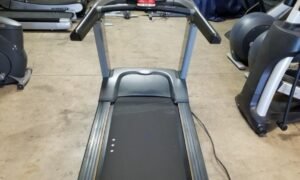
Treadmills take the hardest use in most facilities. Focus on the belt, deck, and motor.
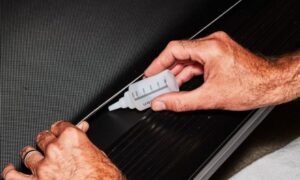
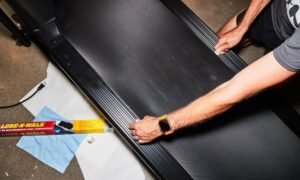
- Lubrication: TRUE Fitness recommends lubricating the deck every three months for in-home use over 20 hours per week, and less often for lighter use. Always follow your specific manual.
- Belt alignment: if the belt drifts to one side, adjust the rear roller bolts a quarter turn at a time, as Precor’s owner’s manuals describe.
- Cleaning: Technogym advises cleaning the underside and floor monthly by raising the incline and vacuuming.
- Motor: keep the motor compartment dust-free to prevent overheating.
A slipping or hesitating belt is your earliest warning sign. Address it fast.
Elliptical Maintenance
Ellipticals rely on smooth joints and rollers.
- Lubricate pivot points and roller tracks per the manual.
- Check pedal arms and linkages for play or squeaks.
- Inspect the drive belt for wear and correct tension.
- Tighten pedal and handle bolts weekly.
Exercise Bike Maintenance
For upright, recumbent, and spin bikes:
- Inspect pedals, straps, and crank arms for tightness.
- Check the resistance mechanism and brake pad wear on spin bikes.
- Lubricate the chain or inspect the belt drive.
- Clean sweat from the frame daily to prevent corrosion.
Rowing Machine Maintenance
- Clean the monorail so the seat glides freely.
- Inspect the chain or cord for wear and lubricate per the manual.
- Check the flywheel damper and clear it of dust.
- Confirm the footrests and straps are secure.
Strength and Cable Machine Maintenance
Selectorized and cable machines depend on cables, pulleys, and guide rods.
- Inspect cables for fraying, kinks, or rust. Replace at the first sign of damage.
- Lubricate guide rods so weight stacks move smoothly.
- Check pulleys for cracks and free rotation.
- Confirm weight pins and selector mechanisms seat correctly.
A frayed cable is a serious safety risk. Never wait to replace one.
Free Weights and Racks Maintenance
- Inspect racks, benches, and welds for cracks or wobble.
- Check bolt tightness on frames and attachments weekly.
- Clean dumbbells, plates, and bars to control rust and grime.
- Replace worn barbell knurling grips and damaged collars.
Cleaning and Disinfecting Procedures
Cleaning protects both hygiene and hardware. OSHA and CDC guidance direct facilities to disinfect high-touch surfaces regularly and follow product-specific standards for your setting.
Follow these steps:
- Clean visible dirt with a mild cleaner first.
- Apply an EPA-registered disinfectant and respect the required dwell time.
- Use gym-safe wipes, not harsh solvents that degrade vinyl and rubber.
- Avoid spraying liquids directly onto consoles. Technogym recommends a damp sponge or chamois instead.
Never let cleaning chemicals seep into electronics. That single mistake ruins many consoles.
Lubrication Best Practices
Correct lubrication is where most owners go wrong. Using the wrong product does more harm than none at all.
- Life Fitness preventive maintenance guidance specifies lubricating chains with 30W non-detergent oil and sprockets with lithium grease.
- Treadmill decks require silicone-based lubricant unless your manual states otherwise. Never use household oils like WD-40 on a deck.
- Apply thin, even coats. Over-lubricating attracts dust and creates buildup.
- Match the product to the manufacturer’s spec every time.
The rule is simple: check the manual first, lubricate second.
Belt Alignment and Electrical Inspection
Belt alignment keeps treadmills safe and quiet. A belt that tracks left or right will fray and eventually tear. Adjust the rear roller bolts in small increments, run the belt at low speed, and confirm it recenters.
For electrical and electronic parts:
- Inspect power cords and plugs for cracks or exposed wire.
- Confirm consoles power on and read data correctly.
- Check heart rate sensors and display responsiveness.
- Never open sealed electrical housings yourself. Leave that to a technician.
Software and Firmware Updates
Modern machines from Life Fitness, Matrix, and Technogym run software that needs updates. Firmware updates fix bugs, patch security gaps, and improve console performance. Check your manufacturer’s portal quarterly and apply updates during off-hours to avoid disrupting members.
Common Signs Equipment Needs Repair
Watch and listen for these warning signs:
- Grinding, squeaking, or clicking noises
- Treadmill belt slipping, sticking, or hesitating
- Frayed cables or visible rust
- Consoles freezing or displaying error codes
- Wobbly frames or loose bolts that keep loosening
- Burning smells from motors
Any burning smell or electrical issue means you take the machine out of service immediately.
Safety Risks of Poor Maintenance
Neglected equipment injures people. A snapped cable, a jammed treadmill belt, or a collapsing bench can cause serious harm. For public facilities, that also means liability exposure. ASTM International publishes safety standards for fitness equipment design and performance, and following them supports your duty of care. Poor upkeep also voids many manufacturer warranties.
When to Hire Professional Maintenance Services
Handle daily cleaning and basic checks in-house. Call a certified technician when you face:
- Motor, electrical, or console failures
- Belt or deck replacements
- Warranty-covered repairs
- Annual preventive maintenance service
- Any repair requiring specialized tools or parts
Most commercial manufacturers, including Cybex and Precor, offer service contracts. An annual professional inspection often pays for itself by catching hidden wear.
Maintenance Mistakes to Avoid
- Using the wrong lubricant or over-lubricating
- Spraying cleaner directly onto electronics
- Ignoring small noises until they become failures
- Skipping the maintenance log
- Attempting electrical repairs without training
- Using generic parts that void the warranty
Tips for Extending Equipment Lifespan
- Follow the manufacturer’s schedule, not a generic one.
- Train staff on correct cleaning and inspection.
- Keep the gym at a stable temperature and humidity.
- Place mats under cardio machines to reduce vibration.
- Rotate high-use machines to spread wear evenly.
Maintenance Logs and Inspection Records
Documentation turns good intentions into accountability. A maintenance log records what was done, when, and by whom. It proves your duty of care, supports warranty claims, and reveals patterns like a machine that needs frequent repair.
Track these fields:
- Date and technician name
- Equipment ID and location
- Task performed
- Parts replaced
- Next scheduled service
Digital logs or facility management software make records easy to search and share.
Key Takeaways
- Gym equipment maintenance combines cleaning, lubrication, inspection, and timely repair on a set schedule.
- Preventive care lowers costs, improves safety, and extends machine life.
- Use manufacturer-specific products, such as 30W non-detergent oil and lithium grease per Life Fitness, and silicone deck lubricant per your manual.
- Follow ACSM, OSHA, CDC, and ASTM guidance for safety and hygiene.
- Keep a detailed maintenance log and schedule an annual professional inspection.
Conclusion
Consistent gym equipment maintenance protects three things you can’t afford to lose: member safety, uptime, and the money you invested in your machines. Build a preventive maintenance schedule today, assign clear responsibilities, and log every task. Start with a daily wipe-down and inspection, layer in weekly and monthly care, and book a professional inspection each year. Small, steady effort now prevents the costly breakdowns and safety incidents that catch neglectful facilities off guard.
Frequently Asked Questions
How often should gym equipment be maintained?
Clean and inspect daily, perform weekly tension and cable checks, lubricate and calibrate monthly, and schedule a professional inspection annually. Adjust based on usage volume.
What lubricant should I use on a treadmill?
Use a silicone-based lubricant made for treadmill decks unless your manual specifies otherwise. Never use WD-40 or household oils, which damage the belt and deck.
How do I know if a treadmill belt needs adjustment?
If the belt drifts to one side or slips during use, it needs alignment. Adjust the rear roller bolts a quarter turn at a time and test at low speed.
Can I clean gym equipment consoles with disinfectant spray?
Never spray directly onto consoles. Apply disinfectant to a cloth first, then wipe, to protect the electronics. Technogym recommends a damp sponge or chamois.
How long does gym equipment last with proper maintenance?
Commercial cardio machines often last 7 to 12 years with consistent care, while strength equipment can last even longer. Neglect can cut that lifespan in half.
When should I hire a professional technician?
Call a certified technician for motor, electrical, or console failures, belt and deck replacements, warranty repairs, and annual preventive service.
Why is a maintenance log important?
A log proves your duty of care, supports warranty claims, and reveals recurring problems so you can address them before they cause failures.
Do fitness machines need software updates?
Yes. Networked machines from brands like Life Fitness and Matrix receive firmware updates that fix bugs and improve performance. Check quarterly and apply during off-hours.