
A treadmill repair technician is a trained specialist who diagnoses, fixes, and maintains treadmills by working across their mechanical, electrical, and software systems. In short, this professional keeps your machine safe, smooth, and running the way the manufacturer intended.
Whether you own a home treadmill or manage a gym floor full of them, understanding what these experts do helps you make smarter decisions. In this guide, you’ll learn what a treadmill repair technician handles, when to call one, what repairs cost, and how to keep your equipment running longer.
What Is a Treadmill Repair Technician?
Short answer: A treadmill repair technician is a skilled fitness equipment repair professional who troubleshoots and services treadmills, from belt replacements to motor and control-board issues.
These technicians blend hands-on mechanical skill with electrical knowledge and basic software diagnostics. Many come from backgrounds in appliance repair, electronics, or fitness equipment servicing. The best ones understand how each treadmill brand behaves, because a home model and a commercial unit rarely fail the same way.
Their goal is simple. They restore performance while keeping the machine safe for every user.
What Does a Treadmill Repair Technician Do Daily?
A treadmill technician’s day mixes inspection, repair, and preventive care. No two service calls look exactly alike.
Typical daily responsibilities include:
- Inspecting belts, decks, motors, and rollers for wear
- Diagnosing error codes and electrical faults
- Replacing worn or damaged parts
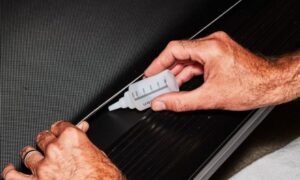
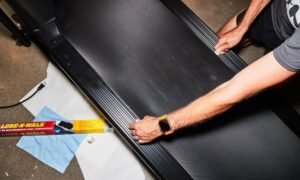
- Lubricating decks and tensioning belts
- Testing speed, incline, and safety features
- Advising owners on preventive treadmill maintenance
- Documenting repairs and recommending part replacements
So what? A good technician doesn’t just fix the immediate problem. They spot the next one before it sidelines your machine.
What Are the Most Common Treadmill Problems They Fix?
Most treadmill issues fall into four categories: belt, motor, electrical, and software. Here’s how technicians handle each.
Belt Problems
The belt is the most common repair. Over time, it slips, frays, or sticks because of poor lubrication or misalignment.
Technicians often need to repair a treadmill belt by re-tensioning it, realigning it, or replacing it entirely. A worn belt also strains the motor, so fixing it early saves money later.
Motor Problems
Treadmill motor repair usually involves burning smells, loss of power, or inconsistent speed. Dust buildup and overheating are frequent culprits.
A technician cleans the motor, checks the wiring, and tests the motor control board. In many cases, cleaning and recalibration solve the issue without a full replacement.
Electrical Problems
Electrical faults show up as flickering displays, dead consoles, or tripped breakers. These require careful testing with proper tools.
Technicians check power supplies, wiring harnesses, and circuit boards. Because these repairs carry shock risk, they should be handled by a professional.
Software and Console Problems
Modern treadmills run on control boards and firmware. Error codes, frozen screens, and connectivity glitches all count as software issues.
Technicians read diagnostic codes, update firmware, and recalibrate sensors. Sometimes a simple reset fixes it, but persistent codes point to a failing board.
How Does a Technician Diagnose Problems?
Professional treadmill troubleshooting follows a clear, repeatable process. This structure prevents guesswork and unnecessary part swaps.
Here’s the typical diagnostic sequence:
- Interview the owner about symptoms, noises, and error codes.
- Run a visual inspection of the belt, deck, motor, and wiring.
- Test electrical components with a multimeter for voltage and continuity.
- Read diagnostic codes from the console or control board.
- Recreate the fault by running the treadmill through its speed and incline range.
- Isolate the root cause, whether mechanical, electrical, or software.
- Recommend a repair plan with cost and timeline.
So what? A methodical diagnosis means you pay to fix the actual problem, not a symptom.
What Tools Do Professional Technicians Use?
Quality repairs depend on the right equipment. Professionals carry tools that most homeowners don’t own.
Common tools include:
- Digital multimeters for electrical testing
- Belt tension gauges
- Torque wrenches and hex key sets
- Lubricant applicators approved by manufacturers
- Diagnostic software and code readers
- Replacement belts, rollers, and control boards
These tools let a technician measure precisely instead of estimating. That accuracy protects both your treadmill and your warranty.
What Preventive Maintenance Do Technicians Provide?
Preventive treadmill maintenance keeps small issues from becoming expensive failures. Most manufacturers recommend scheduled servicing to protect performance and warranty coverage.
A preventive maintenance visit usually includes:
- Deck and belt lubrication
- Belt tension and alignment checks
- Motor and interior cleaning
- Bolt and hardware tightening
- Electrical and safety-key testing
- Console calibration
Recommended service frequency:
- Home treadmills: professional service once a year
- Commercial treadmills: every 3 to 6 months, depending on usage
Following the manufacturer’s maintenance schedule is the single best way to extend equipment life.
Residential vs. Commercial Treadmill Repair: What’s the Difference?
Home treadmill repair and commercial treadmill repair share the same core skills but differ in scale and urgency.
Home treadmills see lighter use, so repairs focus on belts, lubrication, and occasional motor work. A single service call usually covers the job.
Commercial treadmills run for hours every day in gyms and hotels. They demand heavy-duty parts, faster response times, and more frequent servicing. Downtime costs money, so commercial contracts often include priority scheduling.
Why Hire a Professional Treadmill Technician?
You can handle basic care yourself, but professional service matters for anything involving power, precision, or safety.
Key benefits of hiring a professional include:
- Safety: trained handling of electrical components and moving parts
- Accuracy: proper diagnosis using diagnostic tools
- Warranty protection: repairs that meet manufacturer standards
- Longevity: correct part replacement and calibration
- Time savings: faster, reliable fixes
Certified technicians are preferred because they follow recognized safety standards and manufacturer guidelines. That certification signals real training, not guesswork.
Repair vs. Replacement: Which Should You Choose?
Not every treadmill is worth repairing. A quick cost comparison helps you decide.
Repair usually makes sense when:
- The treadmill is under 7 to 10 years old
- The repair costs less than half the price of a new unit
- The frame and deck are still in good shape
Replacement makes more sense when:
- The motor and control board both fail
- Parts are discontinued
- Repair costs approach the price of a new machine
So what? Repair the machine when the bones are solid. Replace it when major systems fail together.
DIY Maintenance vs. Professional Treadmill Repair
The table below shows where homeowners can help and where a professional should step in.
| Task | DIY Maintenance | Professional Repair |
| Wiping down and dusting | ? Yes | Optional |
| Deck lubrication | ? Yes, with approved lubricant | ? Included in service |
| Belt tension adjustment | ?? Basic only | ? Precise, gauge-based |
| Belt replacement | ?? Advanced DIY | ? Recommended |
| Motor repair | ? Not advised | ? Required |
| Electrical faults | ? Not advised | ? Required |
| Control board and software | ? Not advised | ? Required |
| Annual full service | ?? Limited | ? Recommended |
The rule of thumb is simple. Cleaning and light lubrication are safe to DIY, but electrical and motor work belong to a professional.
How Much Does Treadmill Repair Cost?
Treadmill repair costs vary by problem, part, and machine type. Prices below reflect typical U.S. ranges.
- Service call or diagnostic fee: $75–$150
- Belt replacement: $150–$400
- Motor repair or replacement: $200–$600
- Control board repair: $200–$500
- Annual maintenance visit: $100–$200
Commercial repairs cost more because of heavy-duty parts and labor. Always ask for an estimate before work begins.
Tips to Extend Your Treadmill’s Life
Small habits make a big difference in how long your machine lasts.
- Lubricate the deck as your manufacturer recommends
- Keep the belt centered and properly tensioned
- Vacuum around and under the motor cover regularly
- Use a surge protector to guard the electronics
- Place the treadmill on a level surface
- Schedule professional maintenance on time
So what? Consistent care beats expensive repairs every time.
Key Takeaways
- A treadmill repair technician diagnoses and fixes belt, motor, electrical, and software problems.
- Belt and motor issues are the most common repairs.
- Home treadmills need yearly service; commercial units need service every 3 to 6 months.
- DIY care covers cleaning and lubrication, but electrical and motor work needs a professional.
- Repair costs typically range from $75 to $600, depending on the issue.
- Certified technicians protect your safety, warranty, and equipment lifespan.
Frequently Asked Questions
What does a treadmill repair technician do?
A treadmill repair technician diagnoses, repairs, and maintains treadmills. They fix belts, motors, electrical systems, and software while performing preventive maintenance to keep machines safe and running well.
When should you hire a treadmill technician?
Hire a technician when you notice burning smells, electrical faults, error codes, motor failure, or belt problems you can’t fix safely. Annual professional maintenance is also recommended.
How much does treadmill repair typically cost?
Most treadmill repairs cost between $75 and $600. Diagnostic fees run $75–$150, belt replacements $150–$400, and motor repairs $200–$600, depending on the machine and parts.
What are the most common treadmill problems?
The most common issues are belt slipping or fraying, motor overheating, electrical faults like dead consoles, and software errors such as frozen displays or error codes.
How long does treadmill repair take?
Most repairs take 1 to 2 hours. Simple fixes like lubrication or belt tensioning are quick, while motor or control-board replacements can take longer or require ordered parts.
Can you repair a treadmill yourself?
You can handle cleaning, lubrication, and basic belt adjustments yourself. However, motor repairs, electrical faults, and control-board issues should be left to a professional for safety reasons.
How often should a treadmill be serviced?
Home treadmills should be serviced once a year. Commercial treadmills in gyms need professional maintenance every 3 to 6 months due to heavy daily use.
What qualifications should a technician have?
Look for a technician with fitness equipment repair training, electrical knowledge, and manufacturer certifications. Certified technicians follow recognized safety standards and warranty requirements.
Final Thoughts
A skilled treadmill repair technician does far more than swap out parts. They diagnose problems accurately, protect your safety, and help your machine last for years. From belt repairs to motor and software fixes, their expertise keeps your treadmill performing at its best.
If you want reliable performance and fewer breakdowns, don’t wait for a failure. Schedule professional maintenance on time, follow your manufacturer’s care schedule, and call a certified technician for anything electrical or mechanical. Your safety, your equipment lifespan, and your workouts all depend on it.