A well-cared-for home gym lasts longer, works safer, and costs you less over time. That is exactly why every owner needs a reliable home gym maintenance checklist to follow. Whether you own a single treadmill or a full rack of strength machines, small routine tasks prevent expensive breakdowns and keep your workouts smooth. We built this guide from accepted manufacturer practices and hands-on service experience, so you know each step is practical and safe. Below, we break down daily, weekly, monthly, quarterly, and annual tasks, plus equipment-specific care and clear signs you need a technician.
Why Home Gym Maintenance Is Essential
Skipping maintenance is the fastest way to shorten your equipment’s life. Regular home gym equipment maintenance protects both your investment and your body. Here is what consistent care delivers:
- Longer equipment lifespan: Treadmills, bikes, and strength machines routinely last 7–12 years when maintained, versus far fewer when neglected.
- Safer workouts: Frayed cables, loose bolts, and worn belts cause the most common home gym injuries.
- Better performance: A lubricated belt and clean flywheel run smoother, so your effort goes into training, not fighting friction.
- Lower repair costs: A $15 bottle of belt lubricant is cheaper than a $600 motor replacement.
- Improved hygiene: Sweat carries bacteria that corrode metal and degrade upholstery.
- Higher resale value: Buyers pay more for machines with a documented maintenance history.
What this means for you: Ten minutes of care each week protects hundreds of dollars in equipment.
Complete Home Gym Maintenance Checklist
This is the core routine we recommend every owner follow. We organized it by frequency so nothing gets missed.
Your Daily Home Gym Maintenance Checklist
Do these quick tasks after every session:
- Wipe down all contact surfaces with a damp microfiber cloth.
- Remove sweat from handles, seats, and consoles immediately.
- Listen for unusual noises like grinding, squeaking, or clicking.
- Inspect cables and straps for visible fraying.
- Clean grips and handlebars to prevent slippage.
Weekly Checklist
Set aside 15 minutes each week for these:
- Vacuum dust and debris around and beneath each machine.
- Tighten any loose bolts, pedals, and handle fasteners.
- Inspect moving parts for smooth, even motion.
- Wipe down rails and tracks on ellipticals and rowers.
- Check power cords for kinks, cuts, or loose plugs.
Monthly Checklist
Once a month, go deeper:
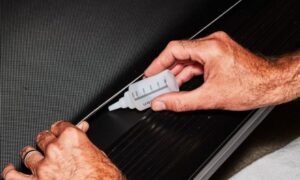
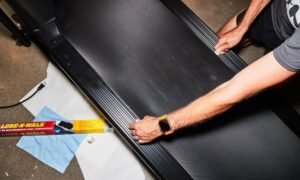
- Lubricate the treadmill belt using manufacturer-approved silicone lubricant.
- Inspect drive belts on bikes and ellipticals for cracks or slack.
- Check resistance systems for consistent, accurate settings.
- Examine pulleys and cables on strength machines.
- Test emergency stop and safety key functions on treadmills.
- Inspect adjustment knobs and pins for wear.
Quarterly Checklist
Every three months, perform preventive maintenance for fitness equipment:
- Deep clean upholstery, consoles, and hard-to-reach frame areas.
- Inspect all metal surfaces for early rust or corrosion.
- Calibrate speed, incline, and resistance where the console allows.
- Update console software or firmware on connected machines.
- Check bearings for smooth rotation and no play.
- Inspect rollers for even wear and debris buildup.
Annual Maintenance
Once a year, we recommend a full professional check:
- Schedule a professional fitness machine servicing appointment.
- Replace worn parts such as belts, cables, and rollers.
- Complete full safety testing on electrical and structural components.
- Perform a comprehensive service and lubrication of internal parts.
- Run a full performance evaluation against factory specs.
Equipment-Specific Maintenance
Every machine wears differently. Here is how we care for the most common home gym equipment.
Treadmills
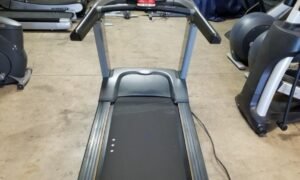
Treadmill maintenance tips center on the belt and motor. Neglect here causes the most costly repairs.
- Belt lubrication: Apply silicone lubricant every 150 miles or 3 months, following your manual.
- Belt alignment: Center the belt if it drifts to one side to prevent edge fraying.
- Motor cleaning: Vacuum dust from the motor compartment monthly to prevent overheating.
- Deck inspection: Check for wear spots and reduced cushioning.
- Roller inspection: Look for debris and uneven wear that cause slipping.
Exercise Bikes
Exercise bike maintenance is quick but important for a smooth, quiet ride.
- Pedal tightening: Check pedal threads weekly, since they loosen with pressure.
- Resistance system: Test magnetic or friction resistance for consistency.
- Flywheel cleaning: Wipe the flywheel to remove sweat and dust that cause corrosion.
- Seat adjustment inspection: Confirm the seat post and slider lock firmly.
Ellipticals
Elliptical maintenance focuses on the moving joints that carry your full body weight.
- Rails and wheels: Clean rails and inspect wheels for flat spots or cracks.
- Pivot joints: Check for play or squeaking at every joint.
- Moving handles: Confirm handles move smoothly without wobble.
- Lubrication: Grease pivot points per your manufacturer’s schedule.
Rowing Machines
Rowers need care on both the drive and seat systems.
- Chain care: Lubricate chain-drive rowers with light oil every 50 hours of use.
- Seat rails: Wipe rails after each session to prevent gritty, rough sliding.
- Resistance tank: Change water and add purification tablets in water rowers as directed.
- Fan cleaning: Vacuum the fan cage on air rowers to keep resistance even.
Home Strength Equipment
Strength machine maintenance protects you from sudden cable failure under load.
- Cable inspection: Replace cables at the first sign of fraying.
- Pulley maintenance: Confirm pulleys spin freely and quietly.
- Weight stack cleaning: Wipe guide rods and stack plates to remove grime.
- Guide rods: Apply light lubricant so the stack moves without catching.
- Bench bolts: Tighten all bench and frame bolts monthly.
Cleaning Best Practices
Proper fitness equipment cleaning prevents the corrosion and wear that cut equipment life short. Here is what we recommend:
- Use safe, pH-neutral cleaners or a mild soap-and-water solution.
- Always apply cleaner to a microfiber cloth, never directly onto consoles.
- Avoid harsh chemicals like bleach, ammonia, and alcohol wipes on upholstery.
- Prevent moisture from reaching motors, electronics, and bearings.
- Remove sweat immediately, since salt accelerates rust on metal parts.
Common Maintenance Mistakes to Avoid
Even careful owners make errors that shorten equipment life. Watch for these:
- Ignoring strange noises: A new grind or squeak signals a problem, not background noise.
- Skipping lubrication: Dry treadmill belts and rails wear out motors and joints fast.
- Using the wrong cleaners: Harsh chemicals crack upholstery and fade consoles.
- Over-tightening bolts: Excess torque strips threads and cracks frames.
- Blocking ventilation: Machines pushed against walls trap heat and overheat motors.
- Delaying repairs: A small fix today prevents a full replacement later.
Signs Your Equipment Needs Professional Service
Some issues need a trained technician. Stop using the machine and call for service if you notice:
- A burning smell from the motor or electronics.
- Excessive vibration during normal use.
- Loose or frayed cables under load.
- Electrical issues such as tripping breakers or flickering displays.
- A treadmill belt that slips or hesitates.
- Persistent display errors or failed calibration.
- Grinding noises from the motor, bearings, or flywheel.
Expert Maintenance Tips
These habits come straight from experienced fitness equipment technicians:
- Store equipment properly in a dry, climate-controlled space away from direct sunlight.
- Control humidity to below 50% where possible, since damp air corrodes metal and electronics.
- Keep your manuals so you always follow the correct lubrication and service intervals.
- Record maintenance dates in a simple log or app to track service history.
- Use manufacturer-recommended products only, as brands like Life Fitness, Precor, and NordicTrack specify approved lubricants and parts.
Organizations such as the American College of Sports Medicine (ACSM) and the National Strength and Conditioning Association (NSCA) emphasize equipment safety, and OSHA guidance reinforces routine inspection as a core safety practice.
Conclusion
A consistent home gym maintenance checklist is the simplest way to protect your safety, your performance, and your investment. Clean and inspect after every session, tighten and lubricate on schedule, and book a professional service once a year. These small, repeatable steps prevent breakdowns, extend gym equipment lifespan, and keep every workout smooth and safe. Start your maintenance routine this week, log each task, and call a qualified technician the moment you notice a warning sign. Your equipment will reward you with years of dependable use.
Frequently Asked Questions
What is a home gym maintenance checklist?
A home gym maintenance checklist is a scheduled list of cleaning, inspection, and servicing tasks for your fitness equipment. It organizes daily, weekly, monthly, quarterly, and annual care so nothing gets missed. Following one extends equipment life, improves safety, and reduces repair costs.
How often should I maintain home gym equipment?
Maintain home gym equipment daily, weekly, monthly, quarterly, and annually. Wipe down and inspect after every use, tighten bolts weekly, lubricate monthly, deep clean quarterly, and schedule professional servicing once a year for full inspection and part replacement.
How do I clean fitness equipment safely?
Apply a pH-neutral cleaner or mild soap solution to a microfiber cloth, then wipe surfaces. Never spray liquid directly on consoles or motors. Avoid bleach, ammonia, and alcohol on upholstery. Remove sweat immediately to prevent corrosion on metal parts.
Do treadmills need lubrication?
Yes. Most treadmills need belt lubrication every 150 miles or roughly every three months. Use only manufacturer-approved silicone lubricant. Lubricating the treadmill belt reduces friction, protects the motor, and prevents belt slipping and premature wear.
How long does home gym equipment last?
Well-maintained home gym equipment typically lasts 7 to 12 years. Treadmills average 7 to 10 years, while quality strength machines and bikes often last longer. Consistent maintenance and manufacturer-recommended parts directly extend equipment lifespan.
Can I maintain gym equipment myself?
Yes. You can handle most routine care, including cleaning, tightening bolts, lubricating belts, and inspecting cables. Follow your owner’s manual for intervals and approved products. Leave electrical repairs, motor issues, and calibration failures to a professional technician.
When should I call a technician?
Call a technician for burning smells, electrical faults, excessive vibration, grinding noises, slipping belts, or frayed cables under load. These signal internal wear or safety hazards. Stop using the machine until a qualified professional inspects and repairs it.
How often should strength equipment be inspected?
Inspect cables, pulleys, and bolts weekly, and perform a detailed strength machine inspection monthly. Replace cables at the first sign of fraying. A quarterly deep inspection and annual professional service keep the machine safe under heavy load.