
To extend treadmill life, clean the belt and frame after every use, lubricate the deck on a manufacturer-guided schedule, check belt alignment monthly, keep the motor compartment dust-free, and schedule professional preventive maintenance at least once a year. Consistent care can add years to a treadmill’s useful life.
A treadmill is a significant investment. Whether it sits in a home gym, a hotel fitness center, a commercial gym, or an apartment complex, the same truth applies: machines that get regular care last far longer than machines that don’t. Skipping maintenance doesn’t just shorten treadmill lifespan — it turns a $150 service visit into a $600 motor replacement.
This guide covers exactly how to extend treadmill life with practical, technician-level maintenance tips. You’ll find an easy maintenance schedule, clear warning signs to watch for, and guidance on when to repair versus replace.
How Can You Extend the Life of a Treadmill?
The most effective way to extend treadmill life is to address wear before it compounds. Each part of a treadmill depends on the others. A dry walking deck creates friction that strains the belt. A strained belt forces the motor to work harder. A motor under excessive load overheats and fails early.
The key maintenance habits that protect against this chain reaction:
- Regular cleaning of the belt, frame, and surrounding area
- Walking belt and deck maintenance to reduce friction
- Lubrication on the manufacturer’s schedule using the correct lubricant type
- Belt alignment and tension checks to prevent uneven wear
- Motor compartment cleaning to prevent dust-related overheating
- Safe electrical inspection to catch wiring and console issues early
- Staying within weight and usage capacity to avoid unnecessary mechanical stress
- Professional preventive treadmill service at regular intervals
None of these steps require advanced skills. Most take only a few minutes. Together, they form a routine that can measurably extend your treadmill’s useful life.
8 Ways to Extend Treadmill Life
1. Clean the Treadmill Regularly
Sweat, dust, and debris are slow-acting damage. Sweat carries salt that corrodes metal components over time. Dust accumulates under the motor cover and restricts airflow, raising operating temperatures. After every session, wipe down the belt surface, console, and handrails with a lightly damp cloth. Avoid spraying liquid directly onto the console or electrical components.
Monthly, vacuum under and around the machine to remove buildup from the floor and base. For commercial treadmills in gyms or hotel fitness centers, this cleaning frequency should increase based on daily usage volume.
2. Maintain the Walking Belt and Deck
The walking belt and deck are the highest-wear components on any treadmill. Excessive friction between the two accelerates both. A worn deck surface can damage even a new belt quickly, and a stretched or misaligned belt wears the deck unevenly.
Inspect the underside of the belt periodically for fraying, glazing, or uneven wear patterns. If the deck surface feels rough or shows significant scoring, it may need resurfacing or replacement. Treadmill belt maintenance is one of the most cost-effective ways to prevent larger mechanical failures.
3. Lubricate the Deck Correctly
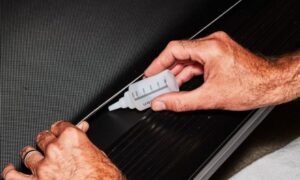
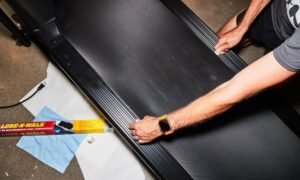
Treadmill deck lubrication reduces friction, lowers motor load, and protects both the belt and deck surface. The key is using the right product in the right amount.
Most manufacturers specify a silicone-based lubricant for the walking deck. Always consult your owner’s manual before applying anything — using the wrong lubricant, such as a petroleum-based product or a general-purpose spray, can damage the belt material and void the warranty. Over-lubricating is also a problem. Excess silicone attracts dust and creates slippery buildup.
Lubrication intervals vary by manufacturer and usage level. Lighter home use may require lubrication every three to six months. Heavier use or commercial settings typically require more frequent attention. Follow the schedule in your manual rather than a generic rule.
4. Check Belt Alignment and Tension
A belt that drifts to one side or runs too loose creates friction on the edges and puts uneven stress on the rollers and drive system. Left unchecked, treadmill belt alignment issues can damage the belt, the deck, and eventually the rear roller bearings.
To check alignment, run the treadmill at a low speed and observe whether the belt tracks centered. If it pulls to one side, adjust the rear roller bolts in small increments — typically a quarter turn at a time — and recheck. Tension should feel firm but not tight. A belt that’s too tight strains the motor; one that’s too loose slips and hesitates underfoot.
Refer to your owner’s manual for the manufacturer’s specific tension specs and adjustment procedure before making any changes.
5. Keep the Motor Compartment Clean
Dust accumulation inside the motor compartment is one of the leading causes of treadmill motor failure. Dust restricts airflow, traps heat, and can settle onto electrical components. Every one to three months, unplug the machine and remove the motor cover. Use a soft brush or vacuum to clear dust from the motor, drive belt, and surrounding area.
This is a simple step that many owners skip entirely. For commercial treadmills in gyms, hotels, or fitness centers — where machines run for hours daily — motor compartment cleaning should happen more frequently, depending on the environment.
6. Inspect the Treadmill for Unusual Sounds
Noise is one of the earliest and most reliable warning signs of a developing problem. Grinding, squealing, or rhythmic thumping during use usually points to something specific: worn roller bearings, a dry deck, debris under the belt, or a stressed drive belt.
Don’t ignore unfamiliar sounds and hope they resolve. A grinding noise from the motor area, for example, may indicate failing bearings that, if addressed early, require a relatively straightforward repair. Left running, the same fault can seize the motor. For a detailed breakdown of what different sounds mean, the guide on signs your treadmill needs professional repair covers each symptom in depth.
7. Use the Treadmill Within Its Intended Capacity
Every treadmill has a rated maximum user weight and a recommended maximum daily usage duration. Consistently exceeding those limits accelerates wear on the belt, deck, motor, and frame — even on machines that appear to be functioning normally.
For commercial settings, choose equipment rated for commercial use. A residential-grade treadmill placed in a hotel gym or fitness center will wear out far faster than its specifications predict, regardless of how well it’s maintained. Matching the machine to the application is part of good treadmill maintenance.
8. Schedule Preventive Treadmill Service
Professional preventive maintenance goes deeper than what most owners can do themselves. A qualified technician will clean interior components, lubricate all moving parts, inspect and adjust belts and rollers, check motor and drive belt condition, test electronics and safety systems, and identify any developing faults before they cause a failure.
For home treadmills with moderate use, annual professional service is a reasonable baseline. Commercial treadmills — particularly those in gyms, hotels, or schools in New Jersey or New York — typically benefit from service every three to six months, depending on usage volume. This is also consistent with what manufacturers generally recommend for high-use environments, though always defer to your specific model’s documentation.
Learn more about the value of preventive fitness equipment maintenance and how it compares to reactive repair costs over time.
Treadmill Maintenance Schedule
Use this schedule as a starting framework, then adjust based on your machine’s manufacturer guidelines and actual usage volume.
After Each Workout
- Wipe down the belt, handrails, and console
- Remove any visible debris from around the base
Weekly
- Vacuum under and around the machine
- Check that the belt sits centered on the rollers
- Look for any visible fraying or unusual wear
Monthly
- Inspect belt tension and alignment
- Check all visible bolts and hardware for tightness
- Inspect the power cord and console connections
Every 3–6 Months (or per manufacturer guidelines)
- Lubricate the walking deck with the approved lubricant
- Clean inside the motor compartment
- Inspect the drive belt and rollers for wear
Annually
- Schedule professional treadmill preventive maintenance
- Full inspection of motor, electronics, belt, deck, and mechanical components
- Address any identified wear before it leads to failure
For additional guidance on caring for the full range of equipment in your facility, the gym equipment maintenance guide from NJ Fitness Equipment Repair covers machine-specific care across all major equipment types.
Signs Your Treadmill Needs Professional Repair
Maintenance can prevent many failures, but it can’t prevent all of them. Knowing when to call a technician is just as important as knowing what to clean and lubricate. Watch for these warning signs:
- Belt slipping or hesitation underfoot, especially when pushing off
- Persistent unusual noises — grinding, squealing, or knocking — particularly from the motor area
- Belt drifting repeatedly to one side after adjustment
- Burning smell during or after use — stop and unplug the machine immediately
- Sudden shutdowns or a machine that won’t start
- Error codes that return after a reset
- Inconsistent speed or unexpected speed changes without console input
- Incline problems — the platform sticks, moves erratically, or doesn’t respond
- Motor overheating or the machine shutting down mid-workout to cool
- Visible damage to the belt, deck surface, wiring, or structural components
Any burning smell or electrical fault should be treated as an immediate stop-use situation. Running a machine with an electrical issue risks further damage and potential fire hazard.
Can Preventive Maintenance Really Extend Treadmill Life?
Yes — with a qualification. Preventive maintenance can help extend treadmill life, but the degree depends on the machine’s quality, usage intensity, and how consistently the maintenance is performed.
A well-built treadmill that receives regular lubrication, cleaning, belt care, and annual professional service may remain functional for a decade or more. The same machine, neglected for a few years, may develop motor failure, deck damage, or bearing wear that makes repair economically questionable long before that point.
The relationship between maintenance and longevity is proportional. Small, consistent care keeps cumulative wear from compounding. For commercial treadmills under heavy daily use — in gyms, hotels, or NJ fitness centers — more frequent professional inspection is the only realistic way to manage the faster wear rates those environments produce.
For a broader look at how this principle applies across fitness equipment, the exercise equipment repair services page provides useful context on the types of issues that develop when maintenance is delayed.
When Should You Repair or Replace a Treadmill?
This question comes up often. The answer depends on several factors, not just the cost of the repair itself.
Lean toward repair when:
- The machine is relatively new or still well within its expected service life
- The frame and motor are structurally sound
- The fault involves a single part — belt, rollers, a console board, or a drive component
- Replacement parts are available for the model
Lean toward replacement when:
- Repair cost exceeds roughly half the price of a comparable new machine
- Both the motor and controller need replacement simultaneously
- The frame or walking deck is cracked, badly warped, or structurally compromised
- Parts are no longer manufactured or available
- The same components are failing repeatedly within short intervals
A quality treadmill in good structural condition is usually worth repairing. The decision becomes more straightforward once you have a written diagnosis and cost estimate from a qualified technician.
Professional Treadmill Repair and Preventive Maintenance in NJ
If your treadmill is showing signs of wear, unusual noise, belt problems, electrical faults, or inconsistent performance, professional treadmill repair and service can help identify the problem before it becomes a larger failure.
NJ Fitness Equipment Repair / Fitness Equipment Repair Specialist L.L.C. provides treadmill preventive maintenance and repair for home gyms, commercial fitness centers, hotels, and fitness facilities across New Jersey and New York — including the Bronx, Westchester, Rockland, and parts of Orange County. Preventive tune-ups include cleaning interior components, lubricating moving parts, tightening fittings, and inspecting belts, motors, and electronics.
Call (201)-306-1898 or request a service visit online.
Frequently Asked Questions
How can I extend the life of my treadmill?
Clean the belt and frame after every use, lubricate the deck on a manufacturer-guided schedule using the correct silicone-based lubricant, check belt alignment and tension monthly, keep the motor compartment free of dust, and schedule professional preventive maintenance annually — or more often for commercial machines under heavy use.
How often should I lubricate my treadmill?
Lubrication frequency depends on the manufacturer’s specifications and usage level. Many treadmills used at home require deck lubrication every three to six months. Higher-use commercial machines may need it more frequently. Always follow your owner’s manual for the specific lubricant type and interval — using the wrong product can damage the belt and deck.
How often should a treadmill be serviced professionally?
Home treadmills generally benefit from professional service once a year. Commercial treadmills in gyms, hotels, or fitness centers typically require service every three to six months due to higher daily usage. Manufacturer documentation for your specific model will provide the most accurate guidance.
What causes a treadmill belt to wear out quickly?
Treadmill belt wear accelerates when the deck is not properly lubricated, when belt tension is too tight, or when the belt runs misaligned. Using the machine above its rated weight capacity also strains the belt. Consistent lubrication and alignment checks are the most effective ways to slow belt wear.
Does cleaning a treadmill motor help it last longer?
Yes. Dust buildup inside the motor compartment restricts airflow and causes the motor to run hotter than it should. Over time, that heat degrades motor components. Vacuuming the motor compartment every one to three months — or more often in dusty environments — can help reduce heat-related wear and may reduce the risk of premature motor failure.
When should I repair or replace my treadmill?
Repair generally makes sense when the frame and motor are sound and the fault involves a single replaceable part. Replacement becomes more practical when repair costs approach or exceed half the price of a comparable machine, when multiple major components need attention at once, or when parts are no longer available for the model.
Can regular treadmill maintenance prevent expensive repairs?
Regular treadmill maintenance can help reduce the likelihood of costly repairs by catching developing problems early, before they damage surrounding components. A slipping belt addressed promptly costs far less to fix than the motor damage that follows if the belt continues running strained. No maintenance program eliminates all failures, but consistent care is one of the most reliable ways to lower long-term repair costs.
Protect Your Investment — Start With a Maintenance Routine
The most expensive treadmill repair is usually the one that could have been avoided. Small, consistent habits — wiping down the belt, lubricating the deck on schedule, checking alignment, and keeping the motor compartment clean — address wear before it compounds into something larger and more costly.
If you manage a commercial gym, hotel fitness center, or home gym in New Jersey or New York and want to extend treadmill life with a professional preventive maintenance plan, professional treadmill repair and service from NJ Fitness Equipment Repair is a practical starting point. A single annual inspection can identify hidden wear, correct alignment issues, and keep your machine running safely for years to come.