Running a successful fitness facility requires more than just filling the floor with top-tier equipment. Facility managers bear a significant responsibility to keep every treadmill, cable machine, and squat rack in peak condition. A single frayed cable or malfunctioning motor can lead to severe injuries and costly legal liabilities. Implementing a regular maintenance contract serves as a vital safeguard, ensuring your gym remains a safe, compliant, and thriving environment for your members.
Here is a closer look at how structured maintenance agreements elevate gym safety and operational success.
What Maintenance Contracts Include
A standard gym maintenance contract provides comprehensive, scheduled care for all facility equipment. Rather than waiting for a machine to break, certified technicians perform routine preventative maintenance. These agreements typically cover:
- Detailed inspections: Checking for loose bolts, worn belts, and frayed cables.
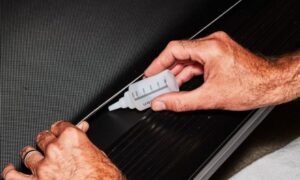
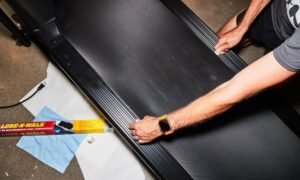
- Lubrication and calibration: Ensuring all moving parts operate smoothly and digital displays track accurately.
- Deep cleaning: Removing dust and debris from motor housings to prevent overheating.
- Performance testing: Verifying that emergency stops and resistance levels function exactly as intended.
Safety Compliance Benefits
Fitness centers must adhere to specific safety regulations and liability standards. Regular maintenance contracts help you stay fully compliant with local safety laws and insurance requirements. When you rely on certified professionals to service your equipment, you receive detailed service logs. These logs serve as documented proof that you take member safety seriously. If an accident ever occurs, having a paper trail of proactive maintenance provides essential protection against negligence claims and liability lawsuits.
Reduced Breakdown Risk
Equipment failure rarely happens without warning. A worn bearing or a stretched belt will show subtle signs of fatigue long before it snaps. Routine maintenance allows technicians to identify and resolve these minor issues early. Catching a problem during a scheduled check prevents a treadmill from seizing while a member is running at high speed. By addressing wear and tear proactively, you dramatically reduce the risk of sudden, dangerous equipment breakdowns.
Cost Savings Over Time
Many gym owners view maintenance contracts as an added expense, but they actually function as a powerful financial shield. Replacing a burned-out commercial treadmill motor costs thousands of dollars. In contrast, keeping the motor compartment clean and the running belt properly lubricated costs a fraction of that amount. Regular servicing extends the lifespan of your expensive capital investments. You avoid emergency repair fees, minimize out-of-order equipment, and delay the need for full replacements.
The Technician Perspective
Gym staff excel at customer service and basic cleaning, but they lack the specialized training required to spot mechanical hazards. From a certified technician’s perspective, the difference between a functional machine and a dangerous one comes down to millimeters. Technicians understand the specific torque required for structural bolts and know exactly how much tension a commercial cable can safely handle. They bring an expert eye to your facility, identifying internal structural fatigue that an untrained observer simply cannot see.
Trust and Reliability Improvement
Members pay close attention to the condition of your equipment. Walking into a gym filled with “Out of Order” signs immediately damages your facility’s reputation. When machines work flawlessly every day, members feel safe and valued. Consistent reliability builds deep trust between your brand and your clientele. A well-maintained facility directly translates to higher member retention rates, stronger positive reviews, and a superior reputation in your local fitness community.
Frequently Asked Questions (FAQs)
How often should gym equipment be professionally maintained?
Most commercial gyms require professional maintenance at least once a quarter. However, high-traffic facilities may need monthly servicing for heavily used cardio equipment like treadmills and stair climbers.
Can my in-house staff perform the required maintenance?
While staff should perform daily wipe-downs and visual checks, they should not handle mechanical maintenance. Certified technicians possess the specific training, tools, and liability coverage necessary to safely service commercial fitness equipment.
Do maintenance contracts cover the cost of replacement parts?
This depends on the specific agreement. Most standard contracts cover the labor for inspections and preventative care, while parts are billed separately. However, comprehensive contracts may include the cost of common wear-and-tear parts like belts and cables.
Will a maintenance contract void my equipment warranty?
No. In fact, most commercial equipment manufacturers require proof of routine, professional maintenance to keep their factory warranties valid. A maintenance contract ensures you meet these exact warranty requirements.