Walking onto the gym floor and seeing an “Out of Order” sign taped to the most popular treadmill is a frustration every gym member knows well. For a gym owner, that sign represents something far worse than a minor inconvenience. It is a silent leak in your revenue stream, a potential safety hazard, and a direct hit to your brand’s reputation.
In the competitive New Jersey fitness market, where new studios and franchises pop up constantly, operational excellence isn’t just a bonus—it is a requirement for survival. When your machines stop working, your business stops working at full capacity. Understanding the true cost of broken equipment is the first step toward protecting your bottom line.
This guide explores the ripple effect of equipment failure and how proactive maintenance strategies can save your business thousands of dollars in the long run.
The Hidden Costs of Equipment Downtime
Most gym owners calculate the cost of broken equipment simply by looking at the repair bill. If a cable snaps on a functional trainer, and it costs $300 to fix, that is the perceived loss. However, the real financial damage is often hidden beneath the surface.
The “equipment downtime impact on gyms” goes far beyond parts and labor. It touches every aspect of your operation, from member retention to liability.
Direct Revenue Loss from Membership Churn
Your members pay for access. When access is restricted, the value proposition of your gym drops immediately. If a member’s workout routine relies on three specific machines, and two of them are broken for a week, they aren’t getting what they paid for.
While one broken machine might be forgiven, a pattern of neglect is a primary driver of membership cancellation. In the fitness industry, retention is everything. Acquiring a new member costs significantly more than retaining an existing one. When members leave because of poor facility maintenance, they rarely leave quietly. They tell their friends, they leave reviews, and they join the competitor down the street who keeps their ellipticals running smoothly.
The “Broken Window” Effect on Brand Reputation
There is a psychological concept known as the “Broken Window Theory,” which suggests that visible signs of neglect encourage further neglect and disorder. In a gym setting, this is incredibly relevant.
When a gym has multiple machines out of order, torn upholstery, or squeaky pulleys, it signals to members that management doesn’t care. This perception damages your brand reputation. High-end gyms are defined not just by the brand of equipment they buy, but by how well they maintain it.
Consider the member experience:
- Scenario A: A member walks in, sees clean, functioning equipment, and has a seamless workout. They feel their membership fee is justified.
- Scenario B: A member waits 15 minutes for a squat rack because the other two are broken. They leave frustrated, post a negative Google review, and start browsing other local gym options.
In the digital age, your reputation is currency. A few reviews mentioning “half the machines are always broken” can deter dozens of potential sign-ups.
Safety Liabilities and Risk Management
Beyond frustration and revenue, broken equipment poses a serious safety risk. A machine that is “acting up” but not yet fully broken is often the most dangerous.
If a cable is fraying but hasn’t snapped, a member might still use it. If a treadmill belt slips occasionally, a runner might ignore it until they fall. As a business owner, you are responsible for providing a safe environment. Neglecting maintenance opens you up to significant liability.
The Danger of “DIY” Fixes
Some gym owners try to save money by applying quick, temporary fixes or ignoring “minor” issues like loose bolts or strange noises. This is a gamble that rarely pays off. Professional repair ensures that equipment meets manufacturer safety standards. A makeshift fix might hold for a week, but when it fails, it often fails catastrophically, potentially injuring a client and leading to expensive legal battles.
Real-World Scenarios: The Cost of Waiting
Let’s look at how the equipment downtime impact on gyms plays out in real-world scenarios for New Jersey fitness centers.
Scenario 1: The January Rush
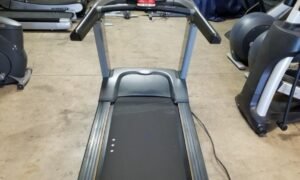
It is January 15th. Your gym is packed with New Year’s resolution members. This is the most critical time for impressing new sign-ups. Suddenly, three of your ten treadmills go down because of worn motor brushes that weren’t checked during the slow season.
- The Result: Wait times for cardio skyrocket. New members feel crowded and unable to complete their workouts. They decide the gym is “too busy” and cancel before February. You lose the Life Time Value (LTV) of those members, which could be thousands of dollars per person.
Scenario 2: The Boutique Studio
You run a high-end cycling studio with 30 bikes. You charge a premium per class. Two bikes have resistance knob issues, and three have loose pedals. You don’t mark them “out of order” because you need the spots for a sold-out class.
- The Result: Five riders have a terrible experience. The resistance doesn’t work, ruining their workout data, or the pedals wobble, causing discomfort. They feel cheated out of their class fee. They don’t book again. In a boutique model, where community and quality are paramount, this loss of trust is devastating.
Solutions: How to minimize Downtime and Protect Revenue
The good news is that equipment failure is largely manageable. You cannot prevent every breakdown, but you can drastically reduce the frequency and duration of downtime.
1. Implement a Preventive Maintenance Program
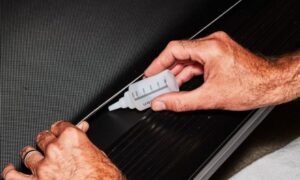
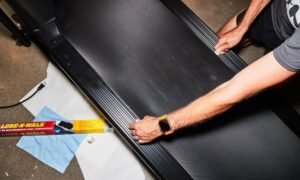
The most effective way to combat downtime is to catch issues before they break the machine. Preventive maintenance involves regularly scheduled inspections, cleaning, and tuning of your equipment.
Think of it like an oil change for a car. You don’t wait for the engine to seize up before adding oil. Similarly, you shouldn’t wait for a cable to snap before inspecting it. A professional maintenance technician can spot a fraying belt or a dry bearing months before it causes a failure.
Benefits of Preventive Maintenance:
- Extended Equipment Lifespan: Regular lubrication and adjustment reduce wear and tear, meaning you don’t have to replace expensive machines as often.
- Budget Predictability: It is easier to budget for a monthly maintenance contract than for a sudden $3,000 emergency repair.
- Safety Assurance: Documented maintenance logs prove you are diligent about safety, which is crucial for liability protection.
2. Prioritize Fast, Professional Service
When a machine does break, speed is of the essence. You need a repair partner who understands the urgency of commercial gym operations. Waiting three weeks for a technician to show up is unacceptable in this industry.
Look for local New Jersey repair services that specialize in commercial fitness equipment. Local providers can often offer faster turnaround times than national chains because they are in your area and understand the local logistics.
3. Communicate Transparency with Members
If a popular machine breaks, communicate with your members immediately. Place a clear “Out of Order” sign that includes an estimated repair date. This transparency manages expectations.
“Parts ordered, estimated repair: Thursday” is much better than a vague “Out of Order” sign that stays up for a month. It shows you are actively handling the situation.
4. Keep a Small Inventory of Wear Items
For high-use items, consider keeping a small stock of common replacement parts. Having spare carabiners, selection pins, or pedal straps on hand can turn a potential week-long downtime into a five-minute fix. Ask your repair technician which parts fail most frequently on your specific models and stock up on the basics.
Investing in Uptime is Investing in Growth
Every hour a machine sits broken is an hour it isn’t generating value for your members. In the tight margins of the fitness industry, maximizing the utility of your square footage is essential.
The “equipment downtime impact on gyms” is a metric you should track just as closely as your sales numbers. By shifting your mindset from reactive repairs to proactive maintenance, you protect your revenue, enhance member satisfaction, and build a reputation as a top-tier facility.
Don’t let broken equipment define your business. Take control of your gym’s operations and ensure your members always have the high-quality experience they pay for.
Ready to Eliminate Downtime?
Is your gym suffering from lingering equipment issues? Do you need a reliable partner to keep your facility running at peak performance?
NJ Fitness Equipment Repair specializes in keeping New Jersey’s commercial gyms and studios fully operational. From emergency repairs to comprehensive preventive maintenance plans, we ensure your equipment works as hard as your members do.