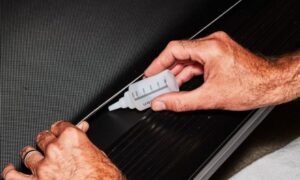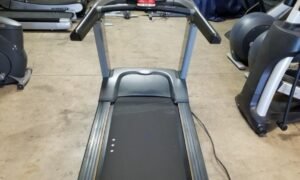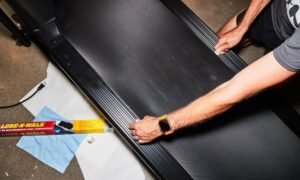
DIY gym equipment repair is frequently motivated by a need for cost-effective solutions and a hands-on approach to fitness maintenance. Enthusiasts may find empowerment in independently troubleshooting and resolving issues. DIY repairs, for example, can address a loose treadmill belt or incorrect elliptical resistance. Many people have successfully tightened bolts, replaced worn-out parts, or re-calibrated settings, giving them a sense of accomplishment. These anecdotal victories fuel motivation to tackle minor issues, reinforcing the DIY mindset in the fitness community that seeks self-sufficiency in equipment maintenance.
That is why Seeking professional assistance for gym equipment repair provides unmatched benefits, primarily based on expertise and precision. Professionals bring specialized knowledge and experience to the table, ensuring an accurate diagnosis and effective solutions. This knowledge is essential when dealing with intricate mechanisms, electronics, and structural problems in fitness equipment. Their expertise reduces the possibility of misdiagnosis or incomplete repairs, promoting long-term functionality. In the fitness industry, where equipment precision is critical, relying on professionals ensures a comprehensive resolution, giving users peace of mind and a smooth return to their workout routines.
DIY Gym Equipment Repair or Professional Assistance
| Pros | Cons | |
| DIY Repairs |
|
|
| Professional Services |
|
|
How To Determine the Right Approach
When determining whether to tackle fitness equipment repairs on your own or seek professional assistance, several factors come into play. Assess the complexity of the issue; simple fixes like belt replacements or tightening screws are suitable for a DIY approach, while intricate electrical problems or major component failures may require professional help.
Also, consider your skill level & if you’re comfortable with tools and have basic mechanical skills, a DIY attempt might be feasible; otherwise, it’s wise to opt for professional assistance. Factor in your budget, weighing the costs of parts, tools, and your time against professional service fees. Additionally, assess the urgency of the situation; if you need a quick fix to maintain your workout routine, professional service, despite potential wait times, might be the more practical choice.
Additional Tips for Fitness Equipment Repairs – (DIY VS Professional)
Refer to Your Equipment Manual – Before embarking on a DIY repair journey, consult your equipment manual for manufacturer-specific guidance. Supplement your knowledge by exploring online tutorials that provide step-by-step instructions tailored to your fitness gear.
Use Appropriate Tools and Parts – Ensure that you employ tools and replacement parts specifically designed for your equipment. Using the correct components is crucial to prevent unintended damage and complications during the repair process.
Prioritize Safety – Safety should always be the top priority. Refrain from working on electrical components or attempting modifications beyond your skill level. If in doubt, seek professional assistance to avoid potential hazards.
Collect Repair Services Reviews – If opting for professional repair services, gather quotes from multiple providers before making a decision. This allows you to compare costs and select a service that aligns with your budget and repair requirements.
Explore Service Contracts – For long-term equipment care, consider service contracts that offer preventive maintenance and discounted repair services. These contracts can provide peace of mind and ensure your fitness equipment remains in optimal condition.
Integrating these additional tips into your approach to fitness equipment repairs will enhance the effectiveness of your DIY efforts or help you make informed decisions when seeking professional assistance. Remember, a well-maintained fitness setup contributes to a smoother and more enjoyable workout experience.
Conclusion – Gym Equipment Repair DIY VS Professional
Choosing between DIY repairs and professional services for your gym equipment depends on various factors. Also, by carefully evaluating the complexity of the issue, your skillset, budget, and urgency, you can make the most informed decision. Remember, prioritizing safety and seeking professional help when necessary ensures the proper repair of your equipment, protecting your investment, and preventing further problems down the road.