Any gym would be incomplete without cardio equipment, which gives consumers access to machines like rowing machines, ellipticals, stationary bikes, and treadmills that are necessary for cardiovascular workouts. For your investment to last as long as possible and work as well, you must maintain your cardio equipment, whether you own a commercial gym or a home gym. This post will discuss maintenance strategies that can help you keep your cardio equipment in optimal shape for many years to come.
-
Create a Regular Cleaning Schedule
Maintaining the cleanliness of your cardio equipment is essential to avoiding the accumulation of perspiration, grime, and bacteria. Establish a cleaning plan and remind users to use a mild detergent solution or disinfectant wipes to clean appliances after each usage. High-touch surfaces like handles, consoles, and seats should receive extra care because they are common places for viruses to proliferate. To keep your equipment looking nice and hygienic while also removing dirt and grime from difficult-to-reach places, plan regular deep cleaning sessions.
-
Oil the Moving Components
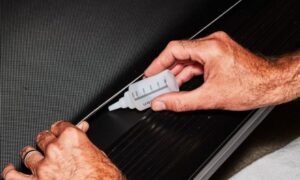
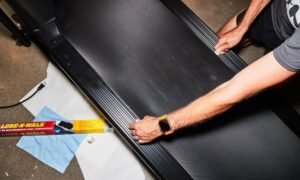
Cardio equipment, such as stationary bikes, ellipticals, and treadmills, has moving parts that need to be lubricated for them to function properly. These components may wear down due to friction from continuous usage over time, which could result in increased resistance, noise, and possible damage. For lubrication requirements and intervals, consult the manufacturer’s guidelines. Use a premium lubricant that is appropriate for use with exercise equipment. To guarantee optimum performance and longevity, lubricate important parts including bike pedals, elliptical rails, and treadmill belts to the manufacturer’s instructions.
-
Carry Out Continual Inspections
It’s critical to conduct routine checks on your cardio equipment to spot wear and tear issues before they become more serious problems. Check for worn-out belts or chains, loose bolts, broken pedals or footrests, and strange noises or vibrations coming from the machine while it’s operating. Resolve any problems right away by replacing worn parts, tightening nuts, and scheduling repairs as necessary. Regular inspections help you identify issues early and stop more damage, keeping your equipment safe and operational for users.
-
Carry out preventative upkeep
To keep your cardio equipment in optimal shape, carry out preventive maintenance chores in addition to routine cleaning and inspections. For maintenance procedures, such as belt tension adjustments, alignment checks, and electronic calibration, refer to the manufacturer’s instructions. Plan regular preventative maintenance to address deterioration, swap out worn-out parts, and guarantee the general integrity of your equipment. By devoting time and energy to preventive maintenance, you can extend the lifespan of your cardio equipment and avoid expensive repairs and downtime in the future.
-
Guard Against Outside Influences
Dust, humidity, and temperature changes are examples of environmental elements that might affect the functionality and longevity of your cardio equipment. Place your equipment in a clean, dry area away from moisture, direct sunshine, and extremely high or low temperatures to guard against these elements. If you want to safeguard machines from dust, dirt, and possible damage, think about purchasing equipment covers or protective mats. To further maintain the condition of your equipment and provide users with a comfortable and conducive workout environment, utilize fans or air conditioning to control the temperature and humidity levels in your gym.
-
Teach Users How to Use Equipment Properly
To safeguard user safety and save needless wear and tear, proper equipment use is crucial. Teach customers or gym goers the proper way to operate cardio equipment, including posture, technique, and safety measures. Give detailed instructions and walkthroughs on how to use the console’s capabilities, change settings, and keep appropriate forms while working out. To lessen the strain on the equipment and avoid injuries, encourage users to warm up and cool down briefly before and after their activities. By encouraging appropriate equipment use, you may reduce damage and increase the life of your cardio equipment.
-
Make an Expert Servicing Invest
Even with your best efforts, some maintenance jobs are better left to the pros. Plan for routine expert servicing of your cardiac equipment to handle more complicated problems and guarantee complete maintenance. Skilled technicians possess the ability to recognize and resolve issues that would go undetected to the uninformed eye, such as electronic malfunctions, structural damage, or motor failures. Professional servicing could also be necessary to adhere to industry regulations or preserve warranty coverage. You can guarantee your cardio equipment’s lifetime, performance, and safety by investing in skilled servicing.
Maximizing the lifespan of your cardiac equipment and guaranteeing its continuous functionality and safety depends on proper maintenance. You can prolong the life of your cardio machines and maximize their performance for years to come by establishing a regular cleaning schedule, lubricating moving parts, carrying out routine inspections, performing preventive maintenance, guarding against environmental factors, training users on proper equipment use, and spending money on professional servicing. Recall that making the time and effort to maintain your equipment now will pay you in the form of lower repair costs, less downtime, and happy users getting their exercises in on well-maintained gear.