
Owning a gym in New Jersey means dealing with a climate that swings wildly. One month you are battling high humidity and heat waves; a few months later, you are dealing with dry, freezing air and salt tracked in from snowy parking lots.
These environmental changes don’t just affect your heating bill—they wreak havoc on your fitness equipment.
A “set it and forget it” approach doesn’t work here. To protect your investment and keep members safe, you need a proactive strategy that shifts with the weather. This guide breaks down seasonal gym equipment maintenance specifically for the unique challenges of the Garden State.
Why Seasons Matter for Gym Equipment
Most gym owners understand that machines need oiling and cleaning. However, fewer realize that the frequency and type of maintenance should change throughout the year.
New Jersey’s climate creates a specific cycle of wear and tear:
- Winter: Dry air causes static electricity build-up, frying electronics. Salt and grit destroy treadmill belts.
- Spring: Fluctuating temperatures can cause condensation and rust.
- Summer: High humidity swells decks and causes belts to slip. Sweat production increases, accelerating corrosion.
- Fall: The heavy usage season begins as people move workouts indoors, putting mechanical stress on motors.
By aligning your maintenance schedule with the calendar, you can prevent expensive breakdowns before they happen.
Winter: Battling Static and Salt (December – February)
New Jersey winters are tough on equipment. The biggest enemy isn’t the cold itself, but what comes with it: dry air and road salt.
When the heater cranks up, humidity drops. This creates the perfect environment for static electricity. A single static discharge from a user to a treadmill console can short out the lower control board or the display itself. Furthermore, members track in rock salt and slush, which acts like sandpaper on moving parts.
Winter Maintenance Checklist
Cardio Equipment (Treadmills, Ellipticals)
- Install Anti-Static Measures: Use anti-static mats under all treadmills. Consider using an anti-static spray on carpets surrounding the equipment.
- Vacuum Motor Compartments: Dust accumulation combined with dry air is a fire hazard. Vacuum motor compartments weekly to prevent overheating.
- Deep Clean Decks: Salt crystals brought in on sneakers will grind away the walking belt and deck. Wipe down the sides of the walking belt daily.
- Check Power Cords: Cold temperatures can make older power cords brittle. Inspect for cracks to prevent electrical shorts.
Strength Equipment
- Lubricate Guide Rods: Dry air can make lubricants tacky or dry them out completely. Clean off old grease and apply fresh silicone or Teflon-based lubricant.
- Inspect Cables: Cold metal is more prone to snapping if it’s already fatigued. Check cable coatings for cracks.
Facility Tips
- Monitor Humidity: Keep indoor humidity between 40-60%. You may need commercial humidifiers to protect electronic consoles.
- Entrance Matting: Double up on walk-off mats at the entrance to trap salt before it reaches the gym floor.
Spring: Prep for the “Summer Body” Rush (March – May)
Spring in New Jersey is unpredictable. It might be 70 degrees one day and freezing the next. This fluctuation causes expansion and contraction in metal parts and bolts. This is also the time when gym traffic spikes as people scramble to get in shape for the Jersey Shore season.
Your focus here is tightening, aligning, and inspecting for structural integrity before the peak usage hits.
Spring Maintenance Checklist
Cardio Equipment
- Calibrate Incline Motors: After a long winter of heavy use, incline sensors often drift. recalibrate treadmills to ensure elevation readings are accurate.
- Tighten Hardware: Temperature shifts loosen bolts. Check all assembly bolts on uprights, consoles, and handrails.
- Inspect Pedals and Cranks: On spin bikes and ellipticals, check the crank arms. Looseness here can strip the threads, requiring expensive part replacements.
Strength Equipment
- Upholstery Check: Winter coats with zippers may have snagged pads. Repair or replace torn upholstery to prevent bacteria growth in the foam.
- Check Pulleys and Bushings: Listen for squeaking. Spring is the best time to replace worn pulleys before they seize up during the summer rush.
Facility Tips
- AC System Check: Before the first heatwave hits, ensure your HVAC is ready. If your AC fails in May, your equipment will overheat, and your members will leave.
Summer: Managing Humidity and Sweat (June – August)
New Jersey summers are notoriously humid. Moisture is the silent killer of gym equipment. High humidity can cause treadmill decks to swell (wood absorbs moisture), leading to increased friction and blown motors.
Additionally, members sweat significantly more in summer. Sweat is corrosive; it eats through powder coating and rusts metal frames within weeks if not cleaned properly.
Summer Maintenance Checklist
Cardio Equipment
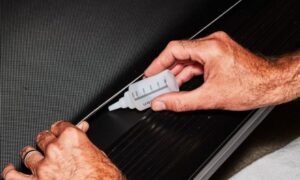
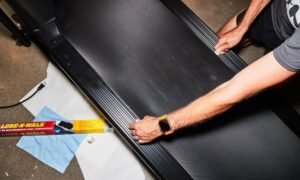
- Wax/Lubricate Decks Frequently: High humidity increases belt friction. Check deck lubrication levels weekly. If the belt feels hot to the touch after use, it needs lubrication immediately.
- Inspect Control Boards for Corrosion: Sweat often drips into the gaps around buttons. Open consoles (with power off) and look for green or white corrosion on the circuit boards.
- Check Belt Tension: Belts can expand slightly in high heat. If a treadmill belt slips when a user plants their foot, tighten it slightly—but do not over-tighten, or you will ruin the roller bearings.
Strength Equipment
- Wipe Down Frames: Salt from sweat causes rust bubbles under the paint. Clean frames with a mild soap solution, not just water.
- Grip Inspection: Sweaty hands make rubber grips slippery. Replace any worn handles to prevent weights from slipping out of users’ hands.
Facility Tips
- Dehumidifiers are Mandatory: If your AC can’t keep up, run industrial dehumidifiers overnight. Rust never sleeps.
- Fan Maintenance: Dust build-up on cooling fans reduces their efficiency. Clean them to keep air moving over your equipment’s motors.
Fall: The “Back to Routine” Reset (September – November)
As summer fades, outdoor runners return to the treadmills, and school sports training begins. Fall is typically your second busiest season. Equipment that survived the summer sweat and humidity needs to be prepped for the heavy mechanical load of winter.
This is the ideal time for a professional preventative maintenance visit to catch major issues before the New Year’s resolution crowd arrives.
Fall Maintenance Checklist
Cardio Equipment
- Replace Belts and Decks: If a deck is pitted or a belt is frayed, change it now. You do not want a machine “Out of Order” in January.
- Test Heart Rate Sensors: Hand grips often corrode over the summer. Clean the contacts or replace the grips if they give erratic readings.
- Battery Replacement: Change batteries in self-powered units (ellipticals, rowers) and consoles to prevent leakage.
Strength Equipment
- Weight Stack Alignment: Ensure guide rods are perfectly vertical. If the building settled or machines were moved, misalignment creates friction and cable drag.
- Inspect Safety Latches: On Smith machines and racks, test all safety stops. They must engage instantly and securely.
Facility Tips
- Floor Inspection: Check rubber flooring for gaps. As temperatures drop, rubber contracts, creating trip hazards. Kick tiles back together or tape them down.
Safety First: A Note on Liability
Seasonal gym equipment maintenance isn’t just about saving money on repairs; it is a critical liability issue.
In New Jersey, negligence lawsuits can be costly. If a cable snaps and injures a member, the first thing legal teams will ask for is your maintenance log.
- Document Everything: Keep a log of every inspection, cleaning, and part replacement.
- Tag It Out: If you find a safety hazard during your seasonal check, remove the equipment from service immediately. Do not wait for a part to arrive while letting members use a compromised machine.
Conclusion
Running a commercial gym in New Jersey requires resilience against the elements. The salt, the humidity, and the temperature swings are constant threats to your bottom line.
By implementing a seasonal maintenance strategy, you extend the life of your fleet, keep trade-in values high, and ensure your members have a safe, smooth workout experience.
Don’t have the time to manage seasonal maintenance yourself?
We specialize in keeping New Jersey gyms running at peak performance. From preventative maintenance contracts to emergency repairs, NJ Fitness Equipment Repair has you covered.