A single neglected treadmill can cost you far more than a repair bill. When belts fray, motors overheat, and cables snap, you face downtime, unhappy members, and safety risks. Fitness equipment preventive maintenance is the practice that stops those failures before they start. We service machines across home gyms, commercial fitness centers, hotels, schools, corporate wellness rooms, and physical therapy clinics, and the pattern is always the same: well-maintained equipment lasts longer, runs safer, and costs less over its lifetime.
Here is what you will take away from this guide:
- What preventive maintenance actually involves
- Why it extends the working life of every machine
- A clear checklist you can follow by interval and equipment type
- When to handle tasks yourself and when to call a technician
What Is Fitness Equipment Preventive Maintenance?
Fitness equipment preventive maintenance is the scheduled cleaning, inspection, lubrication, and adjustment of gym machines to prevent breakdowns and extend equipment lifespan. It follows a fixed maintenance schedule rather than waiting for something to fail.
Definition box
Preventive maintenance: Planned, routine care performed on a set schedule to keep equipment safe and functional.
Reactive maintenance: Repairs made only after a machine breaks or a part fails.
The difference matters. Reactive maintenance means you pay for gym equipment repair only after a failure, often at higher cost and with longer downtime. Preventive maintenance catches wear early, when a five-minute fix replaces a major overhaul.
This applies to every environment. A physical therapy clinic depends on precise resistance for patient safety. A hotel gym needs machines running 24/7 without staff nearby. A university weight room handles hundreds of users a day. In each case, a consistent maintenance schedule keeps equipment reliable and reduces liability.
Why Preventive Maintenance Extends Equipment Life
Machines fail for predictable reasons: friction, dirt, loose hardware, and heat. Preventive maintenance addresses each one before it damages a component.
Here is how routine care protects your equipment:
- Reduced wear and tear. Proper lubrication cuts friction on treadmill decks and belts, so motors work less and last longer.
- Cleaner components. Sweat and dust corrode metal and clog electronics. Regular cleaning gym equipment prevents that buildup.
- Better motor efficiency. A clean, well-adjusted drive system draws less current and runs cooler, which protects the motor.
- Early problem detection. A routine equipment inspection catches a frayed cable or worn bearing before it becomes a safety hazard.
- Protected electronics. Keeping consoles dry and dust-free guards displays, sensors, and circuit boards.
- Consistent performance. Regular calibration keeps resistance, incline, and speed accurate, which matters most in clinical and training settings.
Mini wrap-up: Every task on your maintenance checklist removes one common cause of failure. Do them consistently, and machines that typically last 7 to 10 years often reach the upper end of that range.
How We Perform Fitness Equipment Preventive Maintenance
Our fitness equipment preventive maintenance process follows the same repeatable steps on every machine, so nothing gets skipped:
- Inspect the frame, hardware, cables, and belts for wear or damage.
- Clean surfaces, tracks, and internal components.
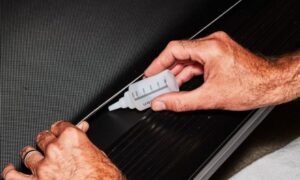
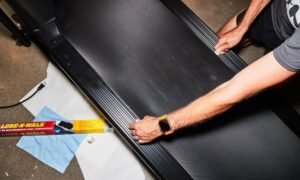
- Lubricate decks, chains, and moving parts using manufacturer-approved products only.
- Tighten bolts, pedals, and fasteners to spec.
- Calibrate speed, incline, and resistance where applicable.
- Test each function and log the results.
We follow the manufacturer maintenance manual for each unit, because service intervals and approved lubricants vary by brand and model.
Benefits of Routine Maintenance
Routine equipment maintenance delivers returns you can measure. Here is what consistent care protects:
- Longer equipment lifespan. Machines reach or exceed their expected service life.
- Lower repair costs. Small fixes replace expensive fitness machine repair.
- Fewer breakdowns. Scheduled care reduces surprise failures and downtime.
- Improved user safety. Sound cables, belts, and frames lower the risk of injury.
- Better member satisfaction. Working equipment keeps members renewing.
- Higher uptime. More machines available means fewer complaints.
- Better return on investment. You get full value from your purchase.
- Higher resale value. Documented maintenance records raise the price when you upgrade.
Organizations like the Health & Fitness Association (formerly IHRSA) and the American College of Sports Medicine (ACSM) both point to equipment upkeep as part of safe, professional facility operation. OSHA guidance also treats well-maintained equipment as a workplace safety matter in staffed facilities.
Preventive Maintenance Checklist
Use this maintenance schedule as a starting point. Always defer to your manufacturer maintenance manual when intervals differ.
| Interval | Treadmills | Ellipticals | Exercise Bikes | Rowers | Strength Machines | Functional Trainers |
| Daily | Wipe belt & console | Wipe handles & rails | Wipe seat & console | Wipe seat & rail | Wipe pads & grips | Wipe handles & pads |
| Weekly | Check belt alignment | Check pedal straps | Check pedal tightness | Clean seat track | Inspect cables | Inspect cables & pulleys |
| Monthly | Inspect belt wear, vacuum motor area | Lubricate joints, check rollers | Lubricate chain/belt, test resistance | Inspect chain/bungee | Check weight stack, lube guide rods | Lubricate guide rods, test glides |
| Quarterly | Lubricate deck, check tension | Tighten hardware, inspect bearings | Calibrate resistance | Inspect damper, tighten bolts | Inspect frame welds, tighten bolts | Inspect frame, tighten hardware |
| Annually | Full inspection & calibration | Full inspection, replace worn parts | Full service & calibration | Full inspection | Replace worn cables | Full inspection & recalibration |
Mini wrap-up: Daily and weekly tasks take minutes and prevent most problems. Quarterly and annual service is where a qualified technician adds the most value.
Signs Your Fitness Equipment Needs Immediate Maintenance
Some symptoms mean stop using the machine now. Watch for these warning signs during any equipment inspection:
- Strange noises such as grinding, squealing, or knocking
- Belt slipping or hesitating on treadmills
- Error codes on the console
- Loose bolts or wobbling frames
- Excessive vibration during use
- Resistance problems that feel uneven or wrong
- Display issues like flickering or blank screens
- Frayed cables on strength or functional equipment
- Worn belts showing cracks or thinning
- Burning smells from the motor or drive area
A burning smell or a frayed cable is an immediate stop. Tag the machine out of service and schedule gym equipment repair before anyone uses it again.
DIY Maintenance vs Professional Service
You can handle a meaningful share of maintenance in-house. Knowing the line between the two keeps your warranty valid and your users safe.
Tasks owners and staff can safely do:
- Cleaning consoles, belts, pads, and rails daily
- Tightening visible hardware like pedals and handrails
- Visual inspections for frayed cables, cracks, and wear
- Lubrication of treadmill decks, but only when the manual recommends it and only with the approved product
When to call a professional technician:
- Motor, drive, or electrical faults
- Calibration of speed, incline, or resistance
- Persistent error codes
- Cable and bearing replacement
- Any work covered by warranty terms
- Annual full-service inspections
If a task requires opening the motor housing or diagnosing electronics, call a qualified technician. We carry the correct parts, follow manufacturer specs, and document every service for your records.
Common Preventive Maintenance Mistakes
Even well-run facilities make these errors. Avoiding them protects your equipment and your budget.
- Ignoring the manufacturer schedule. Every manual lists specific service intervals. Skipping them voids warranties and shortens lifespan.
- Over-lubricating. Too much lubricant attracts dust and gums up belts. Follow the recommended amount exactly.
- Using incorrect cleaners. Harsh chemicals damage upholstery and consoles. Use manufacturer-approved cleaners only.
- Skipping inspections. A missed frayed cable becomes a safety incident.
- Delaying repairs. A small issue left alone turns into an expensive fitness machine repair.
- Using non-approved replacement parts. Off-brand parts often fail early and can void coverage.
Mini wrap-up: Most costly failures we see trace back to one of these six habits. Fix them and you protect both safety and spend.
Frequently Asked Questions
What is fitness equipment preventive maintenance?
It is the scheduled cleaning, inspection, lubrication, and calibration of gym machines to prevent breakdowns. Following a set maintenance schedule keeps equipment safe, reliable, and functional for longer than reactive repair-only approaches.
Why is preventive maintenance important?
Preventive maintenance catches wear before it causes failure. It reduces repair costs, improves user safety, cuts downtime, and extends equipment lifespan, which protects your investment across any gym environment.
How often should fitness equipment be serviced?
Perform daily cleaning and weekly checks in-house. Schedule professional service quarterly for heavy-use commercial equipment and at least annually for lighter-use machines. Always follow your manufacturer maintenance manual for exact intervals.
What equipment requires routine maintenance?
All fitness equipment needs care. This includes treadmills, ellipticals, exercise bikes, rowers, strength machines, and functional trainers. Cardio equipment maintenance and strength equipment maintenance both prevent costly failures.
Can preventive maintenance reduce repair costs?
Yes. Catching small issues early replaces expensive repairs and full part replacements. Regular treadmill maintenance and cable inspection prevent the major failures that drive the highest gym equipment repair bills.
Does maintenance improve safety?
Yes. Routine equipment inspection finds frayed cables, worn belts, and loose hardware before they cause injury. ACSM, OSHA, and industry bodies treat equipment upkeep as a core part of safe facility operation.
What maintenance can owners perform themselves?
Owners can clean equipment daily, tighten visible hardware, run visual inspections, and lubricate treadmill decks when the manual recommends it. Leave electrical, motor, and calibration work to a technician.
When should a professional technician be called?
Call a technician for motor faults, electrical issues, persistent error codes, calibration, cable replacement, and annual full-service inspections. Any work involving internal components or warranty terms needs a qualified professional.
How do I know if my treadmill belt needs replacing?
Look for cracks, thinning, fraying edges, or slipping during use. If lubrication and tension adjustment do not fix slipping, the belt likely needs replacement by a technician.
Does preventive maintenance void warranties?
No. Following the manufacturer maintenance schedule protects your warranty. Skipping service, over-lubricating, or using non-approved parts is what typically voids coverage.
Keep Your Equipment Running Longer
Consistent fitness equipment preventive maintenance is the most reliable way to extend equipment lifespan, protect user safety, and lower long-term costs. Clean daily, inspect weekly, follow your manufacturer maintenance schedule, and never ignore the warning signs of wear. The facilities that do this get more years and more uptime from every machine.
Do not wait for a breakdown to act. Schedule a preventive maintenance visit or consult a qualified service technician today, and we will help you build a maintenance plan that keeps your equipment safe, accurate, and ready every day.