
You lace up your running shoes, step onto the deck, and press start. Instead of a smooth, steady warmup walk, you hear a harsh grinding noise and the belt refuses to move. A broken machine quickly derails your workout plans, whether you run in a commercial gym or your garage. Fortunately, understanding the basics of treadmill repair can help you fix minor issues and get back to your routine.
Common Issues and Expert Troubleshooting Steps
Treadmills endure a lot of impact and friction. Over time, parts wear out or shift out of place. Here are the most frequent problems you might encounter and the expert steps to resolve them.
Motor Not Starting
A dead motor often points to a power supply problem rather than a dead drive motor.
How to fix it: First, ensure the power cord is fully plugged into a working outlet. Check the power switch near the cord base and flip it to the “on” position. Many treadmills have a built-in reset button—press it if it has popped out. Finally, check your home’s circuit breaker to make sure you haven’t tripped a switch.
Belt Slipping
If you feel a brief pause or jerk in the belt every time your foot strikes the deck, the running belt is slipping. This usually means the belt is too loose or lacks lubrication.
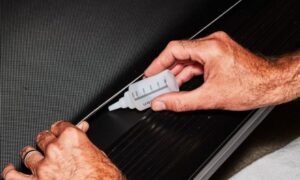
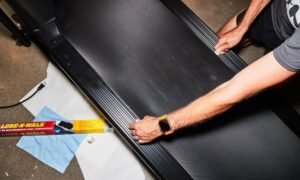
How to fix it: Locate the adjustment bolts at the rear of the treadmill deck. Using an Allen wrench, turn both bolts a quarter-turn clockwise to tighten the belt evenly. Test the tension by walking at a slow speed. Also, check if the deck feels dry. If it does, apply 100% silicone treadmill lubricant underneath the belt.
Speed Sensor Failure
When your treadmill starts but suddenly stops after a few seconds, a faulty speed sensor is a likely culprit. The sensor tells the computer how fast the motor is spinning.
How to fix it: Unplug the machine and remove the motor hood. Locate the small sensor positioned near the front roller pulley. Dust or debris often blocks the sensor’s optical eye. Wipe it gently with a dry, clean cloth. Ensure the sensor aligns properly with the magnet on the pulley wheel.
Display Errors
Blank screens or random error codes prevent you from controlling the machine.
How to fix it: Unplug the treadmill and inspect the wiring harness that connects the console to the lower control board. Disconnect and firmly reconnect the cables, checking for bent pins. If the console takes batteries, swap them out for fresh ones.
When to Call a Professional Technician
While you can handle basic maintenance, some jobs require an expert. You need to call a professional for treadmill repair if you notice any of the following:
- A strong burning smell coming from the motor compartment
- Sparks or smoke while the machine runs
- Visible burn marks on the lower control board
- Loud, persistent knocking noises from the rollers or motor bearings
- Error codes that remain after you follow the manual’s reset instructions
Safety Risks of DIY Repair
Attempting complex repairs without training puts you at significant risk. Treadmills contain high-voltage components, including capacitors on the control board that hold a dangerous electrical charge even after you unplug the machine. Moving parts like heavy rollers and drive belts can easily pinch fingers or catch loose clothing. Furthermore, tinkering with the motor or wiring can void your manufacturer warranty. Always stick to basic maintenance and leave internal electrical work to the pros.
Technician Insights and Maintenance Advice
Certified fitness equipment technicians agree on one fundamental truth: neglect causes most treadmill failures. Friction is the enemy of any motorized machine. When the belt and deck dry out, friction increases. This forces the drive motor and control board to pull more electricity to keep the belt moving, which eventually burns out the electronic components.
To extend the life of your equipment, technicians recommend a strict lubrication schedule. If you use your machine heavily, lubricate the deck every three months or every 40 hours of use. Additionally, keep your treadmill on a dedicated 20-amp electrical circuit and use a high-quality surge protector. Avoid plugging it into a GFCI outlet, as the treadmill’s normal electrical draw often trips these sensitive circuits.
Conclusion: Prevention Tips
The best approach to treadmill repair is preventing problems before they start. After every workout, wipe down the console, handrails, and belt to remove corrosive sweat. Vacuum around and under the machine weekly to prevent dust and pet hair from getting sucked into the motor compartment. By following a regular maintenance routine, you keep your equipment running smoothly and ensure your workouts stay uninterrupted for years to come.