
You are mid-stride, hitting your peak heart rate, and suddenly—the belt hesitates under your feet. You stumble forward, forced to grab the console handrails just to catch your balance.
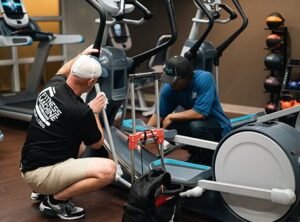
A slipping treadmill belt is much more than just an annoying interruption to your daily run; it is a serious safety hazard. As a certified fitness equipment technician who services commercial and residential treadmills daily, I encounter this specific malfunction all the time. When the running deck loses its traction, it instantly disrupts your natural biomechanics and dramatically increases your risk of sudden falls, twisted ankles, and severe joint strain.
Dealing with treadmill belt slipping is understandably frustrating, but ignoring these early warning signs will only lead to extensive machine damage. Continuing to walk or run on a poorly tensioned belt forces your treadmill’s drive motor and rollers to overcompensate. What starts as a minor tension adjustment quickly spirals into a costly motor replacement if left unchecked.
Timely repair is absolutely critical for both your personal safety and the lifespan of your machine. Let’s break down exactly why your walking belt is losing its grip and how you can properly fix the problem.
What Causes a Treadmill Belt to Slip?
When I get called out for a treadmill belt repair, my diagnostic process always starts with six common culprits. Understanding these mechanical failures helps you pinpoint the exact reason behind your treadmill belt slipping.
Loose Belt Tension
Every time your foot strikes the deck, you apply a massive amount of stopping force. Over hundreds of miles, your walking belt naturally stretches. If the belt tension drops too low, the front roller will keep spinning while the belt temporarily halts under your weight, creating a dangerous hesitation.
Lack of Lubrication
Friction is your treadmill’s biggest enemy. The underside of your belt requires regular silicone lubrication to glide smoothly across the running deck. When this lubricant dries out, the belt grabs the deck too tightly. This creates severe drag that forces the entire drive system to slip.
Improper Installation or Alignment
If your walking belt is not perfectly centered, it will physically rub against the side rails or footpads. This constant side-friction causes a stuttering, slipping sensation and leads to rapid, uneven wear across the fabric.
Motor or Drive Belt Issues
Sometimes, the walking belt itself is perfectly fine. The actual problem lies hidden beneath the motor hood. A worn, cracked, or improperly tensioned drive belt—the smaller, grooved belt connecting the drive motor to the front roller—will slip against the pulleys, making it feel like the main running deck is giving way.
Worn-Out Rollers
The front and rear rollers tension and guide your belt. If the internal roller bearings fail, or if the external grip surface wears completely smooth over years of use, the rollers lose their mechanical grip on the belt material.
Heavy or Uneven Usage
Consistently pushing a treadmill beyond its specific weight capacity, or subjecting a light-duty household machine to intense daily marathon training, dramatically accelerates component stretching. This heavy usage prematurely weakens the belt fibers and strains the motor.
How to Fix a Slipping Treadmill Belt (Step-by-Step Guide)
Before you call for a professional treadmill belt repair, there are several troubleshooting steps you can safely perform at home. As a technician, I always follow this exact diagnostic sequence to fix a treadmill belt slipping under load. Grab an Allen wrench set and let’s get to work.
Step 1: Turn off and unplug the machine
Safety always comes first in any repair job. Never work on moving parts while the treadmill connects to power. Turn off the main power switch near the front base, then physically unplug the machine from the wall outlet to eliminate the risk of accidental startups.
Step 2: Check belt alignment
Take a close look at your walking belt. It should sit perfectly centered on the running deck. If it shifts too far left or right, it will rub against the side rails, causing severe mechanical drag. Center the belt using the rear roller bolts before making tension adjustments.
Step 3: Adjust rear roller bolts
This is the most frequent fix for a treadmill belt slipping. Locate the two tension bolts at the back of the treadmill deck. Using your Allen wrench, turn both the left and right bolts clockwise exactly one-quarter turn. Expert advice: Never over-tighten these bolts. Adding too much tension stretches the belt seams and destroys roller bearings.
Step 4: Inspect lubrication levels
Slide your hand underneath the center of the walking belt. The deck should feel slightly slick to the touch. If it feels completely dry, extreme friction is likely causing your drive system to stall. Apply a 100% silicone treadmill lubricant laterally across the deck.
Step 5: Tighten drive belt if needed
If the main walking belt feels appropriately tight but the machine still hesitates under footstep impact, the issue likely hides under the motor hood. Remove the front cover and inspect the small, grooved drive belt connecting the motor pulley to the front roller. If it deflects more than half an inch when pressed, adjust the motor bracket to tighten it.
Step 6: Test the treadmill at low speed
Replace the motor hood, plug the machine in, and start it at a very low speed—around 1 to 2 mph. Walk on the deck with heavy, deliberate steps, intentionally trying to make the belt hesitate safely. If the deck holds firm under your stride, you have solved the problem. If the stuttering continues, give the rear roller bolts one final quarter-turn.
When DIY Fixes Are NOT Enough
As a technician, I always encourage basic maintenance, but knowing when to step back is vital for your personal safety. Sometimes, a slipping belt points to severe mechanical or electrical failures that require specialized tools and diagnostic expertise.
If you notice a burnt smell or hear unusual grinding noises while the machine is running, stop your workout immediately. These are classic signs of motor failure or dangerous electrical issues. Continuing to use the machine under these conditions can spark an electrical fire or completely fry your lower control board.
Likewise, pay close attention to persistent slipping after adjustment. If you have properly tensioned the rollers and lubricated the deck, but the belt still hesitates under your feet, do not just keep tightening the bolts. You are likely dealing with deep structural wear, such as a cracked running deck, failing internal roller bearings, or a dying drive motor.
Tackling these complex repairs without proper training often causes more expensive damage. When you hit this wall, it is time to bring in an expert. I strongly recommend searching for a reputable treadmill service near me so a certified technician can safely resolve these critical hardware failures.
Professional Treadmill Repair vs DIY
As a technician, I completely understand the appeal of tackling a treadmill belt repair yourself to save on immediate service costs. However, you must carefully weigh that upfront cost difference against the potential safety risks and the long-term reliability of your equipment.
DIY fixes are fantastic for basic, routine maintenance like applying silicone lubrication or making minor belt tensioning adjustments. But once you move past simply turning an Allen wrench, the tools required and the necessary technical knowledge scale up rapidly. Improperly diagnosing a slipping belt often leads users to overtighten components, which quickly destroys expensive roller bearings or burns out the main drive motor.
Professional technicians bring specialized diagnostic equipment, multimeter testing tools, and years of hands-on expertise directly to your home gym. We know exactly how to calibrate belt tension and tracking to strict manufacturer specifications, ensuring your treadmill operates safely for years.
If you face persistent slipping, structural wear, or electrical issues, the DIY route becomes a genuine safety hazard. In these scenarios, searching for a reputable treadmill service near me guarantees the job gets done correctly, ultimately protecting both your joints and your wallet in the long run.
How to Prevent Treadmill Belt Slipping
As a technician, I constantly remind my clients that the best repair is the one you never actually need. Preventing a treadmill belt slipping mid-run comes down to building a few simple, consistent maintenance habits.
Lubricate the belt regularly
Friction destroys treadmills. Apply a 100% silicone lubricant beneath the walking belt every three to six months, depending on your usage. This keeps the deck slick and protects your drive motor.
Perform weekly alignment checks
Take a quick look at your belt tracking once a week. Catching a slight drift early prevents the edges from fraying and keeps tension completely even across the rollers.
Keep the deck clean
Vacuum around and under the machine every month. Dust and pet hair quickly build up on the rollers, destroying their mechanical grip and forcing the fabric to slide.
Avoid overloading the motor
Always respect the manufacturer’s maximum weight capacity. Additionally, never start the treadmill while standing on the belt. Straddle the side rails, turn the machine on, and step onto the moving deck.
Schedule annual servicing
Book a professional tune-up once a year. A certified technician will catch stretched belts and failing bearings long before they compromise your safety.
Conclusion
A slipping treadmill belt usually comes down to loose tension, dried-out lubrication, or poor alignment. Most times, a quick adjustment to the rear roller bolts and a fresh coat of silicone will get your deck moving smoothly again.
However, you should never wait until you stumble to check your machine. Routine maintenance protects your expensive drive motor from burning out and extends the life of your entire setup.
If you have tried these basic troubleshooting steps and your walking belt still hesitates under your feet, do not push your luck. Deep structural issues or complex electrical faults require a professional treadmill belt repair to guarantee your safety.
Listen to what your machine is telling you. Take care of your equipment with regular tune-ups, know exactly when to call a certified technician, and your treadmill will safely support your daily miles for years to come.