
Imagine this: you are halfway through an intense run, hitting your stride, when your treadmill suddenly stops. Or worse, the belt slips under your feet, nearly throwing you off balance. These frustrating scenarios happen more often than you might think. Whether you run in a home setup or manage a busy commercial gym, fitness equipment endures serious wear and tear over time.
Ignoring these warning signs often leads to severe machine failure. That is exactly why understanding these mechanical hiccups—and knowing when to call professional treadmill repair services—is vital for your safety and your wallet. In this guide, we break down the most frequent malfunctions and reveal how certified professionals diagnose and resolve them.
Quick Overview: The Top 7 Treadmill Problems
If you want a fast diagnosis, here are the seven most common issues that plague treadmills:
- The treadmill will not start or turn on.
- The running belt slips, sticks, or sits off-center.
- A distinct burning smell comes from the motor area.
- The machine makes loud grinding or squeaking noises.
- The display console fails to respond or shows error codes.
- The machine experiences sudden, unexpected speed changes.
- The incline mechanism gets stuck or stops functioning completely.
The Top 7 Treadmill Problems Explained
Problem #1: Treadmill Not Working (Won’t Start)
Symptoms: You plug the machine in, flip the power switch, and nothing happens. The screen stays dark, and the motor remains silent.
Causes: When a treadmill is not working entirely, the culprit usually traces back to electrical flow. This includes tripped circuit breakers, blown internal fuses, frayed power cords, or a faulty safety key mechanism.
How Certified Technicians Fix It:
Technicians begin by testing the outlet voltage to rule out household power issues. Next, they use a multimeter to check the machine’s internal fuses and wiring harness. If the safety key contact points are corroded, they will clean or replace the console switch. Furthermore, technicians ensure all internal ground wires are secure to prevent future power surges.
Pro Tip: Always plug your treadmill into a dedicated circuit with a high-quality surge protector to prevent electrical damage.
Problem #2: Treadmill Belt Slipping or Misaligned
Symptoms: The running belt hesitates or slips when your foot plants. Alternatively, you might notice the belt folding up against one side of the deck.
Causes: Treadmill belt issues stem from improper tension, an unlevel floor, or excessive friction due to a lack of lubrication. Worn drive belts connecting the motor to the front roller can also cause a slipping sensation.
How Certified Technicians Fix It:
A professional will first evaluate the deck’s level and adjust the rear roller bolts to properly align the belt. They will measure the tension to ensure it is neither too tight (which burns out the motor) nor too loose (which causes slipping). If the belt is glazed or frayed, they will install a replacement and calibrate the tracking.
Pro Tip: Do not over-tighten the belt to stop a slip. Over-tightening damages the roller bearings and stresses the motor.
Problem #3: Burning Smell From the Motor
Symptoms: A distinct acrid or burning rubber smell fills the room shortly after you start your workout.
Causes: This usually indicates severe friction between the belt and the deck, forcing the motor to overwork and overheat. Short-circuiting wiring or dust buildup inside the motor casing can also cause this alarming scent.
How Certified Technicians Fix It:
Technicians immediately power down the unit and remove the motor hood. They vacuum out accumulated dust, pet hair, and debris. Then, they run an amp-draw test to see how hard the motor is working. If the deck is heavily worn, they will replace the walking belt and deck surface. If the motor coils are scorched, they will install a new motor unit.
Pro Tip: Keep pets away from your equipment, as pet hair is a primary cause of clogged treadmill motors.
Problem #4: Loud Noises During Operation
Symptoms: You hear loud squeaks, grinding, or thumping sounds that match the rhythm of the belt or motor.
Causes: Grinding typically points to failing roller bearings. Squeaking often indicates a dry walking deck, while rhythmic thumping usually means debris is stuck on the rollers or the drive belt is failing.
How Certified Technicians Fix It:
Professionals isolate the noise by running the machine without a load. They will inspect the front and rear rollers, replacing them if the bearings are shot. In addition, they check the motor mount and drive belt for structural integrity, tightening loose hardware that causes vibration rattles.
Pro Tip: Listen to your machine. A quiet hum is normal; aggressive grinding means you should stop using the treadmill immediately.
Problem #5: Display/Console Not Responding
Symptoms: The machine powers on, but the buttons do not work. The screen might display partial numbers, flash error codes, or freeze entirely.
Causes: Sweat corrosion on the membrane keypad, loose communication cables connecting the console to the lower control board, or static electricity discharge.
How Certified Technicians Fix It:
A technician checks the communication cable running up the treadmill mast for pinches or breaks. They will use diagnostic tools to read specific error codes, which tell them exactly which microchip or sensor is failing. If sweat has ruined the keypad, they replace the upper console board.
Pro Tip: Wipe down your console with a dry microfiber cloth after every workout to prevent sweat from seeping into the electronics.
Problem #6: Sudden Speed Changes
Symptoms: The treadmill randomly accelerates or decelerates without you touching the speed controls, creating a major safety hazard.
Causes: A faulty optical speed sensor, a failing lower control board, or a deteriorating motor control unit (MCU) that misinterprets signals.
How Certified Technicians Fix It:
Because this is a serious safety risk, technicians handle it with extreme care. They inspect the speed sensor located near the motor flywheel, cleaning away dust and ensuring it is properly aligned. If the sensor is clean but the issue persists, they use a multimeter to test the lower control board and replace it if the voltage output fluctuates.
Pro Tip: Never ignore sudden speed changes. Unplug the machine immediately until a professional evaluates it.
Problem #7: Incline Not Functioning
Symptoms: The machine stays flat even when you press the incline up button, or it gets stuck at the maximum incline level.
Causes: The elevation motor has burned out, the incline gears are stripped, or the calibration software has glitched.
How Certified Technicians Fix It:
Technicians first attempt a factory recalibration sequence to reset the software limits. If the machine remains stuck, they inspect the elevation motor. They will check for mechanical binds in the lift frame and test the electrical signals sent to the incline motor, replacing the actuator if it has mechanically failed.
Pro Tip: Do not manually force the treadmill deck down if it is stuck in the raised position, as this will snap the lift gears.
When to Call Professional Treadmill Repair Services
While you can handle basic cleaning, you should never ignore certain warning signs. If you smell burning, experience sudden speed changes, or hear metal-on-metal grinding, stop using the machine.
Attempting DIY repairs on complex electrical issues or motor controllers presents serious shock hazards and can void your manufacturer warranty. Therefore, hiring professional treadmill repair services is the safest route. Technicians carry specialized diagnostic tools and possess the training to fix the root cause of the problem, rather than just patching the symptom.
Preventive Maintenance Tips
Regular upkeep dramatically extends the life of your equipment. Follow these practical steps to keep your machine running smoothly:
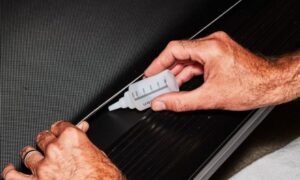
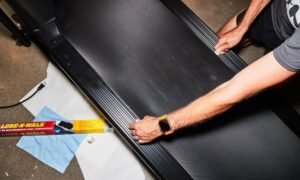
- Regular Lubrication: Apply 100% silicone treadmill lubricant under the walking belt every three to six months to reduce friction.
- Belt Alignment Checks: Visually inspect the belt weekly to ensure it runs parallel to the side rails.
- Cleaning and Dust Prevention: Vacuum the floor around and under the treadmill frequently. Remove the motor hood once a year to carefully vacuum out internal dust.
- Scheduled Servicing: Book an annual preventive maintenance check with a certified technician, especially for commercial gym equipment.
Why Choose Certified Technicians
When you hire certified professionals, you gain peace of mind. Experts arrive with the right diagnostic tools, multimeters, and OEM replacement parts. They understand the nuances between different brands and models.
Most importantly, certified technicians build trust through accurate problem identification. They operate on a “no unnecessary repairs” philosophy. Instead of blindly swapping expensive parts, they test individual components to pinpoint the exact failure, saving you money and downtime in the long run.
Conclusion
A malfunctioning treadmill disrupts your fitness routine and poses potential safety hazards. From a treadmill not working due to power failures to annoying treadmill belt issues, understanding these common problems helps you act fast.
Do not wait until a minor squeak turns into a blown motor. If your machine shows any of these warning signs, protect your investment and ensure your safety. Book professional treadmill repair services today to fix the issue efficiently and avoid costly, irreversible damage to your equipment.