When a treadmill halts or a cable snaps on a weight machine, gym owners and home fitness enthusiasts need swift, reliable solutions. Leaving broken machines on the floor disrupts workouts and creates severe liability risks. Professional gym equipment repair services keep facilities running smoothly and safely.
Understanding the repair workflow helps you know exactly what to expect when a technician arrives at your facility. We rely on strict industry standards and years of hands-on experience to bring your fitness machines back to peak performance. Here is the step-by-step process our certified technicians follow to guarantee safety and reliability.
Overview of the Professional Service Workflow
A professional repair starts long before the technician touches a wrench. It begins with logging the equipment’s history, understanding the specific malfunction, and deploying a certified technician with the right expertise. The entire workflow prioritizes accuracy and safety over quick, temporary patches.
Step 1: Inspection
The technician begins with a comprehensive physical and operational inspection of the faulty gym equipment. We look for frayed cables, loose bolts, worn belts, and signs of structural fatigue. If the machine turns on, the technician runs it at low settings to listen for grinding gears, squeaking motors, or irregular vibrations. This baseline inspection prevents us from missing secondary issues that might cause future breakdowns.
Step 2: Diagnosis Tools Used
Modern fitness equipment features complex electronics and intricate mechanical systems. Technicians use specialized tools to pinpoint the exact failure point.
- Multimeters: Used to test voltage, current, and resistance in consoles, motors, and power boards.
- Diagnostic Software: Plugged directly into smart machines to read error codes and software glitches.
- Tension Meters: Applied to cables and drive belts to ensure they meet exact manufacturer specifications.
Step 3: Repair & Replacement Parts
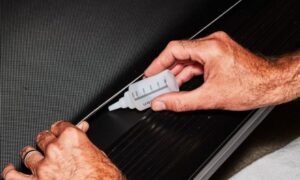
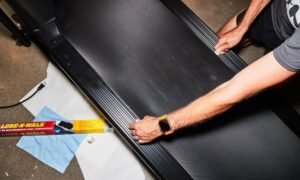
Once the technician identifies the problem, the actual repair begins. We disassemble the necessary components safely to access the damaged area. Professional services prioritize Original Equipment Manufacturer (OEM) replacement parts. Using OEM parts guarantees that the new components fit perfectly and handle the heavy usage typical of commercial environments. Whether swapping out a worn deck on a treadmill or replacing a snapped pulley system, technicians follow the manufacturer’s precise blueprints.
Step 4: Testing & Calibration
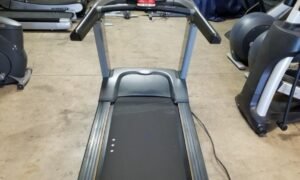
Fixing the broken part is only half the job. The equipment must now perform as expected under stress. Technicians recalibrate the machine to ensure it tracks speed, incline, and resistance accurately. We then test the equipment under a simulated load. For a treadmill, this means running it at various speeds and inclines while bearing weight. For strength equipment, it involves running the weight stack through its full range of motion to ensure smooth, frictionless travel.
Step 5: Safety Compliance Check
The final step is a rigorous safety compliance check. The technician verifies that all emergency stop features work instantly. We double-check every bolt for proper torque and ensure all protective shrouds and covers fit securely. The machine must meet or exceed the original safety standards set by the manufacturer and industry fitness associations before we clear it for user operation.
The Foundation of Trust: Technician Experience and Industry Standards
You cannot leave the safety of gym members to guesswork. Professional gym equipment repair technicians undergo hundreds of hours of hands-on training and earn certifications directly from major equipment manufacturers. This rigorous training ensures they understand the mechanical physics and electrical engineering behind every machine.
Furthermore, our adherence to strict industry standards means we never take shortcuts. We document every repair, follow electrical safety codes, and maintain liability insurance. This combination of deep technical expertise and strict operational standards creates a highly trustworthy service that protects both your investment and your users.
Frequently Asked Questions (FAQs)
How long does a typical gym equipment repair take?
Most standard repairs take between one and two hours once the technician is on-site. However, if the machine requires specialized OEM parts that are out of stock, the process will pause until the parts arrive from the manufacturer.
Why is it important to use OEM parts?
OEM parts are designed specifically for your exact machine model. They guarantee proper fit, maintain your manufacturer warranty, and withstand the specific wear-and-tear patterns of your equipment better than generic aftermarket parts.
How often should gym equipment be professionally serviced?
Commercial gyms should schedule preventive maintenance checks quarterly or biannually, depending on member volume. Home gym equipment usually requires a professional inspection once a year to keep belts lubricated and bolts tightened.
Can I fix my treadmill motor myself?
We strongly advise against opening motor compartments. Treadmills store high-voltage electricity even when unplugged, and improper handling can result in severe shocks or permanent damage to the machine’s control board.