
A loose treadmill belt is one of the most common problems we see in the field. When the belt sits too loose, it can slip, hesitate mid-stride, drift to one side, and put extra strain on the motor and drive system. Left alone, that small annoyance can turn into a bigger, more expensive repair.
At NJ Fitness Equipment Repair (Fitness Equipment Repair Specialist LLC), we service residential and commercial treadmills every day across New Jersey and nearby areas. This guide walks you through how to check tension, make safe adjustments, and recognize when the smarter move is professional help.
Here’s what you’ll get:
- A direct, step-by-step tightening procedure
- How to tell if your belt is too loose (or too tight)
- The difference between belt tension and alignment
- Clear signs it’s time to call a technician
How Do You Tighten a Treadmill Belt?
To tighten a treadmill belt, turn off and unplug the machine, then locate the rear roller adjustment bolts. Using the correct wrench, turn each bolt a small amount—often a quarter turn—keeping both sides even. Recheck tension and alignment, then test at low speed. Exact bolts and specifications vary by model, so follow your manufacturer’s manual.
Here is the general procedure most treadmills follow:
- Turn off and unplug the treadmill before touching any adjustment components.
- Locate the rear roller adjustment bolts, usually at the back of the frame on each side.
- Check the existing belt tension so you know your starting point.
- Make small adjustments, such as a quarter turn, rather than large turns.
- Adjust both sides evenly to keep tension balanced.
- Confirm the belt stays centered and isn’t tracking to one side.
- Plug in and test at low speed to feel for slipping or hesitation.
- Observe the belt for a minute before returning to normal workout speed.
Because adjustment mechanisms and recommended tension differ between brands and models, always confirm the correct process in your owner’s manual before you start.
How Do You Know If a Treadmill Belt Is Too Loose?
Belt tension refers to how tightly the walking belt wraps around the front and rear rollers. Too little tension and the belt can’t grip properly. Too much and it strains the whole system.
Watch for these common symptoms:
- Slipping or a brief pause when your foot lands
- Hesitation during walking or running
- The belt drifting toward one side
- Uneven or jerky movement
- A belt that feels loose or lifts easily near the center
Many manuals describe a simple check: lift the belt at the center to see how much it rises. The acceptable amount varies by model, so treat any specific measurement as manufacturer-specific rather than universal. If you notice slipping paired with unusual noises or burning smells, stop and read the technician section below before adjusting anything.
What You Need Before Tightening a Treadmill Belt
You don’t need many tools, but you do need the right one for your machine.
- The correct Allen/hex wrench for your rear roller bolts (often included with the treadmill)
- Your owner’s manual for the right bolt locations and tension spec
- A clean, well-lit space and enough room to reach the rear of the deck
- A flashlight to inspect the belt and rollers
The exact wrench size and bolt type depend on your treadmill model. If you’re missing the original hardware, check the manual before guessing, since the wrong tool can round out a bolt head.
How Tight Should a Treadmill Belt Be?
There’s no single number that fits every treadmill. Correct tension is model-dependent, and your manual is the authority for your specific machine.
The goal is simple: enough tension so the belt grips and won’t slip under load, but not so much that it strains the system. When in doubt, make small changes and retest rather than cranking the bolts.
Over-tightening is a real risk. Excess tension increases friction and can:
- Wear the walking belt and deck prematurely
- Overload the front and rear rollers
- Force the motor to work harder, shortening its life
If the belt feels overly tight or the motor sounds strained after adjustment, back the bolts off slightly and test again.
Treadmill Belt Tightening vs. Belt Alignment
These two adjustments are related but not the same, and confusing them leads to frustration.
- Tension is how tightly the belt grips the rollers.
- Alignment (tracking) is whether the belt stays centered as it moves.
A belt can be correctly tensioned and still drift toward one side. That usually points to an alignment issue, not a tension problem. Alignment is adjusted with the same rear roller bolts, but by turning one side slightly more than the other to nudge the belt back to center.
Make these adjustments in small increments and test at low speed each time. Rushing alignment changes often overcorrects the belt to the opposite edge. For a deeper look at tracking and grip problems, our overview of common treadmill belt problems breaks down the usual causes.
Why Does a Treadmill Belt Keep Slipping After Tightening?
If slipping continues after you’ve tensioned the belt correctly, the belt isn’t the whole story. Constantly tightening to chase a slip is a mistake—it masks the real cause and can damage components.
Common culprits include:
- Incorrect tension or poor alignment
- A worn walking belt that no longer grips
- Insufficient lubrication, where your model calls for it
- Worn rollers that can’t drive the belt smoothly
- Drive-belt or motor issues
- Deck wear beneath the walking belt
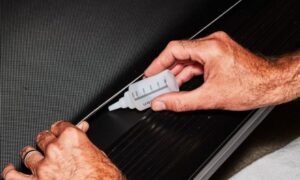
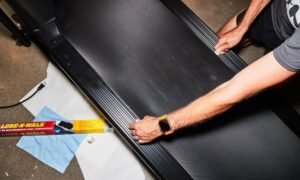
A quick note on lubrication: some treadmills require silicone-based lube between the belt and deck, while others are pre-lubricated and should not be treated with anything. Check your manual, because using the wrong product—or none when it’s needed—causes friction and slipping that no amount of tightening will fix.
When Should You Replace the Treadmill Belt?
Tightening can’t repair a belt that’s physically worn out. When the belt material breaks down, replacement is the only safe fix.
Look for these signs of deterioration:
- Fraying or torn edges
- Cracks, tears, or damaged seams
- Severe or uneven wear patterns
- Excessive curling at the edges
- A glazed, slick underside that won’t grip
If you see any of these, stop using the treadmill until the belt is replaced. Running on a damaged belt risks injury and can harm the deck and rollers.
When Should You Call a Treadmill Repair Technician?
DIY adjustments are fine for basic tension and tracking. Beyond that, professional diagnosis protects both you and your equipment. Stop and call a technician if you notice:
- Burning smells
- Grinding or unusual motor noises
- Electrical problems or error codes on the display
- A belt that stops under load
- Severe belt damage or frayed, torn edges
- Persistent slipping after correct adjustment
- Suspected roller or motor problems
These symptoms usually signal an issue deeper than belt tension. Our team provides professional treadmill repair services, including diagnostics, belt replacement, motor repair, and electrical troubleshooting for major fitness brands.
We work with both home users and gyms, and we offer treadmill preventative maintenance to catch wear before it becomes a breakdown. Our technicians serve New Jersey, New York, NYC, Rockland County, Westchester County, the Bronx, and Northeast Pennsylvania, covering the full range of fitness equipment repair services for residential and commercial customers.
FAQ About Tightening a Treadmill Belt
How do I know if my treadmill belt needs tightening?
Watch for slipping, hesitation, or a belt that feels loose when you lift it at the center. Uneven or jerky movement is another sign. Compare what you see against your manufacturer’s recommended tension check, since the acceptable amount of belt lift varies by model.
Can I tighten a treadmill belt myself?
Yes, basic tension adjustments are a reasonable DIY task on most treadmills. Unplug the machine, use the correct wrench on the rear roller bolts, and make small, even turns. Always follow your owner’s manual, and stop if you notice burning smells, grinding, or error codes.
How often should a treadmill belt be adjusted?
There’s no fixed schedule. Check tension and alignment periodically, especially if you use the treadmill heavily or notice slipping. Routine inspections during preventative maintenance help catch loose belts, wear, and lubrication needs early, before they cause bigger drive-system problems.
Can tightening a treadmill belt stop it from slipping?
Sometimes. If slipping comes from low tension, a correct adjustment can fix it. But slipping can also stem from a worn belt, poor alignment, dry deck, worn rollers, or motor issues. If slipping continues after proper tensioning, stop tightening and have the machine diagnosed.
What happens if I tighten a treadmill belt too much?
Over-tightening raises friction and stresses the belt, deck, rollers, and motor. It can cause premature wear, overheating, and motor strain. If the belt feels excessively tight or the motor sounds labored, loosen the bolts slightly and retest at low speed.
Why does my treadmill belt move to one side?
That’s usually an alignment issue rather than a tension problem. The belt is drifting because one side needs a small tracking adjustment. Turn the rear roller bolt on the drifting side in tiny increments, testing at low speed, until the belt recenters.
When should I replace my treadmill belt?
Replace it when the belt shows fraying, tears, damaged seams, deep wear patterns, curling edges, or a glazed, slick surface. Tightening cannot restore worn belt material. Running on a damaged belt is unsafe and can harm the deck and rollers, so schedule a replacement promptly.
Keep Your Treadmill Running Smoothly
A properly tensioned, well-aligned belt keeps your workouts safe and protects your investment. Start with small, even adjustments, follow your manufacturer’s manual, and never ignore burning smells, grinding, or persistent slipping.
If your belt keeps slipping after correct adjustment, shows visible wear, makes unusual sounds, or needs a professional diagnosis, reach out to NJ Fitness Equipment Repair. Our technicians handle treadmill repair, belt replacement, motor and electrical troubleshooting, and preventative maintenance for homes and gyms across New Jersey, New York, and the surrounding service areas.