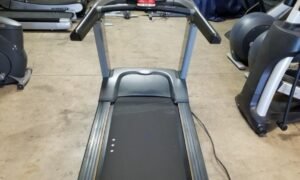
Imagine a treadmill sitting comfortably in a spare bedroom. Now, picture a treadmill on the floor of a bustling health club at 6 PM on a Monday. The home treadmill might run for 45 minutes a day. In contrast, the gym treadmill runs continuously for hours, bearing the weight and stride of dozens of different users.
Because of these extreme differences in daily stress, the ways we approach fixing and maintaining these machines vary entirely. Whether you own a local fitness center or just want to keep your garage gym running smoothly, understanding the nuances of commercial gym equipment repair compared to residential fixes can save you massive amounts of time, money, and frustration.
Let us explore exactly how home and commercial repairs differ, what you can expect from professional services, and how to keep your machines running safely.
Quick Comparison: Home vs Commercial Equipment Repair
To understand the core differences at a glance, we have broken down the main factors in the table below.
| Feature | Home Gym Equipment | Commercial Gym Equipment |
| Usage frequency | Low to moderate (1-2 hours daily) | Extremely high (8-24 hours daily) |
| Wear & tear | Gradual, predictable | Rapid, unpredictable across multiple users |
| Repair costs | Generally lower | Higher due to complex, heavy-duty parts |
| Maintenance frequency | Quarterly to bi-annually | Weekly to monthly |
| Technician expertise required | General mechanical knowledge | Highly specialized, brand-certified expertise |
Key Differences in Detail
While a stationary bike functions exactly the same at home as it does in a public facility, the mechanics inside tell a different story. Here are the detailed factors that separate home gym repair services from commercial gym equipment repair.
Usage Intensity and Wear
The most obvious difference is how often people use the machines. Home gym machines serve a few household members. The wear and tear happens predictably. If a belt starts fraying, it usually degrades slowly over months.
Commercial facilities experience high-traffic, continuous usage. A single cable machine might see hundreds of repetitions in a single afternoon. Consequently, commercial parts experience intense friction, heat buildup, and stress. Breakdown frequency in a commercial setting is naturally higher unless strictly managed through preventive care.
Complexity of Equipment
Commercial machines feature advanced systems designed to withstand relentless punishment. Treadmills use heavy-duty AC motors that can run for hours without overheating. They feature complex electrical control boards, self-lubricating decks, and massive steel frames.
However, residential machines often use simpler DC motors and lighter components. They fold up for storage and prioritize space-saving designs over sheer durability. Therefore, fixing a commercial unit requires safely navigating heavy-duty electrical systems and dense mechanical frameworks.
Repair Frequency and Maintenance Needs
Preventive maintenance schedules differ drastically between the two environments. A home user might check their equipment every few months.
In contrast, routine servicing in gyms remains critical to the business. A broken machine leads to unhappy members and canceled subscriptions. Commercial gym equipment repair requires strict, scheduled maintenance plans to catch failing bearings or worn belts before they snap during a workout.
Cost of Repairs
When looking at home gym repair services, costs usually stay manageable. Parts are widely available, and labor hours remain relatively low.
Commercial repairs cost significantly more. The replacement parts, such as commercial-grade motors or custom-molded console displays, carry higher price tags. Furthermore, commercial repairs factor in the cost of downtime. If a highly popular squat rack or elliptical sits out of order, the facility suffers reputational damage.
Technician Expertise Required
Fixing a basic home exercise bike often requires basic tools and simple troubleshooting. However, commercial machines demand highly skilled fitness equipment technicians.
These technicians hold specific brand certifications and understand intricate motor control boards, telemetry systems, and advanced hydraulics. They carry specialized diagnostic tools designed specifically for commercial gym equipment repair, allowing them to pinpoint hidden electrical faults rapidly.
Common Repair Scenarios
To highlight how these differences play out in the real world, let us look at two common repair scenarios.
The Home User Scenario:
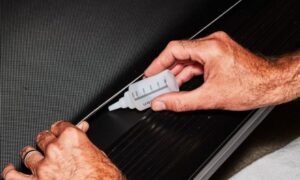
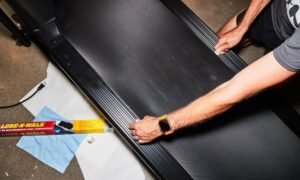
A homeowner notices their treadmill belt slipping every time their foot strikes the deck. They call for home gym repair services. A technician arrives, tests the tension, lubricates the deck, and tightens the rear roller. The entire process takes under an hour, using standard hand tools.
The Commercial Gym Scenario:
A fitness center manager notices that three ellipticals in a row keep shutting off randomly. This scenario points to a much larger issue. Specialized fitness equipment technicians must step in to trace the electrical load. They might discover that the combined power draw of the heavy-duty alternators is tripping an aging breaker, or that sweat has corroded a shared data cable. Fixing this requires commercial diagnostic software, electrical testing, and potentially replacing expensive power control boards across multiple units.
When to Hire Professional Repair Services
Knowing when to call for help prevents minor issues from turning into catastrophic failures.
Warning Signs for Home Users:
- Squeaking or grinding noises during operation.
- Frayed cables on weight machines.
- Error codes flashing on the display console.
Warning Signs for Commercial Gyms:
- Inconsistent power delivery or random machine reboots.
- Noticeable heat radiating from motor hoods.
- Loose or wobbling frames on heavy strength equipment.
Delaying repairs creates massive risks. A snapped cable on a home machine can cause severe injury. In a commercial setting, ignoring a faulty machine opens the business up to significant liability and lawsuits. Expert diagnostics ensure you fix the root cause of the problem, rather than just treating the symptom.
Building Trust with Expert Technicians
Handling intricate fitness machinery requires deep expertise. When seeking commercial gym equipment repair, you must rely on professionals with a proven track record.
Expert technicians bring years of experience handling both residential and commercial equipment. They undergo rigorous training directly from major manufacturers, earning certifications that prove their competence. Professional repair teams utilize advanced voltmeters, bearing presses, and brand-specific diagnostic software that the average handyman simply does not possess.
Furthermore, authoritative repair services provide transparent pricing and honest recommendations. If a ten-year-old commercial treadmill will cost more to fix than to replace, a trustworthy technician will tell you upfront. They prioritize your safety and your budget over making a quick repair fee.
Preventive Maintenance Tips for Both Segments
Proper maintenance extends the lifespan of any fitness machine. Implementing a routine saves money and prevents unexpected breakdowns.
For Home Users:
- Wipe down after use: Sweat causes rust and corrodes electronics. Wipe your machines with a mild cleaner after every workout.
- Lubricate moving parts: Apply silicone-based lubricant to your treadmill deck every three to six months.
- Check the hardware: Inspect nuts, bolts, and cables for tightness and wear every quarter.
For Commercial Gyms:
- Daily inspections: Staff should walk the floor daily to check for loose parts, fraying cables, and error codes.
- Deep cleaning: Dust and lint kill commercial motors. Vacuum inside motor covers regularly to ensure proper airflow.
- Scheduled servicing contracts: Partner with expert fitness equipment technicians for monthly or quarterly preventive maintenance. This ensures professionals inspect the internal mechanics you cannot see.
Conclusion
Understanding the difference between home and commercial gym equipment repair comes down to scale, complexity, and usage. While home machines require gentle, occasional upkeep, commercial machines demand aggressive preventive maintenance and specialized technical knowledge to handle the heavy daily traffic.
Choosing the right approach ensures your equipment remains safe, functional, and durable for years to come. Do not wait for a complete breakdown to seek help. If your facility needs immediate attention or you want to set up a reliable preventive maintenance schedule, reach out to professional commercial gym equipment repair services today to protect your investment and keep your members moving.