
If your treadmill belt is not moving, the usual culprits are a worn or loose drive belt, a weak or failed motor, a faulty motor-control board, a speed sensor problem, incorrect belt tension, excessive deck friction, a seized roller, or an electrical fault. Start with simple power and safety checks. Then figure out whether the motor is running while the belt sits still, because that single clue points you toward the right repair.
A treadmill can light up its console and still refuse to move the walking belt. Power reaching the display does not mean the drive system is healthy. In the field, technicians see this often: the machine turns on, buttons respond, but the belt stays frozen. The problem lives somewhere between the control board and the roller, not the console.
Below, you’ll learn the most common reasons a treadmill belt stops moving, what you can safely inspect yourself, and when it’s time to bring in a professional. Keep in mind that designs vary by brand and model, so always check your owner’s manual before making adjustments.
Why Is My Treadmill Belt Not Moving?
When a treadmill belt won’t budge, the fault typically falls into one of a few categories:
- Drive belt problems — loose, stretched, glazed, or broken
- Motor issues — a weak, overheated, or failed drive motor
- Motor-control board (controller) faults — the board that sends power to the motor
- Speed sensor faults — the part that tells the console how fast the belt moves
- Belt tension or alignment — too tight, too loose, or off-center
- Excessive friction — a dry or worn walking deck creating drag
- Seized or damaged rollers — front or rear rollers that no longer spin freely
- Electrical or wiring problems — loose connectors or damaged wires
- Safety key or console issues — a missing key or a console fault on some models
Not every treadmill uses the same parts or the same troubleshooting steps. Some rely on a drive belt between the motor and roller; others use different mechanisms. Use these sections as a guide, then confirm details in your manual.
1. Check the Power and Safety Key
Start with the basics before opening anything.
- Confirm the treadmill is plugged directly into a working wall outlet, not a worn power strip.
- Check the on/off switch and reset button or breaker if your model has one.
- Make sure the safety key (magnet clip) is seated correctly. Many treadmills won’t run the belt without it.
- Try a different outlet to rule out a tripped circuit.
If the console lights up but the belt stays still, power is reaching the machine. That’s useful information. A working console does not confirm the motor, control board, or drive system is functioning. This is one of the most common scenarios in treadmill troubleshooting: the display works, yet the belt does not move.
2. Check Whether the Motor Is Running
This step tells you the most. Stand near the motor cover and press start.
- If you hear the motor hum or spin but the belt doesn’t move, the problem is likely mechanical — a slipping or broken drive belt, a seized roller, or heavy deck friction. When a treadmill motor runs but the belt does not move, power is getting to the motor, but that force isn’t reaching the roller.
- If the motor makes no sound at all, suspect the motor-control board, wiring, speed sensor, or the motor itself.
Listen for grinding, clicking, or a burning smell. Those sounds and odors point to a fault that needs attention rather than a quick adjustment.
Safety first: Before removing the motor cover or touching internal parts, turn the treadmill off and unplug it. Never inspect the drive system while it’s powered.
3. Inspect the Drive Belt
Many people confuse the two belts. The walking belt is the wide surface you run on. The drive belt is a smaller internal belt that connects the motor to the front roller on many models.
A drive belt can cause trouble when it becomes:
- Loose or stretched, so it slips instead of turning the roller
- Glazed or worn, reducing grip
- Cracked or broken, cutting power to the roller entirely
If the motor spins freely while the walking belt stays still, a loose or damaged drive belt is a strong suspect. Some treadmills allow a tension adjustment; others need a replacement belt. Belt-related symptoms like slipping and tension trouble are covered in more detail in our guide to [Treadmill Belt Issues](Treadmill Belt Issues). Note that not all treadmills use a separate drive belt, so check your model.
4. Consider Belt Tension and Friction
Tension and friction affect how smoothly a treadmill runs.
- Too tight: The walking belt binds against the rollers and resists movement, straining the motor.
- Too loose: The belt slips, hesitates, or stalls under your weight — a common reason a belt stops moving mid-workout.
- Dry or worn deck: Friction between the belt and deck creates drag the motor can’t overcome.
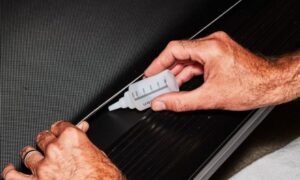
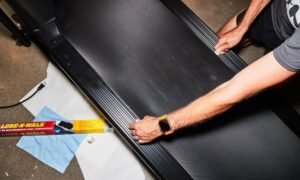
Some manufacturers require periodic lubrication between the belt and deck. Others use pre-lubricated belts that should never be treated with lubricant. Applying the wrong product, or any product on a sealed belt, can cause damage. Always follow your manufacturer’s maintenance instructions rather than guessing. Consistent, correct treadmill maintenance prevents many of these friction problems before they start.
5. Check the Speed Sensor
The speed sensor monitors how fast the belt or roller turns and reports back to the console. When it fails or its connection loosens, the treadmill may:
- Refuse to start the belt
- Display a speed-related error code
- Start and stop unexpectedly
Sensor placement and testing differ widely by model. Some sit near the front roller; others are positioned elsewhere. A loose connector is sometimes the culprit, but diagnosing a sensor accurately usually calls for model-specific knowledge and tools.
6. Motor or Motor-Control Board Problems
The drive motor and the motor-control board work together to move the belt. Problems here include:
- A weak or failing motor that hums but lacks power
- An overheated motor that shuts down after a period of use
- Worn motor brushes or internal components
- A faulty motor-control board that no longer delivers proper power
Overloading a treadmill beyond its rated capacity, or running it for long stretches without rest, can overheat the system and trigger a protective shutdown. If the belt stops repeatedly under load or after a few minutes, overheating is worth considering.
Important safety note: Do not test, open, or repair electrical components such as the control board or motor wiring unless you are properly trained and equipped. These repairs carry real electrical risk and are best handled by a qualified treadmill repair technician. Diagnosing whether you need treadmill motor repair or a board replacement requires proper testing.
7. Damaged or Seized Rollers
The front and rear rollers keep the walking belt turning. When a roller bearing wears out or a roller seizes, the belt can’t move freely — even if the motor and drive belt are fine.
Signs of roller trouble include grinding noises, a belt that drags on one side, or a roller that won’t spin by hand when unplugged. Roller replacement and alignment usually require professional diagnosis to avoid damaging the deck or belt.
What You Can Safely Check Yourself
Here’s a practical checklist most treadmill owners can handle safely:
- Turn the treadmill off and unplug it before inspecting any mechanical parts.
- Confirm the safety key is installed correctly.
- Check that the belt isn’t visibly torn, frayed, or badly misaligned.
- Look for obvious debris caught under the belt or around the rollers.
- Listen for grinding or squealing and note any burning smell.
- Feel whether the belt is far too tight or too loose.
- Review your owner’s manual for model-specific maintenance and adjustment steps.
- Do not open electrical components or attempt wiring repairs unless you’re qualified.
If these checks don’t reveal an easy fix, the fault is likely internal. Whether you use treadmill for home workouts or a commercial floor, our resources on [Home Gym Equipment Repair](Home Gym Equipment Repair) can help you decide the next step.
When Should You Call a Treadmill Repair Technician?
Some problems need professional tools and experience. Contact a technician when:
- The motor runs but the belt does not move
- The belt repeatedly stops under your weight
- You notice a burning smell
- You hear grinding, squealing, or unusual motor noise
- The console shows motor or speed error codes
- The drive belt looks cracked, glazed, or broken
- A roller appears seized or damaged
- You suspect an electrical or wiring fault
- Basic troubleshooting hasn’t solved the problem
A professional inspection identifies the actual cause instead of replacing parts by guesswork. That saves money and prevents further damage. Fitness Equipment Repair Specialist LLC provides treadmill belt repair, motor repair, and preventative maintenance for both residential and commercial customers. Our team offers mobile, on-site, insured service — with same-day repair availability in many cases — across New Jersey and New York, including Rockland County, parts of Orange County, Westchester County, the Bronx, and NYC. You can learn more about our [Treadmill Repair Services](Treadmill Repair Services) and broader [Exercise Equipment Repair Services](Exercise Equipment Repair Services) for major fitness equipment brands.
Frequently Asked Questions
Why does my treadmill turn on but the belt does not move?
The console has power, but the drive system doesn’t. Likely causes include a slipping drive belt, a failing motor, a control-board fault, a speed sensor issue, or a seized roller.
Can a treadmill motor run while the belt does not move?
Yes. If you hear the motor spin but the belt stays still, the problem is usually mechanical — a loose or broken drive belt, a seized roller, or excessive deck friction.
How do I know if my treadmill motor is bad?
Warning signs include no motor sound at start, a burning smell, weak or inconsistent movement, or the belt stopping under load. Accurate testing should be done by a trained technician.
Can a loose belt stop a treadmill from moving?
Yes. A loose or stretched drive belt slips instead of turning the roller, so the walking belt hesitates or won’t move at all.
Is it safe to keep using a treadmill that stops randomly?
No. A belt that stalls or a burning smell can signal a motor or electrical fault. Stop using it and have it inspected.
Final Takeaway
If your treadmill belt still won’t move after these basic checks, don’t keep forcing the machine to run. Continuing to operate a treadmill with a possible mechanical or electrical fault can cause more damage — or a safety hazard. A professional inspection can pinpoint whether the issue is the motor, drive belt, roller, speed sensor, control board, or wiring. Contact Fitness Equipment Repair Specialist LLC to schedule expert residential or commercial treadmill diagnosis and repair, and get your equipment safely back in working order.