
A treadmill that starts and then stops immediately is typically caused by a triggered safety system, a power supply issue, a faulty speed sensor, a failing drive motor, excessive belt friction, or a damaged control board. Diagnosing the root cause requires a systematic approach—starting with the simplest checks before moving to electrical and electronic components.
When a treadmill starts and stops immediately, the instinct is to assume the worst—a burned-out motor or a fried control board. That’s not always the case. Many treadmill stops immediately after starting can be traced back to something far simpler: a misaligned safety key, a loose ground wire, or a belt that’s overdue for lubrication. The challenge is working through the diagnostic process efficiently so you don’t replace a $300 controller when a $5 part would have solved the problem.
This guide walks through the most common causes of a treadmill that keeps stopping, a structured troubleshooting sequence, and the key distinctions between mechanical and electrical failures—written for technicians and repair professionals who need practical, model-agnostic guidance.
Why Does a Treadmill Start and Then Stop Immediately?
Understanding the basic operating sequence helps clarify where to look first. When a treadmill powers on, the control board initializes, reads inputs from the safety system and speed sensor, then sends a signal to the motor controller to ramp up belt speed. If any one of those signals falls outside expected parameters, the board will shut the unit down—often within seconds.
Diagnostic categories generally fall into six areas:
- Safety and control circuit issues — The machine is shutting down by design
- Electrical and power problems — Insufficient or unstable power reaching key components
- Motor and motor controller problems — Failure at the drive or control level
- Speed feedback problems — The board isn’t receiving accurate speed data
- Mechanical resistance — The motor is working too hard and triggering thermal or current protection
- Wiring and connection faults — Intermittent contact causing unpredictable shutdowns
Common Causes of a Treadmill That Stops Immediately
Safety Key or Safety Switch Problems
The safety key (also called the magnetic safety clip or lanyard) is the first thing to check. When the magnet is removed or improperly seated, most treadmills will either not start at all or shut down immediately after starting. Safety key contacts corrode over time, and the reed switch beneath the console can fail in either the open or closed position.
Even if the machine appears to start normally, a marginal reed switch may allow a brief startup before triggering a fault. Inspect the switch for continuity and ensure the key is making firm magnetic contact. Replace the switch if readings are inconsistent.
Power Supply Problems
Low voltage or voltage drops under load are a common cause of treadmill stops immediately after starting—and one of the more frequently overlooked ones. A treadmill drawing significant current during motor startup can expose weak outlets, undersized extension cords, or deteriorating power supply boards.
Verify the unit is plugged directly into a properly rated outlet. Check for voltage drop between no-load and loaded conditions. Internal power supply components—capacitors, diodes, and rectifiers—can degrade with age and produce instability under load. Refer to the manufacturer’s service manual for acceptable voltage tolerances; specifications vary significantly by model.
Faulty Speed Sensor or Speed Feedback
The speed sensor (typically a reed switch or Hall-effect sensor) monitors belt and motor RPM and sends that data to the control board. If the board receives no signal—or an erratic one—it may interpret this as a runaway belt or motor failure and shut the unit down immediately.
Inspect the sensor and the magnet it reads. Misalignment, debris buildup, or a failed sensor element can all disrupt feedback. Resistance and continuity values will vary by manufacturer, so always verify against the service documentation rather than assuming generic figures.
Motor Controller or Control Board Problems
A failing motor controller or main control board can cause erratic behavior, including treadmill belt stops moving immediately after startup. These failures are harder to diagnose without substitution testing or specific diagnostic equipment. Signs pointing toward controller failure include unusual heat at the board, visible burn marks, or fault codes that don’t correlate with any mechanical finding.
Avoid replacing the control board until all simpler causes have been ruled out. Board failures are often the result of an upstream problem—such as a motor drawing excess current—that will destroy a replacement board if the root cause isn’t addressed first. For professional treadmill repair, board-level diagnosis typically requires access to manufacturer wiring diagrams and service bulletins.
Drive Motor Problems
A drive motor that is beginning to fail may start normally but then stall or trigger current protection within seconds. This can present as a treadmill motor stops immediately, sometimes accompanied by a burning smell or unusual noise during the brief run period.
Test the motor’s armature and field windings according to the manufacturer’s specifications. Check brush condition and commutator surface on brushed motors. Carbon tracking, worn brushes, or shorted windings can all cause rapid shutdown. This level of diagnosis is covered in depth as part of a structured preventive maintenance program, which can catch motor wear before it causes a full shutdown.
Excessive Belt or Deck Friction
High mechanical resistance forces the motor to draw more current than normal. Most treadmill control boards include current limiting protection—if the motor exceeds a defined current threshold, the board shuts it down. A treadmill shuts off when running or immediately after starting due to friction is a mechanical issue that’s sometimes misdiagnosed as an electrical one.
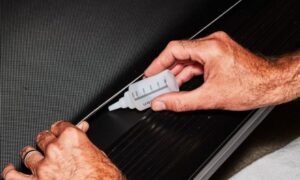
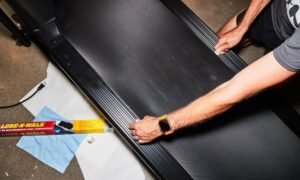
Check belt tension and alignment. Lubricate the deck according to the manufacturer’s recommendations. A belt that’s too tight, misaligned, or running on a dry deck can produce enough resistance to trigger overcurrent protection even with a healthy motor. Proper fitness equipment parts replacement—including belts and decks—is a cost-effective fix compared to motor or board replacement.
Loose or Damaged Wiring
Wiring faults deserve their own category because they can mimic almost any other problem. A loose connector at the motor, controller, or speed sensor can cause intermittent shutdowns that don’t produce consistent fault codes. Vibration from normal operation can slowly work connectors loose, and wire insulation can crack or chafe at stress points.
Inspect all wiring harnesses for damage, corrosion, and secure seating. Pay particular attention to connections near the motor, at the frame entry points, and at the control board headers. A visual inspection alone is not sufficient—verify continuity and connection integrity under slight mechanical stress.
How to Troubleshoot a Treadmill That Stops Immediately
A structured approach prevents wasted time and avoids unnecessary part replacement.
Step 1 — Confirm the exact symptom. Does the treadmill stop before the belt moves, immediately after movement begins, or after a few seconds? Is there an error code? Does it happen with no load or only under foot load? Precise symptom definition narrows the diagnostic field significantly.
Step 2 — Check the safety system. Verify the safety key is seated correctly and the reed switch reads consistently. This takes two minutes and eliminates the most common cause.
Step 3 — Verify power. Confirm the unit is on a dedicated, properly rated circuit. Check for voltage drop under load if equipment is available. Inspect the internal power supply board for visible damage.
Step 4 — Inspect the walking belt and deck. Check belt tension, alignment, and lubrication. A friction problem is inexpensive to fix and easy to confirm by manually testing belt resistance.
Step 5 — Inspect motor and controller connections. Check all harness connectors for corrosion, damage, and secure seating. A loose motor connector is a frequent culprit in intermittent or immediate-stop cases.
Step 6 — Check speed feedback. Inspect the sensor and magnet for alignment and condition. Verify signal output if your equipment supports it.
Step 7 — Review error codes and service information. Retrieve any stored fault codes and cross-reference them with the manufacturer’s service manual. Fault code definitions vary widely across brands and models.
Step 8 — Test after each corrective action. Confirm the repair resolved the issue before closing the job. A treadmill that keeps stopping may have more than one contributing factor.
How Can You Tell If the Problem Is Mechanical or Electrical?
This distinction matters because it determines your diagnostic path. The table below outlines key indicators for each category.
| Mechanical Indicators | Electrical/Electronic Indicators |
| Belt is stiff or difficult to move manually | Immediate stop with no mechanical resistance |
| Burning rubber or friction smell | Burning plastic or ozone smell |
| Deck surface is dry or scored | Visible burn marks on board or wiring |
| Belt misaligned or slipping | Error codes displayed at shutdown |
| Unusual noise during brief operation | No noise—silent shutdown |
| Motor hot after short run | Board or controller hot after short run |
| Brushes worn or commutator dirty | Inconsistent speed sensor signal |
Mechanical problems tend to produce sensory evidence—heat, smell, noise, or visible wear. Electrical failures are often silent and require test equipment to confirm. In many treadmill troubleshooting cases, both categories contribute.
Common Troubleshooting Mistakes Technicians Should Avoid
Replacing the control board too early. The board is often blamed for symptoms it’s reacting to, not causing. If a motor is drawing excess current, replacing the board without fixing the motor will likely destroy the replacement.
Skipping the safety system check. A worn reed switch or marginal safety key contact is one of the most common causes of immediate shutdown and takes minutes to verify.
Assuming error codes are definitive. Fault codes indicate where the board detected a problem—not necessarily the root cause. A speed sensor fault code may mean the sensor failed, or it may mean a wiring fault is disrupting the signal.
Testing under no-load only. Some faults only appear under load. Always verify the repair holds under normal operating conditions before returning the unit to service.
Ignoring belt and deck condition. Mechanical friction is frequently overlooked in favor of electrical diagnostics, especially when fault codes are present. Assess belt and deck condition on every job.
When Does a Treadmill Need Professional Repair?
Some treadmill problems are straightforward enough for an experienced user to address—lubricating the belt, reseating a safety key, or tightening a loose connector. But a treadmill that starts and stops immediately often involves multiple systems, and improper diagnosis can result in additional damage or safety hazards.
Professional fitness equipment repair is appropriate when:
- The fault persists after completing a full systematic inspection
- Fault codes point to motor controller or control board failure
- There is evidence of electrical burn damage or component failure
- The motor requires testing beyond basic visual inspection
- The unit is under warranty or has service contract implications
Frequently Asked Questions
Why does my treadmill stop immediately after starting?
The most common causes are a triggered safety system (safety key or reed switch fault), a power supply problem, excessive belt friction, a faulty speed sensor, or a failing motor or control board. Start with the safety system and belt condition before testing electrical components.
Can a worn treadmill belt cause the machine to shut off?
Yes. A worn, dry, or over-tensioned belt increases friction, which forces the motor to draw more current. Most treadmill control boards include overcurrent protection that will shut the machine down if current exceeds a defined threshold—even on a healthy motor.
How do I know if my treadmill motor is failing?
Signs of motor failure include a burning smell during operation, unusual noise during the brief start period, the motor feeling excessively hot after a short run, and visible wear on brushes or the commutator (on brushed motors). Definitive diagnosis requires testing against manufacturer specifications.
What does it mean when a treadmill displays a speed sensor error and stops immediately?
A speed sensor error indicates the control board is not receiving valid speed feedback. This can mean the sensor has failed, the magnet it reads is misaligned or missing, or a wiring fault is interrupting the signal. Inspect all three before replacing the sensor.
Is it safe to keep restarting a treadmill that keeps stopping?
Repeatedly restarting a treadmill without diagnosing the underlying cause can cause additional damage—particularly if the root cause is a motor drawing excess current or a short circuit. Identify and correct the fault before resuming normal use.
Can a loose wire cause a treadmill to stop immediately?
Yes. Loose or corroded connections at the motor, speed sensor, or control board can cause intermittent shutdowns that are difficult to reproduce consistently. Inspect all connectors for secure seating and corrosion, and test continuity under slight mechanical stress.
Do I need the manufacturer’s service manual to troubleshoot a treadmill?
For anything beyond basic checks—such as verifying voltage tolerances, reading fault codes, or testing motor or sensor values—the service manual is essential. Specifications vary significantly across manufacturers and models, and using generic figures risks misdiagnosis.
When should I replace the control board versus the motor controller?
Replace a component only after ruling out all upstream causes. A control board that appears faulty may be responding correctly to a motor drawing too much current or a speed sensor sending no signal. Confirm the root cause first; otherwise, a replacement board is likely to fail for the same reason.
Get Expert Treadmill Repair Support in New Jersey
A treadmill that stops immediately is rarely a single-component problem—and working through the diagnostic process systematically is the fastest way to a reliable repair. If you’ve completed a full inspection and the fault persists, or if the diagnosis points to motor or board-level failure, professional support can save significant time and prevent further damage.
NJ Fitness Equipment Repair provides experienced treadmill repair in New Jersey for commercial and residential equipment. Whether you need hands-on diagnostics, fitness equipment parts replacement, or a structured preventive maintenance program to prevent future failures, our technicians work across all major brands and models.
Contact our service team to schedule a diagnostic appointment or discuss your equipment’s repair needs.