Most NordicTrack treadmill repair jobs are simpler than they look. A belt that slips, a console that goes dark, or an incline motor that won’t move usually points to one clear cause. Once you know what to check, you can fix many problems in under an hour with basic tools.
This guide walks you through the most common issues, why they happen, and how to solve them safely. You’ll also learn when a repair is best left to a qualified technician. Always keep your model’s owner’s manual nearby, since exact steps vary between machines.
Common NordicTrack Treadmill Problems
Most breakdowns fall into a handful of categories. Here are the ones you’ll run into most often:
- The treadmill won’t turn on or power off unexpectedly
- The walking belt slips, stalls, or drifts to one side
- The motor runs hot or shuts down mid-workout
- The console freezes, shows errors, or won’t respond
- The incline sticks or fails to move
- The machine makes grinding, squealing, or thumping sounds
Good NordicTrack treadmill troubleshooting starts with one habit: unplug the machine before you open any panel. Electrical parts can hold a charge, and moving belts can pinch fingers.
Treadmill Won’t Start
A dead treadmill is almost always a power or safety-key issue, not a broken motor. Work through the basics before assuming the worst.
- Check that the power cord is plugged fully into a working wall outlet.
- Confirm the safety key (the red clip) is seated correctly on the console.
- Reset the circuit breaker on the treadmill frame, usually near the power cord.
- Test the outlet with another device to rule out a tripped house breaker.
- Inspect the cord for cuts or damage.
If the display stays dark after all this, the issue may sit deeper in the wiring or controller board. That’s a good point to stop and call a professional.
Belt Slipping or Stopping
Belt slipping is the most common NordicTrack belt repair request. It usually means the belt is too loose, dry, or worn.
Why it happens: Over time the belt stretches and friction builds between the belt and deck. A dry deck makes the motor work harder, which causes hesitation and slipping.
How to fix a loose belt:
- Unplug the treadmill.
- Find the rear roller bolts at the back of the frame.
- Using an Allen wrench, turn each bolt a quarter turn clockwise.
- Turn both bolts equally to keep the belt centered.
- Plug in, run at a slow speed, and test. The belt should not lag when you step on it.
If the belt still slips after proper treadmill belt adjustment, the belt or deck may be worn and need replacement.
Walking Belt Misalignment
A belt that drifts left or right rubs against the frame and wears out fast. This is easy to correct.
- Unplug the machine, then plug it back in and set a slow speed (about 2 mph).
- Watch which side the belt drifts toward.
- If it drifts right, turn the right rear bolt a quarter turn clockwise.
- If it drifts left, turn the left rear bolt a quarter turn clockwise.
- Let it run for a minute and recheck. Make small adjustments only.
A centered belt with a two-finger gap on each side is your goal. Over-tightening strains the motor and rollers, so go slow.
Motor Overheating
Treadmill motor problems often show up as burning smells, sudden shutdowns, or a motor that feels hot to the touch. Heat is usually a sign of friction or dust buildup.
Common causes:
- A dry or worn walking belt increasing drag
- Dust clogging the motor compartment
- Running heavy loads at high speed for long periods
What to do:
- Unplug the treadmill and let it cool fully.
- Remove the motor hood.
- Vacuum out dust and debris around the motor and belt.
- Check belt tension and lubrication.
- Reassemble and test at a moderate speed.
If the motor still overheats, sparks, or trips the breaker, stop. A failing motor or controller board needs a trained technician and a genuine replacement part.
Console and Display Issues
Console problems range from a frozen screen to blank displays and error codes. Most treadmill console repair starts with a simple reset.
- Turn off and unplug the treadmill for 60 seconds.
- Plug it back in and insert the safety key.
- Check that the wire harness behind the console is fully connected.
- Look up any error code in your owner’s manual.
Loose console wires are a frequent cause after the machine is moved. If the screen is cracked or the touchscreen fails on a smart model, the display unit usually needs replacing rather than repairing.
Incline Not Working
A stuck incline usually points to the incline motor or a calibration fault. NordicTrack incline repair often begins with recalibration.
- Follow your manual’s calibration steps, which typically involve holding specific buttons while inserting the safety key.
- Let the incline run through its full range during calibration.
- Listen for grinding, which can mean a worn incline motor gear.
If calibration fails or the incline motor is silent, the motor may be dead. Replacement is straightforward on many models but requires ordering the correct part number.
Unusual Noises During Operation
Sounds tell you a lot. Match the noise to its likely cause:
- Squealing: Dry belt or deck needing lubrication
- Thumping: Worn or frayed belt seam
- Grinding: Failing roller bearing or incline motor
- Rattling: Loose bolts on the frame or motor hood
Tighten any loose hardware first. If the noise comes from inside the motor or rollers, those parts likely need service.
Lubricating the Treadmill Correctly
Lubrication prevents most belt and motor problems. Dry decks are the number one cause of premature belt wear.
- Unplug the treadmill.
- Use only 100% silicone lubricant approved by NordicTrack. Other oils can damage the belt.
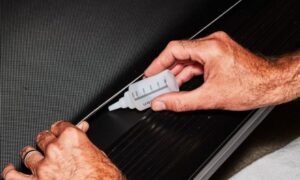
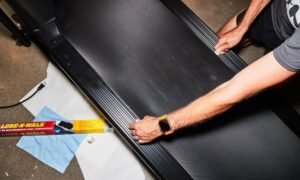
- Lift one edge of the belt and apply lube along the deck, about halfway down each side.
- Repeat on the other side.
- Plug in and walk slowly for two minutes to spread the lubricant.
Most models need lubrication every three months or after 150 miles of use. Check your manual for model-specific intervals.
Safety Precautions Before Repairs
Safety comes before any fix. Electrical shock and moving parts cause real injuries.
- Always unplug the treadmill before opening panels.
- Never touch internal wiring while the machine is powered.
- Keep hands, hair, and clothing clear of the belt.
- Use insulated tools when working near electrical parts.
- Follow all warnings in your owner’s manual and consumer safety guidance from the Consumer Product Safety Commission.
If a repair involves the motor controller, wiring, or high-voltage components and you’re unsure, stop and call a professional.
When to Replace Parts Instead of Repairing
Some parts wear out and cost more to fix than to swap. Replace rather than repair when you see:
- A belt with cracks, fraying, or a worn center strip
- A deck with deep grooves or burn marks
- A motor that sparks or repeatedly overheats
- A cracked console screen
Always use genuine NordicTrack replacement parts. Off-brand parts often fit poorly and can void your warranty. Order by your exact model number.
Preventive Maintenance Checklist
Regular care prevents most repairs. Follow this simple treadmill maintenance routine:
- Weekly: Wipe down the console and belt. Vacuum around the base.
- Monthly: Check belt tension and alignment. Tighten loose bolts.
- Every 3 months: Lubricate the deck and clean under the motor hood.
- Yearly: Inspect the belt, deck, and rollers for wear.
Keep the treadmill on a level surface and use a mat underneath to reduce dust and vibration.
When to Call a Professional Repair Service
DIY repairs have limits. Call a certified technician when:
- The motor or controller board fails
- Error codes persist after resets and calibration
- You smell burning or see sparks
- The frame or incline mechanism is damaged
- Your machine is still under warranty, so DIY work could void coverage
A trained technician has the tools and genuine parts to fix complex faults safely. For official support, contact NordicTrack customer service and keep your model number ready.
Internal linking suggestions: link to related guides such as “Treadmill Belt Replacement Step by Step,” “Best Silicone Lubricants for Treadmills,” and “Home Gym Equipment Maintenance Checklist.”
Frequently Asked Questions
How often should I lubricate my NordicTrack treadmill?
Most models need silicone lubricant every three months or every 150 miles. Check your manual for exact timing.
Why does my treadmill belt slip when I step on it?
The belt is likely loose or dry. Tighten the rear roller bolts a quarter turn each and lubricate the deck.
Can I use any lubricant on the belt?
No. Use only 100% silicone lubricant approved by NordicTrack. Other oils damage the belt and deck.
Why won’t my treadmill turn on?
Check the power cord, safety key, and the reset breaker on the frame. Test the outlet with another device.
How do I fix an incline that won’t move?
Run the calibration steps in your manual. If the incline motor stays silent, it may need replacement.
Is it safe to repair a treadmill myself?
Simple fixes like belt adjustment and lubrication are safe if you unplug the machine first. Leave motor and electrical repairs to a professional.
When should I replace the belt instead of adjusting it?
Replace the belt if you see cracks, fraying, or a worn center strip that no longer responds to tightening.
Conclusion
Most NordicTrack treadmill repair tasks come down to routine care: keep the belt clean and aligned, lubricate the deck on schedule, and check for loose bolts. These small steps prevent the majority of breakdowns and keep your machine running smoothly for years.
Always unplug before you work, use genuine replacement parts, and follow your owner’s manual. When a problem involves the motor, wiring, or persistent error codes, call a qualified technician. Your safety matters more than finishing the job yourself.
Ready to keep your treadmill in top shape? Bookmark this guide, download your model’s manual, and start your maintenance routine today. If a repair feels beyond your comfort level, reach out to a certified service pro and get back to your workouts safely.