Introduction
Running a successful fitness center requires more than just stocking the floor with top-tier machines. It demands a rigorous upkeep routine to keep members safe, operations smooth, and overhead costs manageable. Prioritizing proper gym maintenance New Jersey facility managers can rely on serves as the backbone of a profitable fitness business. Whether you manage a large commercial gym in Newark, a boutique training facility in Hoboken, or a hotel fitness center down the shore, implementing structured maintenance protocols ensures your equipment runs perfectly year-round.
Why Gym Maintenance is Critical in New Jersey
New Jersey presents a unique environment for fitness facilities. High population density in urban centers leads to massive daily foot traffic, putting commercial treadmills, ellipticals, and strength machines under constant stress.
Beyond usage volume, the local climate plays a major role. New Jersey experiences drastic weather shifts, from high-humidity summers to freezing winters. These shifts impact the indoor climate of your facility, directly affecting the metal components and sensitive electronics of your machines. Furthermore, the cost of equipment downtime is severe. Broken machines frustrate members, damage your facility’s reputation, and often lead to canceled memberships.
Daily Maintenance Practices for Gym Equipment
A strong maintenance program starts with daily action. Facility staff must handle foundational upkeep to prevent premature wear and tear.
- Cleaning routines: Sweat and body oils corrode metal and degrade upholstery. Staff should wipe down pads, consoles, and handles using manufacturer-approved, non-abrasive cleaners.
- Visual inspections: Walk the floor to look for obvious signs of damage. Check for ripped upholstery, cracked plastic housings, or frayed cables.
- Basic safety checks: Test the emergency stop lanyards on all treadmills. Ensure safety pins on selectorized weight machines engage smoothly without sticking.
Weekly and Monthly Maintenance Schedule
Moving beyond daily surface cleaning, you need a structured weekly and monthly routine to address mechanical needs.
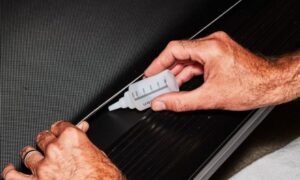
- Lubrication of moving parts: Apply silicone or Teflon-based lubricants to the guide rods of strength machines weekly. This prevents friction and ensures smooth weight transitions.
- Belt and cable inspections: Monthly, check treadmill running belts for proper tension and alignment. Inspect strength equipment cables for any signs of stripping or fraying, especially near the pulleys.
- Electrical system checks: Test the power cords for damage. Calibrate consoles, test heart rate monitors, and ensure all machines receive necessary firmware updates.
Seasonal Maintenance Considerations in New Jersey
The changing seasons require shifts in your maintenance approach.
- Winter indoor usage strain: As outdoor temperatures drop, gym attendance spikes. More members track in salt, snow, and grit from the parking lot, which quickly makes its way under treadmill belts. You must vacuum inside motor shrouds more frequently during these months.
- Summer humidity effects: High humidity accelerates rust on exposed metal parts. You must ensure consistent lubrication and monitor unpainted surfaces for early signs of oxidation.
- HVAC impact on equipment: Your facility’s heating and cooling systems work overtime during extreme seasons. Poor ventilation can cause electronic consoles to overheat, making proper climate control a critical component of equipment care.
Common Gym Equipment Problems and How to Prevent Them
Understanding common failure points helps you address issues before they cause total equipment breakdown.
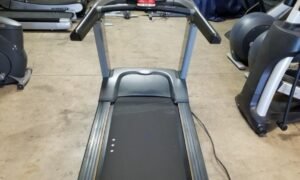
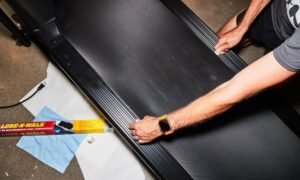
- Treadmill motor issues: Increased friction from a dry running deck burns out treadmill motors. Regular deck lubrication and belt tensioning prevent this costly repair.
- Elliptical resistance failures: When an elliptical loses resistance, the culprit is often a failing power supply or a damaged lower control board. Keeping sweat away from the console and testing internal batteries prevents electronic failures.
- Weight machine cable wear: Frayed cables pose a massive liability risk. Inspect the entire length of the cable regularly, replacing it immediately if you spot any exposed wire.
When to Hire Professional Gym Maintenance Services
While your staff can handle daily cleaning and basic lubrication, complex issues require certified experts. You must hire professional gym maintenance New Jersey technicians when you notice signs of serious wear, such as grinding noises from internal bearings or recurring error codes on electronic displays.
Professional intervention is crucial for safety risks. Certified technicians understand manufacturer specifications and hold the necessary insurance to work on commercial systems. Attempting DIY repairs on complex electrical or mechanical issues increases liability risks and often voids manufacturer warranties. Look for service providers who offer transparent service logs, hold proper certifications, and maintain clear documentation of all repairs.
Benefits of Regular Gym Equipment Maintenance
Committing to a preventive maintenance schedule delivers substantial advantages for your business.
- Longer equipment lifespan: Regular servicing adds years to the life of expensive commercial machines, maximizing your initial investment.
- Improved user safety: Catching frayed cables and loose bolts before they snap protects your members from injury and shields your business from liability claims.
- Reduced repair costs: Replacing a worn $50 drive belt is far cheaper than replacing a $500 motor that burned out because the belt snapped.
- Better gym reputation: Members notice when machines are always available and running smoothly. Reliable equipment builds trust and increases member retention.
Conclusion
Operating a fitness facility demands a proactive approach to equipment care. By implementing daily cleaning, weekly mechanical checks, and seasonal adjustments, you protect your investment and your members. Partnering with professional providers for gym maintenance New Jersey facility managers trust guarantees your equipment meets strict safety standards. Consistent, documented maintenance keeps your facility competitive, safe, and ready for the daily demands of your members.