Introduction
Running a successful fitness facility requires equipment that functions perfectly every time a member steps onto the floor. A professional gym equipment inspection service ensures your treadmills, ellipticals, and strength machines operate safely and efficiently. Through a comprehensive evaluation, certified technicians identify hidden wear and tear before it becomes a costly problem. This process protects your members, minimizes downtime, and helps you get the most out of your capital investment.
Why Regular Gym Equipment Inspections Matter
Consistent evaluation by trained professionals directly impacts your facility’s bottom line and reputation.
Preventing Injuries
Safety stands as the highest priority in any fitness environment. A frayed cable on a strength machine or a slipping drive belt on a treadmill can cause severe injuries. Professional inspectors spot these safety hazards early, preventing accidents and protecting your business from liability.
Reducing Costly Breakdowns
Equipment failure rarely happens without warning. Moving parts show signs of degradation long before they snap or seize. By identifying motor wear or alignment issues early, technicians replace small, inexpensive parts before they cause catastrophic damage to the entire machine.
Improving Equipment Lifespan
Following manufacturer guidelines for preventive maintenance extends the life of your machines by years. Regular inspections ensure your equipment receives the specific care required by the Original Equipment Manufacturer (OEM), maximizing your return on investment.
Step-by-Step Process of a Professional Gym Equipment Inspection
Certified technicians follow a rigorous, documented process to evaluate every machine on your floor. Here is exactly what they do on-site.
Initial Assessment
The process begins with a visual inspection and a review of the machine’s usage history. The technician examines the exterior for obvious damage, checks the service log, and reads the internal error codes stored in the machine’s diagnostic menu.
Mechanical System Check
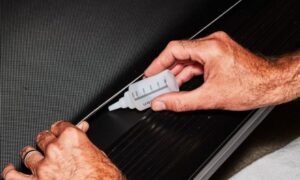
Technicians remove the motor covers and inspect the mechanical heart of your equipment. They check drive belts for cracking, assess motor commutators for excessive wear, and examine pulleys and resistance systems. On strength machines, they inspect cables, Kevlar belts, and guide rods for friction and fraying.
Electrical & Digital Diagnostics
Modern fitness equipment relies heavily on complex electronics. Inspectors use multimeters and specialized diagnostic tools to test power draws, sensors, and wiring harnesses. They ensure the console communicates properly with the lower control board and calibrate the incline and speed sensors to match the display.
Safety Testing
Technicians rigorously test all safety mechanisms. They verify that emergency stop lanyards disengage the motor instantly. They perform stability checks to ensure the equipment sits level and conduct load testing on weight stacks to confirm the selector pins and catch mechanisms hold securely.
Performance Testing
Finally, the technician runs the equipment under real-use conditions. They walk on the treadmill, pedal the stationary bike, or lift the weight stack to feel for smooth operation. This step reveals subtle vibrations or hesitations that stationary tests might miss.
What Technicians Look for During Inspection
During a gym equipment inspection, experienced professionals draw on their training to spot issues that untrained eyes overlook.
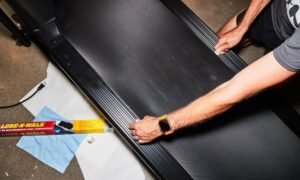
- Wear and tear signs: Technicians look for worn walking belts on treadmills. In a busy commercial gym, a worn belt creates excess friction, forcing the motor to work harder and eventually burn out.
- Alignment issues: In a hotel fitness center, an inspector might find an elliptical with misaligned stride rails, which causes clicking sounds and uneven bearing wear.
- Noise and vibration problems: Grinding noises often indicate failing bearings, while knocking sounds might point to loose mounting hardware.
- Safety risks: A home gym setup might feature a multi-station cable machine with a slightly stripped carabiner—a severe hazard that requires immediate replacement.
What You Receive After the Inspection
A reputable service provider builds trustworthiness through transparent reporting. After completing the physical checks, the technician provides a clear, documented overview of your facility’s status.
Detailed Inspection Report
You receive a comprehensive checklist detailing the condition of every evaluated machine. Reputable companies document their findings with notes and, occasionally, photos of the damaged components.
Repair Recommendations
If the technician finds broken or failing parts, they provide a clear list of necessary repairs, categorized by urgency. This helps you prioritize fixes based on safety risks.
Maintenance Plan Suggestions
Based on your equipment’s condition and usage volume, the inspector will suggest an ongoing preventive maintenance schedule tailored to your specific facility.
Cost Estimates (if needed)
For any recommended repairs, you receive a transparent estimate covering parts and labor, allowing you to budget accordingly without hidden surprises.
How Often Should Gym Equipment Be Inspected?
The frequency of your gym equipment inspection depends entirely on your environment and usage levels.
Commercial Gyms vs Home Gyms
Large commercial facilities require professional inspections at least once a quarter, if not monthly. The sheer volume of users puts immense strain on mechanical components. In contrast, a home gym usually needs an annual inspection to remain safe and functional.
High-Usage vs Low-Usage Equipment Schedules
Even within the same facility, inspection needs vary. High-usage equipment, like treadmills and stair climbers near the front door, need more frequent checks than specialized, low-usage strength machines. Industry best practices suggest tailoring your inspection schedule to the specific usage data pulled from the equipment consoles.
Benefits of Hiring a Professional Inspection Service
Skipping inspections or hiring unqualified, uncertified technicians introduces significant risk to your facility. Professional inspectors hold OEM certifications and specialized training that allow them to correctly diagnose complex systems.
When you hire a qualified professional, you gain improved safety, reduced downtime, and better equipment efficiency. You also protect your warranties, as most manufacturers require proof of professional maintenance to honor claims. Always verify your service provider by checking their industry credentials, reading client reviews, and ensuring they carry proper liability insurance. This due diligence leads to long-term cost savings and peace of mind.
Conclusion
A professional gym equipment inspection serves as the foundation of a safe, efficient, and profitable fitness facility. By bringing in certified technicians to assess mechanical, electrical, and safety systems, you prevent minor wear from turning into major breakdowns. Understanding this step-by-step process empowers you to make informed maintenance decisions, extend the lifespan of your machines, and provide an exceptional experience for your members.