Whether you manage a commercial fitness center or have a small home gym, your equipment is a significant investment. Treadmills, ellipticals, and strength machines are built for durability, but they are not maintenance-free. Without proper care, even high-end machines can break down unexpectedly, leading to expensive repairs and downtime.
This is where preventive maintenance gym equipment practices become essential. Instead of waiting for something to fail, preventive maintenance focuses on regular inspection, cleaning, and servicing to keep equipment running smoothly. It is one of the smartest ways to extend machine life, improve user safety, and reduce long-term costs.
In both home gyms and commercial setups, adopting a structured approach not only prevents breakdowns but also ensures consistent performance and user satisfaction.
Why Preventive Maintenance Matters for Gym Equipment
Preventive maintenance is not just about cleaning machines—it is a long-term strategy for protecting your investment. Gym equipment undergoes constant stress from repeated use, friction, and electrical operation. Over time, even minor issues can escalate into major failures.
Here’s why it matters:
1. Reduces Repair Costs
A small issue like a loose belt or unlubricated treadmill deck can eventually lead to motor failure. Fixing minor problems early is significantly cheaper than replacing major components.
2. Extends Equipment Lifespan
Regular servicing helps machines operate within optimal conditions. This reduces wear and tear and can add years to the life of your equipment.
3. Improves User Safety
Faulty machines can lead to accidents. For example, a slipping treadmill belt or unstable weight machine can cause injuries. Preventive care ensures everything is secure and functional.
4. Enhances Performance
Well-maintained equipment runs smoother, quieter, and more efficiently. Users experience better workouts, which is crucial for gyms focused on customer satisfaction.
5. Avoids Unexpected Downtime
In commercial gyms, a broken machine means lost revenue and unhappy members. A proper equipment servicing plan helps prevent sudden breakdowns.
Common Gym Equipment Problems Caused by Neglect
Ignoring maintenance can quickly lead to serious issues. Below are some of the most common problems seen in gyms:
Treadmills
- Belt slipping or misalignment
- Overheating motors
- Noisy operation due to lack of lubrication
- Display errors or sensor failure
Ellipticals
- Squeaking pedals or arms
- Resistance system failure
- Loose bolts causing instability
- Worn-out drive belts
Strength Machines
- Cable fraying or snapping risk
- Rusted weight stacks
- Jammed pulleys
- Loose seat adjustments
These issues often start small but worsen over time. For example, a treadmill belt that is not lubricated properly can create friction, eventually damaging the motor. Similarly, ignoring a squeaky elliptical can lead to joint failure, requiring costly replacement parts.
In regions where gyms are growing rapidly, such as fitness centers offering fitness machine maintenance NJ services, professionals frequently report that most breakdowns are preventable with routine care.
Maintenance Tips for Treadmills
Treadmills are among the most heavily used machines in any gym, making them a top priority for maintenance.
1. Lubricate the Belt Regularly
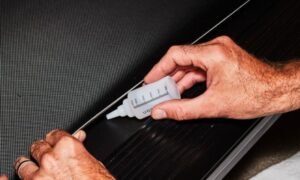
Friction is the biggest enemy of treadmills. Use manufacturer-recommended lubricant every few months to reduce wear on the belt and motor.
2. Check Belt Alignment
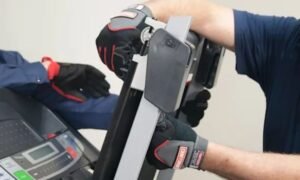
If the belt shifts to one side, it can cause uneven wear. Adjust it immediately to prevent damage.
3. Clean Dust and Debris
Dust buildup can enter the motor housing and cause overheating. Wipe down the machine after daily use.
4. Inspect Electrical Components
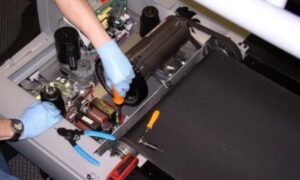
Check for loose wires, display issues, or sudden shutdowns. Early detection prevents major electrical failures.
A simple treadmill care routine is one of the most important parts of any equipment servicing plan for gyms.
Maintenance Tips for Ellipticals
Ellipticals are smoother machines but still require consistent care.
1. Tighten Moving Parts
Pedals, arms, and joints should be checked weekly for looseness. Vibrations during use can gradually loosen bolts.
2. Lubricate Joints
Apply light lubrication to moving joints to prevent squeaking and wear.
3. Inspect Resistance System
If resistance feels uneven or stops working, it may indicate a worn internal mechanism.
4. Clean Handles and Tracks
Sweat buildup can lead to corrosion over time. Regular cleaning improves hygiene and durability.
In commercial gyms, ellipticals often fail due to neglected joints rather than mechanical defects. Routine inspection solves most of these issues early.
Maintenance Tips for Strength Machines
Strength training machines may appear simple, but they require just as much attention as cardio equipment.
1. Check Cables and Pulleys
Frayed cables are a serious safety risk. Replace them immediately if any wear is visible.
2. Inspect Weight Stacks
Ensure weight plates move smoothly without sticking or jamming.
3. Tighten Bolts and Frames
Heavy usage can loosen structural components. Regular tightening prevents instability.
4. Prevent Rust
Keep machines dry and clean, especially in humid environments where rust forms quickly.
A well-maintained strength section not only improves safety but also builds trust among gym members.
Preventive Maintenance Checklist for Gym Equipment
A structured checklist makes maintenance easier and more consistent.
Daily Tasks:
- Wipe down all machines after use
- Check for visible damage or loose parts
- Ensure cables and belts are functioning properly
Weekly Tasks:
- Tighten bolts and screws
- Inspect treadmill belts and elliptical joints
- Clean under and around machines
Monthly Tasks:
- Lubricate moving parts
- Check electrical connections
- Test resistance systems and safety features
Quarterly Tasks:
- Full professional inspection
- Replace worn-out components
- Update or recalibrate digital systems
Following this checklist ensures your preventive maintenance gym equipment strategy stays consistent and effective.
Professional Servicing vs DIY Maintenance
While basic cleaning and inspections can be done in-house, professional servicing plays a critical role in long-term equipment health.
DIY Maintenance:
- Suitable for daily cleaning and visual checks
- Cost-effective
- Helps detect early signs of damage
Professional Servicing:
- Deep mechanical inspection
- Electrical system testing
- Calibration and performance tuning
- Replacement of critical parts
In regions like New Jersey, where gyms are expanding rapidly, many facilities rely on specialized fitness machine maintenance NJ providers to handle advanced servicing. This ensures compliance with safety standards and reduces liability risks.
A balanced approach is ideal: handle daily upkeep internally while scheduling professional maintenance every few months.
Cost-Saving Benefits of Preventive Maintenance
Many gym owners overlook maintenance costs until something breaks. However, preventive care significantly reduces long-term expenses.
1. Fewer Major Repairs
Replacing a motor or cable system is far more expensive than routine lubrication or tightening.
2. Longer Equipment Lifespan
Well-maintained machines can last years longer, delaying replacement costs.
3. Reduced Downtime
Every broken machine means lost revenue in commercial gyms. Preventive care ensures continuous operation.
4. Higher Member Retention
Members are more likely to stay in gyms where equipment is always functional and safe.
5. Better ROI on Equipment Investment
A structured equipment servicing plan ensures you get maximum value from every machine purchased.
In short, preventive maintenance is not an expense—it is a cost-saving strategy.
Real-World Example: The Cost of Neglect
A mid-sized fitness center in a busy urban area once ignored routine maintenance to save costs. Within six months, multiple treadmills began overheating, ellipticals developed resistance issues, and two strength machines required full cable replacement.
The result:
- Repair costs exceeded the annual maintenance budget
- Several machines were out of service for weeks
- Members complained about poor equipment quality
After switching to a structured maintenance schedule, the gym reduced breakdowns by over 70% within a year. This demonstrates how preventive care directly impacts business performance.
Conclusion: Build a Smarter Maintenance Strategy Today
Preventive maintenance is one of the most effective ways to protect gym equipment, reduce costs, and ensure safety. Whether you run a commercial fitness center or maintain a home gym, adopting a consistent preventive maintenance gym equipment routine can dramatically improve performance and longevity.
From treadmills and ellipticals to strength machines, every piece of equipment benefits from regular care. A simple equipment servicing plan, combined with occasional professional inspections, can prevent unexpected breakdowns and expensive repairs.
Instead of reacting to failures, take a proactive approach. Start implementing a structured maintenance schedule today and treat your equipment as the long-term investment it is. The result will be smoother operations, safer workouts, and significant savings over time.