
As a field technician, I’ve seen the same pattern repeat across homes, gyms, and rehab centers: users invest in a treadmill, use it regularly for a few months, and then start dealing with sudden breakdowns, speed fluctuations, burning smells, or complete shutdowns. Most of these issues are not random failures—they are the result of predictable mechanical and electrical stress that builds up over time. When clients ask me for treadmill problems and solutions, I usually start by explaining that a treadmill is essentially a compact machine combining a motor, belt system, rollers, and electronic control board, all of which must stay perfectly balanced to function properly. If even one component is neglected, the entire system begins to fail in stages rather than all at once.
The most common root causes include lack of lubrication, excessive user weight beyond machine limits, unstable flooring, and inconsistent cleaning routines. Dust accumulation inside the motor compartment alone can create overheating issues, while minor belt misalignment can gradually damage rollers and strain the motor. In many cases, what users perceive as a “sudden breakdown” has actually been developing for weeks or months. Proper diagnosis requires listening to the machine’s early warning signs—unusual noise, hesitation during speed changes, or a burning rubber smell are all critical indicators that should never be ignored.
Poor Maintenance Habits and Real-World Repair Cases
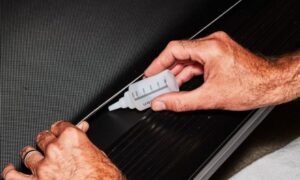
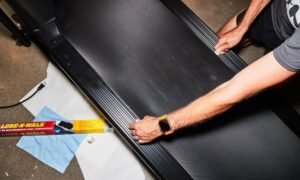
One of the biggest reasons treadmills keep breaking is simple neglect of routine maintenance. In my experience working with home users, I’ve seen treadmills fail within a year purely because they were never lubricated or cleaned internally. The walking belt creates constant friction against the deck, and without silicone lubrication, the motor has to work significantly harder to maintain speed. This leads to overheating, belt wear, and eventually control board stress. A common case I handled involved a client whose treadmill repeatedly stopped after 10–15 minutes of use. The issue wasn’t electrical failure—it was excessive friction due to a completely dry deck.
Another overlooked issue is dust buildup under the motor cover. When dust accumulates on the motor brushes or ventilation area, it restricts airflow and traps heat inside the system. Over time, this causes inconsistent performance and eventual motor burnout. In such cases, even a professional treadmill motor repair NJ service often reveals that the motor itself is not defective—it simply failed due to preventable environmental conditions. Regular cleaning every few weeks and lubrication every 3–6 months depending on usage can significantly extend machine life and prevent most recurring breakdowns.
Motor Strain, Overloading, and Electrical Failures (treadmill motor repair NJ)
Motor strain is another leading cause of repeated treadmill failures, especially in households where the machine is shared by multiple users of different weights and fitness levels. Every treadmill has a specified continuous horsepower rating, and exceeding that limit forces the motor to operate under extreme load conditions. I’ve inspected machines where users consistently ran at high incline settings while also exceeding the recommended weight capacity, which significantly accelerates internal wear and leads to overheating shutdowns.
A typical symptom of motor strain is a treadmill that starts normally but slows down unpredictably under load. In some cases, it may shut off completely mid-workout. When I perform diagnostics, I often find worn carbon brushes, damaged motor bearings, or overheated control boards. These issues are frequently misdiagnosed as “electrical faults,” but in reality, they are stress-related failures caused by improper usage habits. Professional treadmill motor repair NJ cases often reveal that replacing a motor alone is not enough—the underlying usage behavior must also be corrected. Without addressing overload conditions, even a new motor will fail prematurely, repeating the same cycle of breakdowns.
Belt Misalignment, Slipping Issues, and Mechanical Wear (treadmill belt slipping fix)
Another extremely common issue is belt misalignment and slipping, which users often report as a “wobbling” or “jerky” running experience. From a technician’s perspective, this usually begins with minor tension imbalance between the left and right rear roller bolts. When the belt drifts even slightly off-center, it starts rubbing against the side rails, creating heat and friction damage. Over time, this not only damages the belt but also affects the deck surface, making repairs more expensive.
A related issue is belt slipping, where the walking surface fails to maintain grip during use. This is often due to insufficient tension or a worn-out drive belt connecting the motor to the front roller. In one repair case, a client complained that their treadmill would suddenly “surge forward” while walking. The issue was diagnosed as a loose drive belt combined with poor deck lubrication. The proper treadmill belt slipping fix involved adjusting tension, replacing the worn belt, and recalibrating the speed sensor. Many users attempt temporary fixes like tightening bolts without understanding that over-tightening can damage bearings and increase motor load. Proper alignment and tension calibration are essential for long-term stability.
Prevention Strategies and Long-Term Reliability From an Expert Perspective (treadmill problems and solutions)
Preventing treadmill breakdowns is far more cost-effective than repeated repairs, and most long-term reliability issues can be avoided with consistent care. From my professional experience, the most reliable machines are not necessarily the most expensive—they are the ones maintained correctly. A proper maintenance routine includes weekly surface cleaning, monthly belt alignment checks, and scheduled lubrication based on usage frequency. Additionally, ensuring the treadmill is placed on a stable, level surface reduces vibration stress on internal components, significantly extending motor and roller life.
Another key recommendation is to avoid continuous high-intensity usage without rest intervals, especially on home-grade machines. Allowing the motor to cool between sessions prevents overheating damage and improves performance consistency. If issues begin to appear repeatedly—such as sudden stopping, unusual sounds, or speed fluctuations—it is important to seek professional diagnosis early rather than waiting for a complete breakdown. In many cases, early intervention saves both the motor and control board from permanent damage. Ultimately, understanding treadmill problems and solutions from a technical standpoint helps users shift from reactive repairs to preventive maintenance, ensuring long-term reliability, safety, and performance efficiency.