Picture this: A dedicated gym member is halfway through a heavy lat pulldown set when the steel cable suddenly snaps. The weight stack crashes down, and the user jolts backward, narrowly escaping a severe shoulder injury. This alarming scenario happens more often than you might think, and it stems from a single, avoidable mistake: neglecting routine maintenance.
Prioritizing a regular gym equipment inspection keeps your machines running smoothly and protects the people using them. Whether you manage a massive commercial fitness center or simply want your garage gym to stay functional, proactive maintenance is your best defense against accidents and expensive breakdowns.
The Quick Answer
Regular gym equipment inspections proactively identify worn parts, electrical faults, and mechanical stress before they cause catastrophic failures. By replacing damaged components early and keeping machines properly calibrated, you guarantee user safety while dramatically extending the functional life of your valuable fitness investments.
What Is a Gym Equipment Inspection?
A gym equipment inspection is a comprehensive evaluation of your fitness machines to ensure they operate safely and efficiently. While gym owners or staff can perform daily wipe-downs and visual assessments, a true inspection goes much deeper.
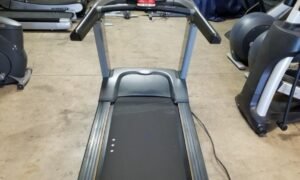
Basic checks involve looking for obvious issues like loose bolts or torn upholstery. However, professional equipment inspection services rely on certified technicians who understand the complex mechanics of modern treadmills, ellipticals, and strength machines. These experts open up motor hoods, test electrical draws, and measure structural integrity to find hidden dangers you cannot see from the outside.
Key Safety Benefits of Regular Inspections
Routine fitness equipment safety checks form the foundation of a secure workout environment. Therefore, understanding the specific safety benefits helps you prioritize these essential services.
Injury Prevention
The primary goal of any inspection is keeping users safe. Technicians identify worn-out parts, such as fraying cables, cracked pedals, or compromised safety catches, long before they snap under pressure. Replacing these components early prevents sudden equipment failure, which is the leading cause of gym-related mechanical injuries.
Early Detection of Mechanical Issues
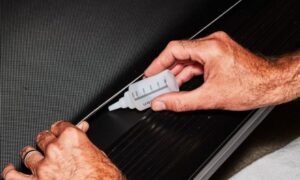
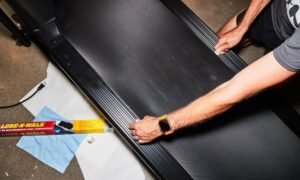
Machines endure immense physical stress daily. An inspection uncovers early warning signs of mechanical failure, including drive belt wear, excessive motor strain, and loose structural hardware. Catching a misaligned walking belt early, for example, prevents users from tripping or slipping during high-speed runs.
Electrical Safety Assurance
Modern cardio equipment draws significant power. Inspections include vital electrical safety checks on wiring, control consoles, and internal power systems. Technicians ensure that grounding wires remain intact and that circuit boards do not overheat, protecting users from dangerous electric shocks or potential fire hazards.
How Inspections Extend Gym Machine Lifespan
Consistent maintenance transforms how your machines age. Preventive maintenance addresses minor wear and tear before it cascades into major structural damage, significantly outperforming a strategy of reactive repairs.
When a single component operates poorly, it forces the rest of the machine to compensate. A dry treadmill belt creates friction, which forces the motor to work twice as hard, eventually burning it out. Routine inspections ensure proper lubrication and alignment, reducing unnecessary strain on internal components. Ultimately, optimizing machine performance this way guarantees a much longer gym machine lifespan.
What Do Professional Inspection Services Include?
Hiring professionals ensures no detail goes overlooked. Certified technicians bring specialized knowledge and tools that go far beyond a standard visual walkthrough.
Comprehensive equipment inspection services typically include:
- Detailed Checklists: Technicians perform step-by-step evaluations, including belt alignment, bearing checks, proper lubrication, and console calibration.
- Diagnostic Tools: Experts use multimeters to check electrical draws, tension gauges for cables, and decibel meters to identify abnormal motor noise.
- Reporting and Recommendations: After the inspection, you receive a transparent report detailing the current health of your machines, alongside actionable recommendations for repairs or part replacements.
Home vs Commercial Gym Inspection Needs
Every gym environment requires maintenance, but the scale and frequency differ heavily based on usage volume.
Home gyms typically see light use from one or two people. Therefore, occasional checks—usually once a year—are enough to keep the equipment safe and operational. Homeowners simply need peace of mind that their personal investment remains secure.
Commercial gyms, on the other hand, require routine, scheduled inspections. Machines run for hours every day, accelerating wear and tear. Furthermore, commercial facilities face strict compliance and liability considerations. If a member suffers an injury on a neglected machine, the facility risks devastating lawsuits. Regular inspections provide documented proof of proper maintenance, shielding the business from liability.
Real-World Scenarios
Experience shows that proactive care always beats reactive scrambling. Consider these two real-world examples that highlight the true value of professional oversight.
Case 1: The Saved Motor
During a routine quarterly inspection at a mid-sized commercial gym, a technician noticed a treadmill pulling a slightly higher electrical current than normal. Upon opening the hood, they discovered a heavily worn drive belt creating excess friction. By replacing the $50 belt immediately, the gym saved the $800 motor from burning out the following month.
Case 2: The Neglected Cable
A homeowner bought a premium functional trainer but never scheduled an inspection over five years of heavy use. A small fray inside the nylon casing of a lifting cable went unnoticed. During a heavy row, the cable snapped, sending the handle flying into the user’s face and requiring an emergency room visit. A simple annual check would have caught the structural weakness instantly.
Cost Savings & ROI of Regular Inspections
Many gym owners view maintenance as an expense, but it is actually a highly profitable investment. Regular inspections lead to significantly lower repair costs over time. Fixing a small issue today prevents buying a massive replacement part tomorrow.
In addition, proactive maintenance drastically reduces machine downtime. Few things frustrate commercial gym members more than “Out of Order” signs draped across their favorite machines. Keeping equipment running smoothly ensures better customer satisfaction, higher member retention rates, and a stronger reputation for your facility.
When to Schedule Equipment Inspections
Timing your inspections correctly keeps you ahead of mechanical failures. The recommended frequency depends on your facility type:
- Monthly or Quarterly: High-traffic commercial fitness centers.
- Biannually: Corporate gyms, hotel fitness centers, and apartment complexes.
- Annually: Private home gyms and lightly used boutique studios.
You should also watch for warning signs that warrant an immediate inspection. If you notice unusual grinding noises, erratic console behavior, burning smells, or jerky movements, call a technician right away.
Building Trust with Professional Technicians
The quality of your maintenance depends entirely on the people performing it. When you book an inspection, look for companies that highlight technician certifications and years of hands-on experience.
Credible technicians utilize thorough, standardized inspection protocols, ensuring no bolt goes unchecked. Moreover, they provide transparent reporting and honest recommendations. They will not push you to replace a machine that simply needs a new bearing, nor will they apply a temporary patch to a machine that poses a severe safety risk.
Secure Your Equipment Today
You cannot afford to wait for a machine to break down before giving it the attention it needs. Prioritizing a regular gym equipment inspection prevents devastating injuries, eliminates costly emergency repairs, and keeps your fitness space running efficiently for years to come.
Do not leave the safety of your gym members or your family to chance. Protect your investment and prevent accidents by booking professional equipment inspection services today.