Picture a busy Monday evening at your fitness center. The after-work rush is in full swing, and every treadmill is occupied. Suddenly, your most popular machine grinds to a halt with a loud screech, forcing a frustrated member to step off mid-run. You hang an Out of Order sign on the display, but the damage is already done. You now face an expensive emergency repair bill, unhappy members, and a machine sitting idle for weeks while you wait for replacement parts. This unexpected downtime directly hurts your bottom line and damages your facility’s reputation.
You can stop scenarios like this before they happen. Catching minor wear and tear before it spirals into a major mechanical failure is entirely in your control. By inspecting belts, lubricating moving parts, and replacing worn cables on a set schedule, you keep machines running smoothly and eliminate the expensive surprise of sudden breakdowns.
Establishing a strict schedule for preventive maintenance gym equipment is a crucial business strategy for any facility owner. It goes far beyond simply wiping down machines at the end of the day. Consistent servicing protects your expensive assets, keeps your members safe, and stops massive repair costs from eating into your profits. Let’s look at exactly how a proactive approach to equipment care protects your investment and ensures your facility runs without a hitch.
What Is Preventive Maintenance in Gym Equipment?
Preventive maintenance is the routine, scheduled upkeep of your gym machines designed to keep them running safely and efficiently. Instead of waiting for a cable to snap or a treadmill motor to burn out, you actively inspect, clean, and adjust your equipment on a strict timeline. Proper fitness equipment servicing involves everything from tightening loose bolts and lubricating guide rods to calibrating software and testing safety mechanisms. It is a proactive strategy to catch minor wear and tear before it escalates into a major mechanical failure.
Preventive vs. Reactive Maintenance
To understand the value of preventive care, you must understand the difference between proactive and reactive approaches.
Reactive maintenance is the “run-to-failure” method. You wait until a machine breaks down completely before you call a technician. While this might seem cheaper in the short term, reactive maintenance always costs more. You end up paying emergency service rates, buying expensive replacement parts, and dealing with significant downtime.
Preventive maintenance puts you in control. By following a set schedule, you identify small issues early. A $10 worn belt is replaced before it destroys a $500 motor. This approach dramatically extends the lifespan of your machines and ensures they perform at their best every single day.
Why It Matters for Commercial and Home Gyms
Whether you operate a massive fitness center or a dedicated garage gym, consistent upkeep is non-negotiable.
For Commercial Gyms:
High-traffic facilities put immense strain on equipment. When hundreds of members use a single machine each week, the rate of wear accelerates rapidly. Preventive care protects your primary revenue source. It minimizes liability risks by preventing accidents caused by equipment failure. Furthermore, a facility full of smooth, fully operational machines boosts member retention and satisfaction.
For Home Gyms:
Even without the heavy foot traffic of a commercial space, home gym equipment still degrades over time. Dust buildup, lack of lubrication, and temperature fluctuations can ruin your personal investment. Regular maintenance keeps your setup safe for your family and ensures your expensive gear lasts for decades instead of just a few years.
Why Preventive Maintenance Saves Money
Facility managers often view maintenance as just another line item on the budget. However, treating equipment care as an optional expense is a massive financial mistake. Preventive maintenance is an investment that protects your capital and keeps your business profitable. When you implement a strict maintenance schedule, you actively protect your bottom line in several key ways.
Reducing Emergency Repair Costs
Emergency repairs carry a heavy premium. When a machine breaks down unexpectedly, you pay rush fees for technicians and expedited shipping for replacement parts. Worse, reactive repairs often require major overhauls. A loose drive belt on a treadmill costs very little to adjust during a routine service check. If left ignored, that slipping belt causes the motor to work harder, eventually burning out the control board and the motor itself. What could have been a $20 adjustment quickly spirals into a $1,000 emergency repair.
Extending Equipment Lifespan
Commercial gym equipment requires a massive upfront capital investment. A high-end elliptical or cable crossover machine should last for many years, but only if you take care of it. Regular cleaning, lubrication, and calibration reduce the daily friction and strain on internal components. By servicing your fitness equipment properly, you can easily double its functional lifespan. Getting ten years of heavy use out of a machine instead of five effectively cuts your long-term capital expenditure in half.
Avoiding Downtime Losses
Every day a machine sits idle with an “Out of Order” sign, it costs you money. In commercial gyms, extended downtime frustrates members and leads to canceled contracts. If a specialized piece of equipment is out of commission for weeks waiting on parts, personal trainers might also have to modify or cancel sessions, resulting in direct revenue loss. Preventive care keeps your floor fully operational, ensuring every square foot of your facility generates value.
Improving Member Satisfaction
Your members pay for access to safe, smooth, and functional equipment. When machines squeak, stick, or fail to turn on, members quickly lose trust in your facility. Routine maintenance ensures that weight stacks glide effortlessly and treadmill belts run smoothly. Providing a premium, reliable workout experience directly boosts member retention and drives positive word-of-mouth referrals.
Reducing Liability Risks
Safety is the most critical aspect of facility management. If a frayed cable snaps mid-set or a poorly maintained pedal breaks off during a heavy sprint, the resulting injury can be catastrophic. Equipment-related injuries lead to costly lawsuits, massive settlements, and skyrocketing insurance premiums. Preventive maintenance ensures that safety mechanisms, cables, and structural bolts are thoroughly inspected and replaced before they fail. Keeping detailed maintenance logs also proves that your facility exercises due diligence, which protects you from negligence claims.
Complete Preventive Maintenance Checklist for Gym Equipment
A successful equipment management strategy relies on consistency. You cannot simply wait for a machine to sound wrong before you give it attention. To protect your investment and keep your members safe, you must follow a strict, schedule-based approach.
Use this comprehensive checklist to build a reliable maintenance protocol for your facility.
Daily Maintenance
Daily upkeep is your first line of defense against equipment failure. These tasks take only a few minutes per machine but prevent major issues down the line.
- Cleaning sweat and dust: Sweat is highly corrosive. It eats through upholstery, rusts metal frames, and destroys electronic consoles. Staff must wipe down all pads, grips, and screens using a non-abrasive, gym-safe antibacterial cleaner at the end of every day.
- Visual inspection for damage: Walk the floor and look at every machine. Check for cracked plastic shrouds, torn upholstery, or missing pop-pins. Catching these visible signs of wear early keeps the floor looking professional and prevents injuries.
- Checking safety features: Never compromise on user safety. Test the emergency stop buttons and pull-cords on every treadmill. Ensure safety catches on Smith machines and squat racks engage properly.
Weekly Maintenance
Vibration and heavy use loosen hardware quickly. Set aside time each week to focus on the mechanical integrity of your machines.
- Tightening bolts and screws: Grab your toolset and inspect the structural hardware. Pay special attention to pivot points on elliptical trainers, crank arms on stationary bikes, and the frame bolts on heavy cable crossovers.
- Checking cables and belts: Inspect the entire length of the cables on your selectorized strength machines. Look for any fraying, kinks, or exposed inner wires. On cardio equipment, check the drive belts for signs of cracking or slipping.
- Lubrication of moving parts: Friction destroys gym equipment. Apply a silicone-based lubricant to the guide rods of your weight stacks so the plates glide smoothly. Wipe away any old, sticky residue before applying the new lubricant.
Monthly Maintenance
Monthly tasks require a bit more technical focus. This is when you look beneath the surface to ensure the internal components operate efficiently.
- Electrical system checks: Inspect all power cords for cuts, crimps, or exposed wires. Ensure that plugs sit securely in their outlets and that machines are properly grounded. Damaged cords are a severe fire hazard and must be replaced immediately.
- Calibration of machines: Cardio machines lose their accuracy over time. Run the internal calibration sequences on your treadmills to reset the speed and incline sensors. This ensures the console data matches the actual mechanical output.
- Deep cleaning of equipment: Dust and lint are the natural enemies of electronic components. Unplug your treadmills and carefully remove the motor covers. Vacuum out the dust and debris that accumulates around the motor and control board to prevent overheating.
Quarterly and Annual Maintenance
Major preventative tasks require specialized knowledge and tools. Bring in an expert facility maintenance technician to handle these heavy-duty requirements.
- Professional servicing: A certified technician will spot complex mechanical issues that your daily staff might miss. Schedule a professional walkthrough at least two to four times a year, depending on your facility’s foot traffic.
- Motor inspection (treadmills): Technicians will test the amp draw on your treadmill motors. A high amp draw indicates that the walking belt is worn out and creating too much friction, which will eventually burn out the motor and lower control board.
- Bearing and belt replacement: Do not wait for bearings to seize or drive belts to snap. Replace worn belts, noisy bearings, and heavily used cables on an annual schedule to guarantee uninterrupted performance.
- Full safety audit: Complete a comprehensive safety review of your entire inventory. Document all repairs, replaced parts, and inspection dates. Maintaining a detailed paper trail proves your commitment to safety and protects your business from liability claims.
Common Problems Prevented by Regular Maintenance
When you neglect your fitness floor, small mechanical issues inevitably compound into major operational failures. You can avoid the vast majority of equipment breakdowns simply by adhering to a consistent maintenance schedule. Let’s look at the most frequent problems that routine care easily prevents.
Treadmill Belt Slipping
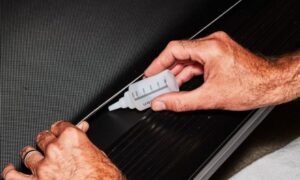
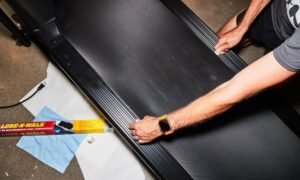
A slipping treadmill belt creates a terrifying experience for the user. When a runner’s foot strikes the deck and the belt hesitates, it often leads to falls and severe injuries. This problem typically stems from improper belt tension or a severe lack of lubrication between the running belt and the deck. Routine servicing ensures technicians adjust the tension precisely and apply the correct silicone lubricant to keep the belt moving flawlessly.
Cable Machine Snapping
A snapped cable on a lat pulldown or crossover machine acts like a dangerous whip. When a cable fails under a heavy load, the user loses resistance instantly, which frequently causes muscle tears or joint damage. Cables do not snap without warning; they fray and shed their protective nylon coating over time. A strict maintenance protocol guarantees you spot and replace these degrading cables long before they reach the breaking point.
Resistance Failure
Members expect a smooth, consistent challenge when they use ellipticals, stationary bikes, or rowers. Resistance failure ruins the workout experience and renders the machine completely useless. This issue often occurs when dust clogs magnetic resistance generators or when physical friction pads wear down to the metal. Regular cleaning and mechanical calibration keep the resistance systems engaging correctly and responding accurately to user inputs.
Electrical Faults
Modern gym equipment relies heavily on complex circuit boards and digital touchscreens. Sweat is highly corrosive and easily seeps into console housing, causing buttons to fail and screens to short out entirely. Additionally, dust accumulation inside treadmill motor compartments traps heat, which eventually melts wiring and burns out lower control boards. Proactive maintenance involves blowing out this dust and inspecting wire harnesses to prevent expensive electrical failures and fire hazards.
Excessive Noise Issues
Grinding, squeaking, and clanking sounds make your facility feel cheap and poorly managed. These irritating noises almost always indicate a severe lack of basic maintenance. Dry guide rods squeak loudly when weight stacks move, while failing internal bearings produce a deep, metallic grinding sound. By systematically lubricating pivot points and replacing worn bearings early, you maintain a quiet, professional, and welcoming workout environment.
What Is a Gym Repair Contract?
Managing a busy fitness center requires your full attention. You have staff to train, members to assist, and daily operations to oversee. Trying to manage complex mechanical servicing on top of everything else often leads to overlooked details and sudden equipment failures. This is exactly where a professional gym repair contract becomes your most valuable operational tool.
A gym repair contract is a formal, ongoing service agreement between your facility and a certified fitness equipment maintenance provider. Instead of calling a technician only when a treadmill starts smoking or a cable snaps, you partner with experts who manage the health of your equipment proactively. This partnership shifts the burden of equipment care off your shoulders and places it into the hands of trained professionals.
What Does a Service Contract Include?
A comprehensive agreement covers far more than basic repairs. When you sign a gym repair contract, you typically secure a complete care package tailored to the specific needs and volume of your facility.
- Scheduled Visits: Technicians visit your facility on a set cadence—usually monthly or quarterly—to perform deep-level maintenance tasks that your daily staff cannot handle.
- Detailed Inspections: Experts open up motor compartments, test electrical draws, inspect deep-seated bearings, and check the structural integrity of every machine on your floor.
- Routine Repairs and Calibration: The service includes tightening components, replacing worn drive belts, calibrating digital sensors, and applying specialized industrial lubricants to moving parts.
- Priority Emergency Response: If a machine does go down unexpectedly, contract holders receive priority dispatch, ensuring your equipment is back up and running in days rather than weeks.
Benefits for Commercial Gyms
Partnering with a dedicated maintenance provider transforms how your business operates. The most immediate benefit is absolute peace of mind. You no longer have to worry about whether a squeaking elliptical is safe for the next user.
Furthermore, a service contract provides vital liability protection. By keeping formal, third-party logs of all inspections and repairs, you prove that your facility exercises strict due diligence regarding member safety. If an accident ever occurs, these service records are your primary defense against negligence claims. You also guarantee that your members always experience a premium, fully functional workout environment, which directly boosts retention rates and positive reviews.
Cost Savings Over Time
Many facility owners hesitate at the upfront cost of a service agreement, viewing it as an added expense. In reality, a gym repair contract is a proven cost-saving measure.
Routine servicing catches minor wear and tear before it triggers a catastrophic failure. Replacing a $15 frayed cable during a scheduled visit prevents a sudden snap that could destroy weight stack guide rods or injure a member. Additionally, service contracts often include discounted labor rates and lower prices on replacement parts. By extending the usable life of your machines by several years, you drastically reduce your long-term capital expenditure, keeping more profit in your business.
Conclusion
Preventive maintenance for gym equipment is not an optional luxury; it is a fundamental business strategy. Waiting for machines to break down guarantees that you will pay premium emergency repair rates, suffer through extended downtime, and permanently damage the reputation of your facility.
Taking a proactive approach completely changes this dynamic. By implementing daily cleaning habits, enforcing a strict servicing schedule, and addressing minor mechanical issues immediately, you protect your massive upfront capital investment. Well-maintained equipment simply lasts longer, performs better, and provides a vastly superior experience for your members.
Most importantly, consistent maintenance protects the physical safety of everyone who walks through your doors. Securing a professional gym repair contract is the smartest way to guarantee this high standard of care. It takes the guesswork out of equipment management, stabilizes your operational budget, and lets you focus on what you do best: running a successful, profitable fitness facility. Do not wait for your most popular machine to fail. Audit your equipment today, establish a preventative care routine, and partner with a certified maintenance provider to secure the future of your business.