Walk into any fitness center, and nothing kills momentum faster than an “Out of Order” sign taped to a popular machine. Equipment breakdowns frustrate paying members, disrupt workouts, and severely damage a facility’s reputation. Worse still, neglected machines pose massive safety risks that can lead to severe injuries and expensive lawsuits.
If you manage a commercial fitness facility, you simply cannot afford to ignore routine upkeep. Implementing a strict gym equipment maintenance schedule is critical for keeping your doors open and your members happy. When you prioritize preventive care, you protect your business from sudden equipment failures and massive replacement costs.
Let us break down exactly how to protect your assets, secure your facility, and keep your machines running smoothly.
What is Commercial Gym Maintenance?
Commercial gym maintenance involves a systematic, scheduled approach to cleaning, inspecting, repairing, and replacing high-traffic fitness assets. It goes far beyond simply wiping down sweat from a bench. Facility managers must track component wear, apply specific lubricants, adjust mechanical tensions, and calibrate electronic displays.
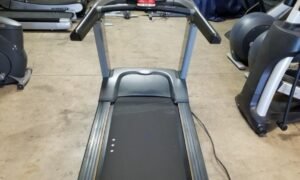
There is a massive difference between home gym upkeep and commercial gym maintenance. A home treadmill might see three hours of use per week. A commercial treadmill at a busy health club handles constant, pounding usage for over twelve hours every single day.
Because of this intense wear and tear, commercial facilities require strict, documented maintenance protocols. Home equipment components degrade slowly, while commercial parts face accelerated friction and heat. Failing to treat commercial machines with industrial-grade maintenance protocols guarantees early failure.
Why Gym Equipment Maintenance Matters
If you view machine upkeep as an optional expense, your facility will eventually pay a much higher price. Routine maintenance directly impacts your bottom line, your legal standing, and your daily operations.
Safety Risks of Poor Maintenance
When a 200-pound user pulls on a lat pulldown bar, they trust the cable holding the weight stack. A snapped cable under tension acts like a whip, causing catastrophic injuries. Slipping treadmill belts can easily throw a runner off the machine. Proper inspections identify fraying cables and loose belts before they cause harm.
Cost of Repairs vs. Prevention
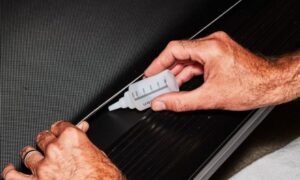
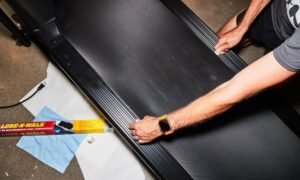
Applying a five-dollar tube of silicone lubricant takes ten minutes and saves a treadmill motor from burning out. Replacing that burned-out motor will cost you well over a thousand dollars, plus expensive labor fees. Preventive care minimizes friction and heat, which are the main destroyers of fitness equipment.
Member Satisfaction and Retention
Members pay their monthly dues expecting fully functional equipment. If they repeatedly find their favorite elliptical broken, they will cancel their memberships and join your competitor. Clean, functioning equipment keeps member retention rates high and generates positive word-of-mouth.
Equipment Lifespan Improvement
Cardio and strength machines require massive capital investments. Routine maintenance can extend the lifespan of a commercial treadmill from four years to over eight years. You maximize your return on investment simply by keeping the machines tuned and clean.
Gym Reputation Impact
Online reviews dictate the success of modern fitness centers. A gym known for broken equipment, squeaky machines, and torn upholstery quickly earns a terrible reputation. Consistently maintained gear signals to your members that you care about their safety and experience.
The Complete Fitness Equipment Service Checklist
To keep your facility running smoothly, you need a structured daily, weekly, monthly, and yearly plan. Follow this detailed fitness equipment service checklist to organize your operations.
Daily Checks
Your floor staff should complete these visual and functional inspections every single day before peak hours.
- Treadmill Inspection: Turn on every treadmill to check for error codes. Walk on the belt at a low speed to ensure it moves smoothly without catching or grinding.
- Cable Machine Safety Check: Inspect every inch of exposed cable on selectorized weight machines. Look for cracked rubber casing or exposed metal wires. Check the carabiners and attachments for tight closures.
- Cleaning and Sanitization: Wipe down all upholstery, handles, and screens with non-corrosive, gym-safe antibacterial cleaners. Sweat contains salt, which rapidly rusts exposed metal frames if left unchecked.
Weekly Checks
Dedicate a slow afternoon or early morning to these mechanical adjustments.
- Belt Tension Adjustment: Check the walking belts on treadmills and drive belts on spin bikes. Adjust the tension bolts if the belts feel loose or slip under body weight.
- Bolt Tightening: Vibration loosens hardware over time. Walk the floor with a set of Allen wrenches and socket wrenches. Tighten the framework bolts on squat racks, benches, and heavy functional trainers.
- Lubrication of Moving Parts: Apply manufacturer-approved silicone or Teflon-based dry lubricant to guide rods on weight stacks. This prevents the plates from sticking and reduces friction.
Monthly Checks
Managers or head maintenance staff should handle these deeper technical inspections.
- Electrical System Inspection: Check power cords for crimps, exposed wires, or heavy wear. Ensure power strips and designated outlets are not overloaded.
- Calibration of Machines: Re-calibrate cardio equipment consoles to ensure speed, incline, and resistance outputs match the physical hardware.
- Deep Cleaning Schedule: Remove the motor covers (shrouds) on treadmills and ellipticals. Vacuum the accumulated dust and debris around the motor and circuit boards to prevent overheating.
Quarterly and Annual Maintenance
Bring in specialized help or allocate deep operational downtime for these major tasks.
- Professional Servicing: Have certified fitness technicians conduct a full diagnostic sweep of your entire inventory. They can spot internal issues your staff might miss.
- Motor Inspection: Check treadmill motor brushes for excessive wear. Inspect the commutators for burn marks and replace the brushes if they fall below manufacturer minimums.
- Replacement of Worn-Out Parts: Swap out heavily worn pedal straps, torn upholstery pads, and fading warning decals. Replace strength machine cables annually, even if they look fine outwardly.
Common Gym Equipment Problems and Fixes
Even with perfect maintenance, moving parts eventually fail. Here is how to handle the most frequent equipment headaches.
Treadmill Belt Slipping
When a user plants their foot and the belt hesitates, it causes a dangerous tripping hazard. This usually means the walking belt has stretched out over time. To fix this, locate the tension bolts at the rear roller. Turn both bolts a quarter-turn clockwise to tighten the belt evenly.
Resistance Machine Cable Wear
Cables wear out fastest around the pulleys. If you see the nylon coating peeling away to reveal the raw steel cable beneath, take the machine out of service immediately. You cannot repair a frayed cable; you must replace it entirely using the manufacturer’s exact specifications.
Elliptical Noise Issues
Ellipticals contain multiple pivoting joints, wheels, and tracks. A loud squeaking or grinding noise usually points to a dry wheel track or a failing bearing. First, aggressively clean the wheel tracks to remove dust buildup. If the noise persists, grease the pivot joints or replace the damaged wheel bearing.
Bike Resistance Failure
If a spin bike or upright stationary bike loses its resistance, the issue lies in the tension cable or the magnetic braking system. For friction-based bikes, you likely need to replace the worn brake pads. For magnetic bikes, inspect the tension wire to ensure it physically moves the magnets closer to the flywheel when the dial turns.
Professional Maintenance vs. In-House Maintenance
Facility managers constantly debate whether to handle upkeep internally or outsource it to professionals. Both options have their place in a well-run gym.
Pros and Cons of Each
In-house maintenance saves money on labor and allows for immediate response times to sudden breakdowns. However, gym staff often lack the deep technical knowledge required for complex electronic or motor repairs. Professional technicians bring specialized tools, diagnostic software, and massive experience, but their hourly rates can be high.
When to Hire Professionals
Always call a professional for internal motor repairs, circuit board failures, or complex warranty work. Tampering with internal electronics yourself often voids the manufacturer’s warranty. You should also hire professionals for your annual full-facility audit to ensure liability compliance.
Cost Comparison
Training your staff to do daily cleaning, cable checks, and basic lubrication costs almost nothing. Conversely, hiring a pro just to tighten a treadmill belt is a massive waste of resources ($100-$150 per hour). The most cost-effective strategy blends in-house daily/weekly checks with quarterly professional servicing.
Expert Tips for Extending Equipment Life
Want to squeeze an extra two years of life out of your cardio deck? Follow these expert strategies.
Proper Usage Guidelines
Educate your members on proper machine etiquette. Put up signage asking members not to drop selectorized weight stacks roughly, as this cracks the plates and stretches the cables. Instruct users to stand on the treadmill side rails before starting the belt, which dramatically reduces the startup strain on the motor.
Preventive Maintenance Strategy
Never wait for a machine to break. Track every piece of equipment on a centralized spreadsheet. Log the purchase date, warranty expiration, and exact dates for required maintenance milestones. Swap out wearable items based on time in service, rather than waiting for them to snap.
Staff Training Importance
Your front desk staff and personal trainers are your eyes and ears on the gym floor. Train them to recognize the smell of a burning motor or the sound of a bad bearing. Empower them to confidently place “Out of Order” signs on compromised equipment the second they notice an issue.
Safety Standards and Compliance
Ignoring maintenance does not just hurt your wallet; it exposes your business to massive legal risk. You must adhere to industry safety guidelines to protect your members and your corporate entity.
Industry Safety Guidelines
Organizations like ASTM International set specific safety standards for fitness facility operations. These guidelines dictate safe spacing between machines, proper anchoring for heavy squat racks, and acceptable wear limits for cables and belts. Familiarize yourself with these benchmarks to keep your floor compliant.
Maintenance Logs Importance
If a member gets injured on a leg press and decides to sue your facility, your maintenance logs become your primary defense. Thorough, dated logs prove that your facility acted responsibly and conducted routine safety checks. Without paper or digital proof of maintenance, courts often side with the injured plaintiff due to perceived negligence.
Liability Risks if Ignored
When you knowingly ignore a fraying cable to save money, you commit gross negligence. Insurance companies routinely deny claims if they discover the facility bypassed basic maintenance protocols. Always prioritize user safety over machine availability.
Conclusion
Gym equipment maintenance stands as the invisible backbone of every successful fitness center. Without it, machines break down, members leave, and liability risks multiply. By understanding the mechanics of your assets and committing to a structured schedule, you secure the long-term health of your business.
Start taking control of your facility today. Print out the checklists provided, train your floor staff on daily inspections, and call a certified technician to schedule your next quarterly audit. Consistent maintenance turns your fitness equipment from a liability into a reliable, profit-generating asset.