
A treadmill belt slipping issue can turn a solid workout into a safety hazard. Whether you’re a daily runner or maintain a small gym, a belt that slows or slides underfoot usually signals an underlying problem, often with tension, lubrication, or alignment. Ignoring it can wear out the motor, damage the deck, or cause injuries.
This guide breaks down the five best, practical ways to fix a slipping treadmill belt. You’ll learn how to identify the cause, make accurate adjustments, and know when it’s time to call fitness equipment repair professionals.
1. Check and Adjust the Belt Tension
A loose belt is the most common cause of slippage. Over time, every treadmill belt stretches slightly from constant use. When it becomes too loose, it loses traction against the front roller, creating that “slip” feeling underfoot. Before grabbing tools, unplug your treadmill for safety. Then, lift the belt’s edge at the center. If you can lift it more than 2–3 inches, it’s too loose. Use the adjustment bolts located at the back end of the treadmill deck to tighten it evenly on both sides.
Steps to Tighten Correctly
- Turn both bolts clockwise in quarter turns.
- Check the tension after each adjustment.
- Walk on the treadmill at low speed to test the fix.
Over-tightening can cause friction burns on the deck and strain the motor, so always aim for balance. If the belt keeps loosening despite proper adjustment, the issue might be with the roller alignment or worn tension bolts, a sign to contact a treadmill repairman or fitness equipment repair technician in New Jersey.
2. Realign the Treadmill Belt
Even a properly tightened belt can slip if it’s not centered. Misalignment makes the belt drift to one side, rubbing against the frame and creating uneven tension.
Start by running the treadmill at low speed and watching how the belt tracks. If it moves toward one edge, adjust only the bolt on that side, clockwise to move it right, counterclockwise to move it left.
Quick Alignment Tips
- Make small, quarter-turn adjustments.
- Let the belt run for 1–2 minutes after each tweak.
- Stop immediately if you hear scraping or see fraying edges.
If alignment problems persist, it’s possible the rollers or deck have uneven wear. In such cases, professional gym equipment repair services in NJ can perform a detailed inspection and replace damaged parts before they worsen.
3. Lubricate the Belt and Deck
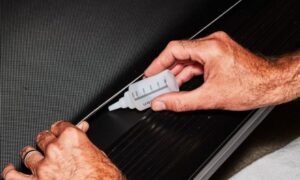
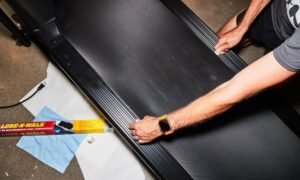
Lack of lubrication is another common cause of slipping. When friction between the belt and deck increases, the motor must work harder, and the belt can stutter or slip suddenly. Use only a silicone-based treadmill lubricant recommended by the manufacturer, never WD-40 or household oils. Unplug the treadmill, lift the belt slightly, and apply a thin layer of lubricant across the deck’s center area.
Maintenance Frequency
- Light use (1–2 hours weekly): every 6 months
- Regular use (3–5 hours weekly): every 3 months
- Heavy use (home gyms or small facilities): every 1–2 months
Consistent lubrication not only stops slipping but also extends motor life and reduces belt wear. If you’re unsure how to do it, a certified fitness machine technician in New Jersey can perform a full maintenance service.
4. Inspect the Drive Belt and Motor Components
Sometimes, the treadmill belt isn’t the real problem, the drive belt connecting the motor to the front roller can also slip. If the treadmill slows down suddenly when you step on it, even though the walking belt feels fine, that’s a classic drive-belt issue.
To check it, unplug the treadmill and remove the motor cover. If the drive belt looks cracked, shiny, or loose on the roller, it may need tightening or replacement.
Signs You Need a Replacement
- Burnt rubber smell while running
- Squealing noise from the motor area
- Belt slips even after deck adjustments
Replacing a drive belt requires precise alignment and tension calibration. For safety and accuracy, it’s best handled by treadmill repair experts or gym equipment repair specialists in NJ.
5. Evaluate the Rollers and Deck Surface
If tension, alignment, and lubrication all check out, inspect the treadmill rollers and deck. Worn rollers can’t grip the belt effectively, causing intermittent slippage. Similarly, a slick or damaged deck surface reduces traction. Remove the motor hood and side panels to check for dirt buildup, cracks, or uneven surfaces. Clean rollers with a dry cloth and mild cleaner. If you notice deep grooves or visible wear, replacement may be necessary.
Routine fitness equipment repairs in NJ typically include a deck inspection, roller lubrication, and belt calibration. Regular maintenance every 6–12 months can prevent most slipping issues and keep your treadmill performing like new.
When to Call a Professional
If you’ve tried adjusting and lubricating your treadmill but the belt still slips, don’t risk further damage. A trained treadmill repairman in New Jersey can diagnose motor torque issues, roller misalignment, or electronic faults that aren’t visible externally. Look for certified fitness equipment repair technicians who specialize in home and commercial treadmills. They can perform diagnostics, replace worn parts, and recalibrate your treadmill safely.
Need expert help? Contact trusted treadmill repairs in New Jersey today for a quick, affordable service that keeps your machine running smoothly.
Conclusion
A slipping treadmill belt isn’t just annoying, it’s a warning sign. From simple tension adjustments to more complex motor inspections, fixing it promptly protects your investment and ensures safe workouts. If you’ve covered the basics and still face issues, reach out to experienced gym equipment repair professionals in NJ. Regular maintenance from skilled fitness machine technicians saves time, reduces repair costs, and keeps your treadmill performing reliably for years.
Schedule your next fitness equipment repair in New Jersey today and give your treadmill the professional care it deserves.
FAQs
Why does my treadmill belt keep slipping even after tightening?
If tightening doesn’t solve it, the issue might be with roller alignment or a worn drive belt. A technician can inspect internal components to find the exact cause.
How often should I lubricate my treadmill belt?
Most manufacturers recommend every 3–6 months, depending on usage. Regular lubrication minimizes friction and prevents future slipping.
Can I use any lubricant on my treadmill?
No. Only silicone-based lubricants approved for treadmill use are safe. Petroleum or household oils can damage the belt and deck.
Is a slipping treadmill dangerous?
Yes. It increases the risk of sudden imbalance or falls. Always address slippage early or book a treadmill repair in New Jersey for safety inspection.
How much does professional treadmill repair cost in NJ?
Basic maintenance visits start around $100–$150, while part replacements can range higher depending on the issue and brand. Getting an estimate from local gym equipment repair services in NJ ensures transparent pricing.