
If your treadmill feels rough underfoot or starts making that telltale squeak, the problem often lies in the walking belt. It’s the most used part of any treadmill, yet one of the most misunderstood. The belt’s material, texture, and maintenance needs can dramatically affect performance, comfort, and even safety.
Knowing the differences in walking belts helps you make smarter repair and replacement choices. Whether you’re maintaining a home treadmill or managing commercial gym equipment, understanding how these belts vary can save money and extend your machine’s life.
What Exactly Is a Walking Belt?
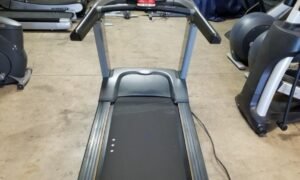
A walking belt is the moving surface you walk or run on. It loops around the front and rear rollers, powered by the motor. The deck underneath supports the belt’s movement, and the friction between the two determines how smooth or noisy your treadmill feels.
When belts wear out, the symptoms are subtle at first: a faint slip, extra noise, or the need to increase speed just to maintain your pace. Over time, friction builds, the motor strains, and repair costs climb. This is where proper maintenance and knowing what kind of belt you have makes a difference.
Key Differences in Walking Belts
1. Material and Construction
Walking belts come in different materials and layers, each with its own benefits.
- PVC belts are common in affordable treadmills. They’re lightweight but not built for long-term heavy use.
- Urethane or rubber belts are thicker, more flexible, and resist heat better, making them ideal for gyms or studios.
- Fabric backing (usually cotton or polyester) reduces friction with the deck and helps prevent overheating.
Higher-end treadmills use multi-ply belts, often two or four layers combined for strength and flexibility. Budget treadmills often use single-ply belts, which wear faster and can stretch unevenly.
If you notice fraying edges or slipping, a certified fitness equipment repair expert can assess whether the belt needs tightening, lubrication, or replacement.
2. Belt Surface and Texture
The texture of the belt affects grip, noise, and comfort.
- Smooth belts create a quieter workout experience and are perfect for walking or light jogging.
- Textured belts, often with a diamond or ribbed pattern, provide better traction and sweat resistance for higher-intensity training.
Gyms usually prefer textured belts because they hold up well under constant use. For home treadmills, smooth belts are often more comfortable. A local fitness machine repair company can help you choose the right belt surface when replacing or upgrading your equipment.
3. Lubrication and Maintenance Type
Another key difference is how each belt handles lubrication.
- Pre-lubricated belts are infused with silicone or wax during manufacturing. They require less maintenance and are common in newer home models.
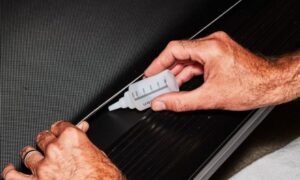
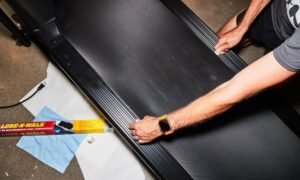
- Manual lubrication belts need regular silicone application to prevent friction damage.
Skipping lubrication is one of the top causes of treadmill breakdowns. Excess friction can overheat the motor and wear out rollers, leading to costly repairs. Regular exercise equipment maintenance, checking lubrication, belt alignment, and tension, keeps everything running efficiently.
If you’re unsure, professional treadmill diagnostics can measure friction levels and spot issues before they escalate.
4. Size, Fit, and Compatibility
Even a small size mismatch can cause slippage or uneven movement. Always check your treadmill’s model number before ordering a replacement belt.
A fitness machine technician can ensure proper fit and handle the installation and calibration, aligning the belt to the deck and adjusting tension precisely. That precision matters because a belt that’s even slightly off-center can wear unevenly or strain the motor.
5. Usage Level: Home vs. Commercial
Not all walking belts are designed for the same workload.
- Home treadmills use thinner belts designed for moderate use and quiet operation.
- Commercial treadmills feature thicker, multi-layer belts built to handle thousands of miles per year. These are often wax-coated to minimize heat and friction.
If you operate a gym, setting up a preventive maintenance plan for fitness equipment is essential. Regular inspections can catch early wear, keep belts properly lubricated, and prevent downtime that frustrates members.
How Maintenance Affects Belt Lifespan
A well-maintained belt can last three to five years, depending on usage. Neglect it, and you might be looking at replacements every 12 to 18 months.
To extend your belt’s life:
- Wipe the surface after each use to remove dust and sweat.
- Check belt centering monthly.
- Keep the area under your treadmill clean.
- Schedule annual fitness equipment servicing to inspect the belt, rollers, and deck.
Many gym equipment repair services in New Jersey offer ongoing maintenance plans that include lubrication, cleaning, and performance testing. These visits often catch small issues before they turn into big repair bills.
When It’s Time to Call a Professional
If your treadmill feels uneven, slows unexpectedly, or smells like burning rubber, stop using it. Those are signs of excessive friction or a failing belt.
A treadmill repairman can test tension, inspect the deck, and use diagnostic tools to check for hidden damage. Replacing the belt early prevents motor burnout, a repair that can cost far more than the belt itself.
For gyms, partnering with a commercial fitness equipment repair provider ensures minimal downtime and consistent performance across all machines. Some companies even offer emergency service calls for urgent repairs.
Conclusion
Walking belts may look similar, but the differences in materials, texture, lubrication, and construction all impact how a treadmill performs. Paying attention to these details and scheduling regular treadmill servicing keeps your equipment running smoothly for years.
If you’re unsure about your treadmill’s condition or need help finding the right replacement belt, contact a fitness equipment repair technician near you. Professional guidance not only saves time and money but ensures your machine stays safe and reliable for every workout.
FAQs
How can I tell if my treadmill belt needs replacing?
If the belt feels slick, frayed, or slips during use, it’s likely worn. A technician can test its thickness and tension to confirm.
Can I replace a walking belt on my own?
It’s possible but not ideal. Proper alignment and calibration require tools and experience that gym equipment repair specialists have.
What happens if I don’t lubricate my belt?
The motor works harder, causing overheating and premature wear. Regular lubrication prevents costly breakdowns.
Are commercial treadmill belts worth the extra cost?
Yes, for gyms or multi-user setups. They’re thicker, quieter under load, and designed for continuous use.
Where can I find treadmill repairs near me in NJ?
Search for fitness equipment repairs near me NJ or contact local certified fitness machine repair experts who handle both residential and commercial service calls.