Ellipticals are some of the best home cardio machines—low-impact, full-body, and long-lasting. But as with everything, they need a little TLC from time to time. The good news? You don’t need to call in the experts every time something creaks or runs. With a little bit of knowledge and a few simple tools, you can fix most minor issues yourself.
Whether you’re trying to rid your machine of an odd creak, fix a resistance issue, or just keep everything in good working order, this book takes you through the basics of do-it-yourself elliptical repair—with easy steps and tips that pay off in the long run.
Learning About How Your Elliptical Works
It’s fun to learn what’s happening behind the scenes—or in the flywheel and console, if you will—before you try doing repairs.
Ellipticals consist of a couple of big pieces:
- The large main pieces in the middle are the flywheel, resistance system, pedals, drive belt, and console.
- All of these work together to provide your workout. If any of them aren’t working, you’ll hear strange noises, experience jerky motion, or nothing.
Having these fundamentals in place allows you to notice issues earlier and figure out whether it is something that you can repair yourself or have a professional take a look at.
Maintain your equipment in working order—learn to identify problems early with a little help from a good elliptical repair technician or local elliptical repair shop.
Elliptical Issues That You Can Fix Yourself
Not all issues require servicing. Some require only a screwdriver and patience.
Let me go through some of the typical issues that you can fix at home:
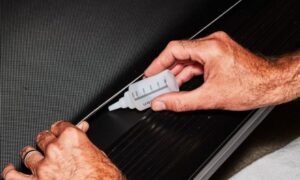
- Squeaky or Squealing Pedals: Loose bolts or dry joints are probable. Tighten the hardware and silicone lubricant.
- Slipping or Jerky Motion: Possibly a loose or worn-out drive belt. Remove the cover and tighten or replace it.
- Resistance Not Working: Most likely issue of resistance motor or power supply. Check cables and batteries, or reset the console.
- Console Will Not Turn On: Inspect power cables and batteries. System restart try. If not, replace the console.
Tired of squeaky fitness class woes? Achieve expert-grade performance without paying an arm and a leg. Hire cardio equipment repair services in your area and leave the guessing to the professionals.
When to Tighten, Lubricate, or Replace
All fixes need not involve replacing parts. Occasionally, just tightening or lubricating would have worked.
This is when to tighten, grease, or replace:
- Tighten: Your machine clanks, rattles, or vibrates? Tighten all joints and bolts.Lubricate: Spray a liberal amount of silicone on joints, pedal arms, and wheels and it will still move smoothly and quietly.
- Replace: Cracked rollers, stretched-out drive belts, or non-responsive electronics usually need to be replaced.
Pro Tip: Never work on or maintain a plugged-in machine.
Take the hassle out of repairs. Connect with an elliptical technician near me and get expert insights for stress-free maintenance.
Tools You’ll Need for Most Elliptical Repairs
You don’t require a professional tool set, but some basic tools can repair most issues.
Keep these on hand:
- Phillips and flathead screwdrivers
- Allen wrenches (most ellipticals already have them)
- Adjustable wrench
- Silicone lubricant
- Soft cloth and mild cleaner
Most user manuals have charts that allow you to figure out what size tool you will require for each part.
Tired of the basics? Call for elliptical repair Newark NJ residents trust when DIY repairs aren’t feasible.
Maintenance Tips to Prevent Costly Repairs
A pound of prevention is equal to an ounce of repairs. A little bit of maintenance can save you a whole lot of time and money.
Make these yours to keep your elliptical in excellent condition:
- Wipe it down: Sweat is corrosive. Clean surfaces after each use.
- Check periodically: Look for loose bolts, worn rollers, and frayed wires monthly.
- Lubricate moving parts: Every few months, as needed.
- Check power source: Inspect cords, batteries, and outlets for proper functioning.
Beat the competition at regular elliptical upkeep and get your cardio equipment purring like new. Scheduled preventive service today.
When to Call a Pro
Occasionally, it’s best to bring in the professionals—particularly when the problem involves cutting-edge electronics, motor breakdown, or back-room cabling.
Here’s when to call:
- Console displays error codes
- Resistance system fails to respond after troubleshooting
- Burning smells or electrical arcing
- Broken parts that are obviously damaged and no longer usable for easy replacement
Suspect? Better safe than sorry.
Fast, reliable assistance at your fingertips? Contact the elliptical repair New Jersey and elliptical repair New York experts that members endorse in the gyms across the region.
Last Thoughts: Maintain Your Elliptical Running Smoothly
Repairing your own elliptical can be gratifying—and cheaper. With some time and the proper tools, you can repair most issues yourself and extend the lifespan of your equipment by years. That said, recognizing when to call in the experts is equally important. Whether you’re dealing with sticky resistance or odd noises, a mix of do-it-yourself fixes and professional tune-ups will make your workouts smooth and hassle-free.
Ready to get in the driver’s seat of your exercise equipment? Require cardio equipment repair services, elliptical repair services, or professional guidance from a seasoned elliptical repair technician—get the assistance you require today.